SendTech Times

#science-tech

Daifuku ties factory expansion and M&A to a bigger bet on semiconductor and logistics automation demand
Chips & SemiconductorsFunding
CAPACITY TEST:

Daifuku ties factory expansion and M&A to a bigger bet on semiconductor and logistics automation demand

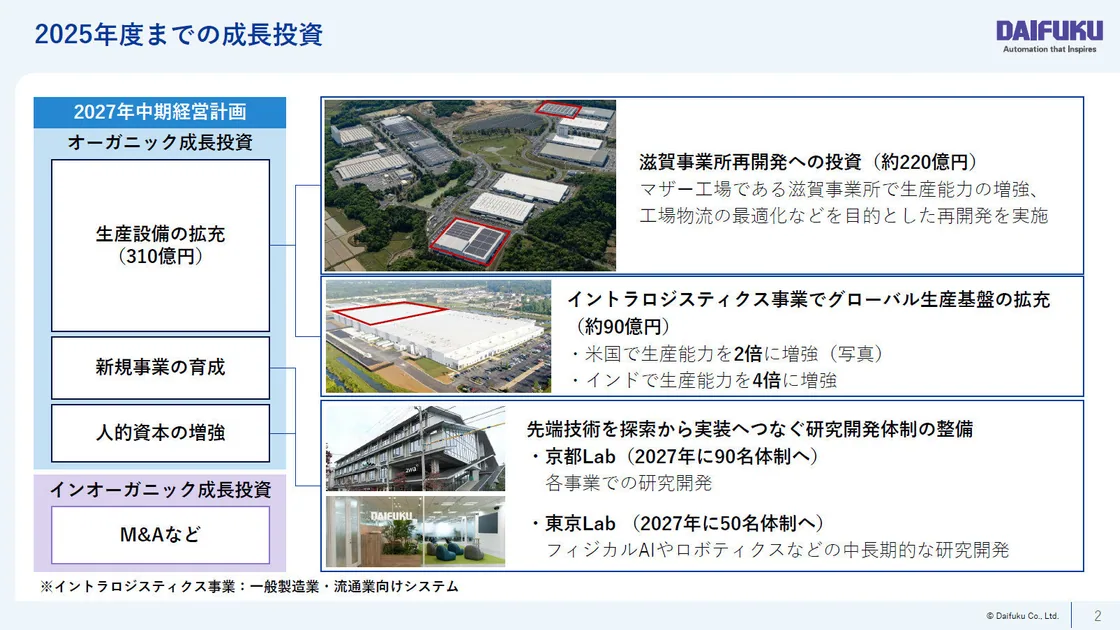
Daifuku used a May 28, 2026 briefing in Tokyo to outline how heavier capital spending and selective acquisitions are meant to support its fiscal 2030 sales target of ¥1 trillion. The plan includes ¥1.6 trillion in investment across fiscal 2024-2027, added capacity in Shiga and Komaki, and the planned acquisition of Germany’s Eisenmann to strengthen its automotive business in Europe. The move matters beyond one company because it signals confidence that chip fabs, cleanroom production and large-scale intralogistics projects will keep demanding more complex material-handling systems and software.

May 30, 2026Read More
Taiwan Visit Highlights How AI Demand Is Pulling Chip Power, Capacity and Pricing Into One Orbit
Chips & SemiconductorsAnalysis
CAPACITY TEST:

Taiwan Visit Highlights How AI Demand Is Pulling Chip Power, Capacity and Pricing Into One Orbit

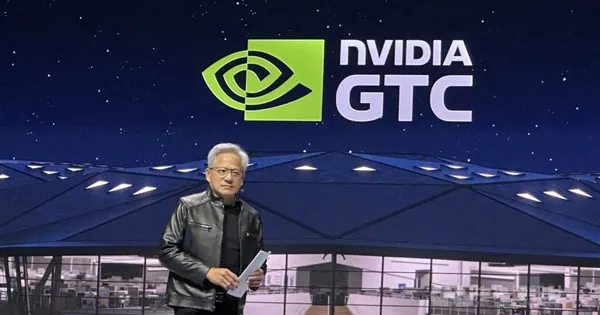
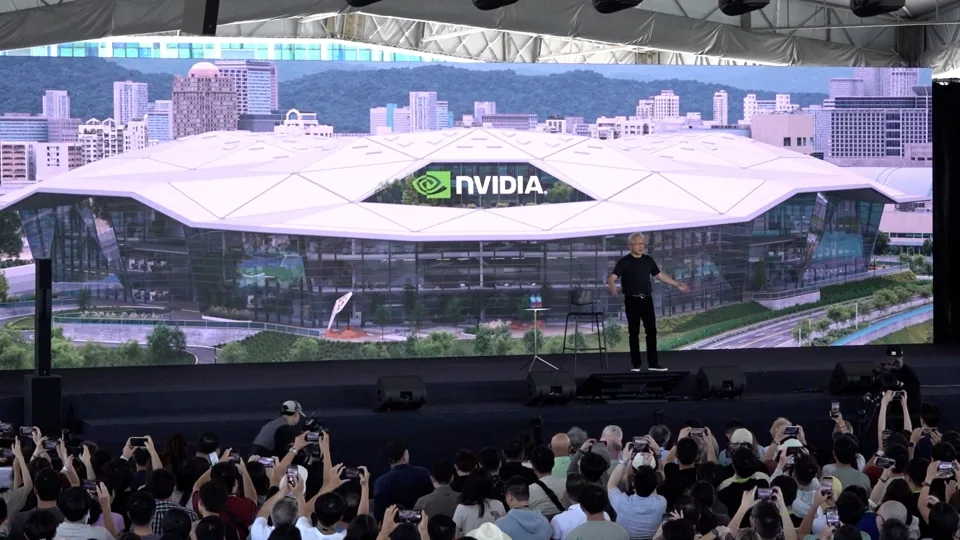
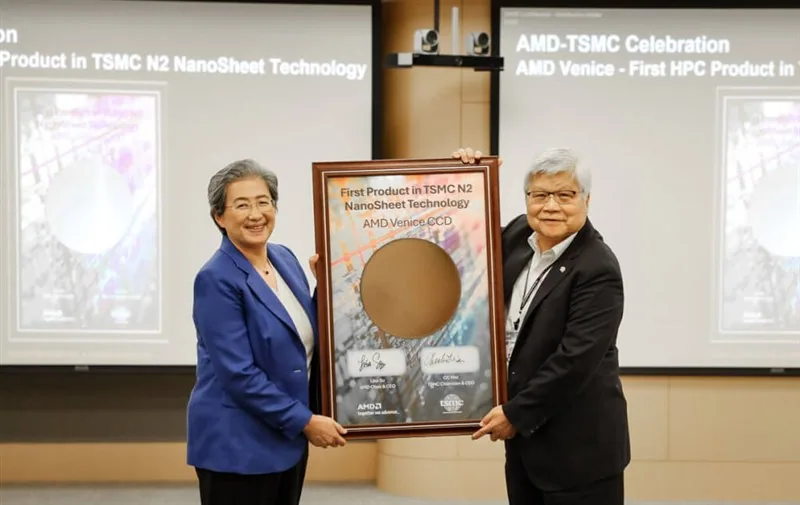
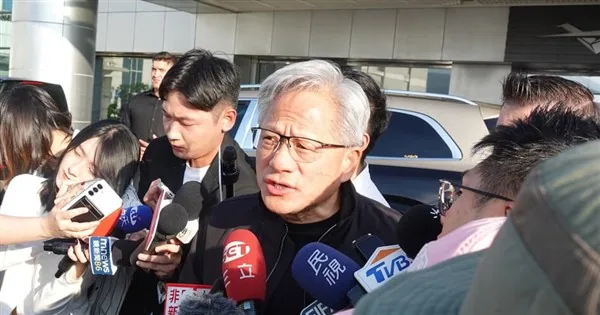
Jensen Huang’s Taiwan visit was centered on partner meetings, a planned discussion with TSMC Chairman C.C. Wei, and Nvidia appearances tied to the Computex cycle. The episode points to a broader market phase in which AI chip demand is increasingly shaped by foundry access, packaging readiness, memory costs and ecosystem coordination. Investors, suppliers and device makers should watch whether Taiwan-related expansion signals translate into concrete capacity, site, and pricing outcomes.

May 30, 2026Read More
Nvidia’s Taipei GTC underscores Taiwan’s rising role in the global AI infrastructure race
Chips & SemiconductorsNews
CAPACITY TEST:

Nvidia’s Taipei GTC underscores Taiwan’s rising role in the global AI infrastructure race

Nvidia will hold GTC Taipei from June 1-4, 2026, for the second consecutive year, alongside COMPUTEX Taipei. Jensen Huang is scheduled to keynote on June 1, with sessions focused on AI infrastructure, agentic AI, reasoning AI, science, robotics, and edge systems. The event matters because it reinforces Taiwan’s importance not just as a hardware supply base, but as a strategic stage for the next phase of AI platform competition.
May 30, 2026Read More
Japan's deep-tech startup Flosfia offers next-gen power chips that allow EVs to travel farther
Chips & SemiconductorsNews
FUNDING GAP:

Japan's deep-tech startup Flosfia offers next-gen power chips that allow EVs to travel farther

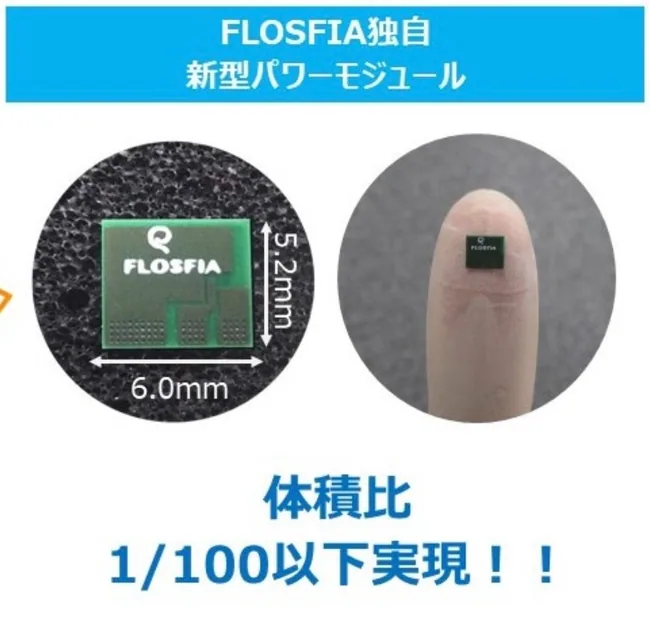
Kyoto University startup Flosfia is developing gallium oxide power semiconductors as an alternative to silicon for devices including electric vehicles. The company says gallium oxide delivers far lower power loss than silicon and silicon carbide, while its mist CVD process can bring production costs close to silicon. Flosfia says its devices have met industry reliability criteria and is preparing for mass production with a target of 1 million units per month.

May 30, 2026Read More
Nvidia ‘likely the most concerned’ as Huawei bets on new chip architecture law
Chips & SemiconductorsNews
CAPACITY TEST:

Nvidia ‘likely the most concerned’ as Huawei bets on new chip architecture law

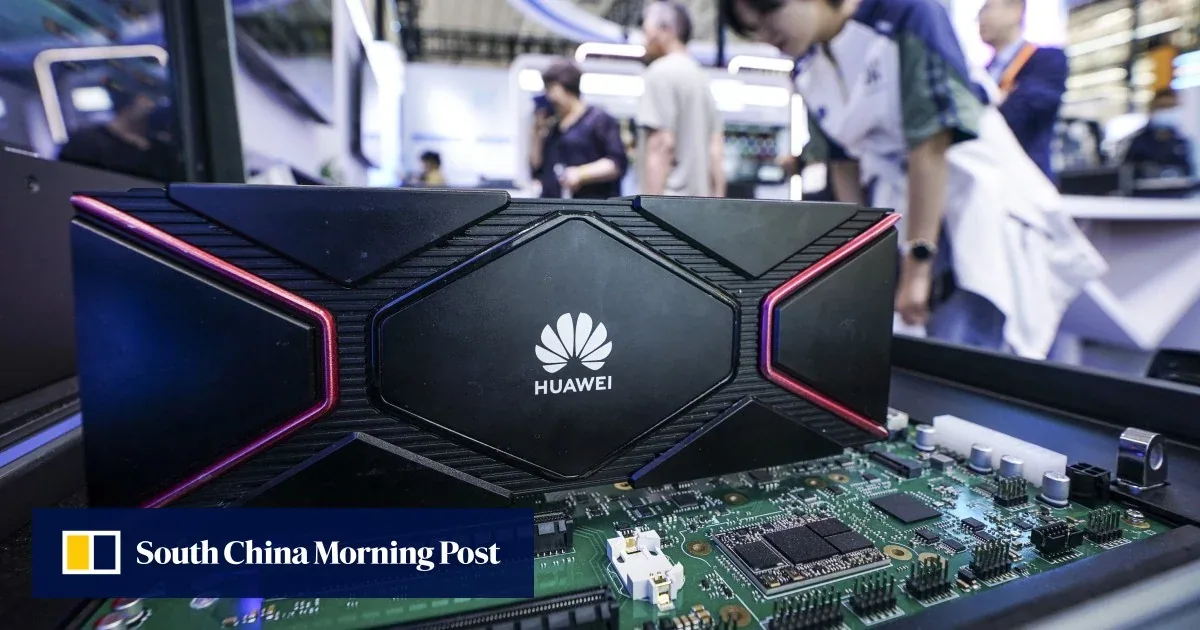
Huawei says its new Tau Scaling Law could support transistor density equivalent to a 1.4-nanometre process in high-end chips by 2031. Analysts said the move could weaken US-led export-control leverage as China pushes semiconductor self-sufficiency under sanctions. Omdia said Nvidia is likely the most concerned, while Chinese state media cast the effort as a technological Long March.

May 30, 2026Read More
Huawei's Tau Law redefines chip scaling with logic folding as the post-Dennard path to 1.4nm
Chips & SemiconductorsNews
CAPACITY TEST:

Huawei's Tau Law redefines chip scaling with logic folding as the post-Dennard path to 1.4nm

Huawei introduced the Tau Scaling Law at ISCAS 2026 in Shanghai as a semiconductor scaling framework built around temporal minimization through logic folding. The company said the approach could deliver transistor densities equivalent to 1.4nm by 2031, offering a path beyond geometric shrinking alone. Huawei also said it has already designed and shipped 381 chips using this architectural approach, with a new Kirin processor set to be the first commercial product with full logic folding technology.

May 30, 2026Read More