Nvidia’s Taipei GTC underscores Taiwan’s rising role in the global AI infrastructure race
Nvidia will hold GTC Taipei from June 1-4, 2026, for the second consecutive year, alongside COMPUTEX Taipei. Jensen Huang is scheduled to keynote on June 1, with sessions focused on AI infrastructure, agentic AI, reasoning AI, science, robotics, and edge systems. The event matters because it reinforces Taiwan’s importance not just as a hardware supply base, but as a strategic stage for the next phase of AI platform competition.
What Happened
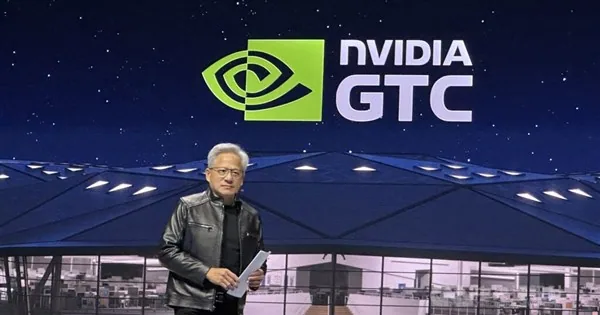
Nvidia will return its GPU Technology Conference to Taipei in June 2026 for the second consecutive year, aligning the event with COMPUTEX Taipei, the annual global computer and technology trade show.
The conference is scheduled for June 1-4 and will take place at the Taipei International Convention Center and other venues across the city.
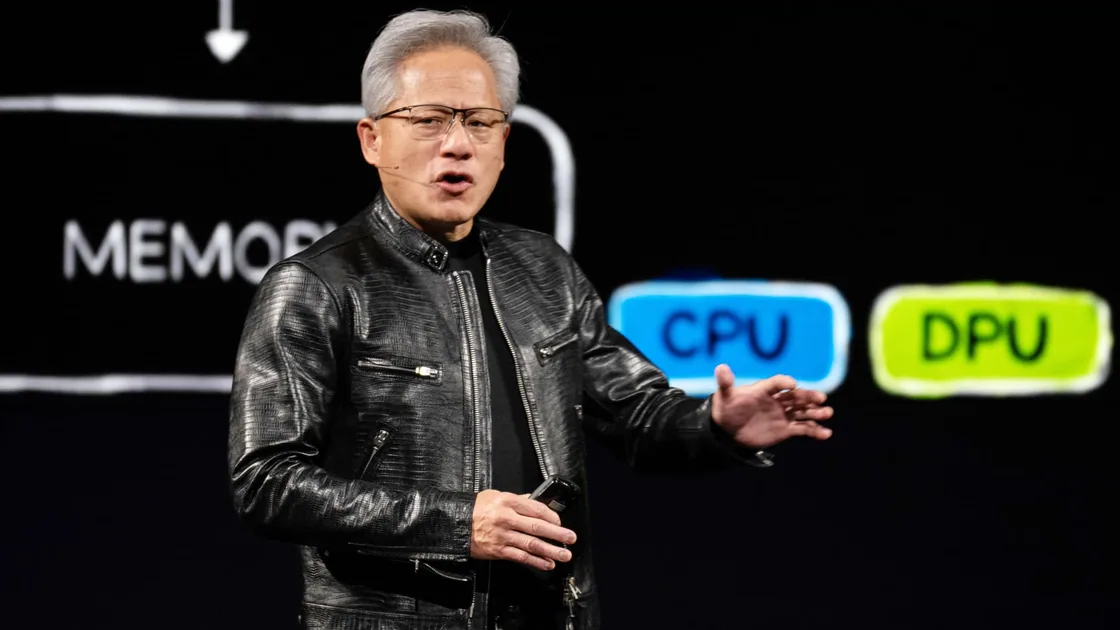
Jensen Huang, Nvidia’s founder and CEO, is set to deliver the opening keynote at 11 a.m. on June 1 at the Taipei Music Center.
Company materials indicate the conference will explore “the next generation of AI,” with programming covering AI factories and scaling infrastructure, agentic AI, reasoning AI, AI for science, physical AI, and robotics.
Nvidia executives including Justin Boitano and Deepu Talla are also scheduled to speak.
COMPUTEX Taipei will run June 2-5, 2026, under the theme “AI Together.”
Why It Matters
This is more than a conference scheduling decision.
Holding GTC Taipei again alongside COMPUTEX suggests Nvidia sees Taiwan as a central convening point for the companies building and commercializing AI systems.
The combination of Nvidia’s developer and infrastructure agenda with COMPUTEX’s broad hardware ecosystem could strengthen Taipei’s role as a meeting ground for chipmakers, server vendors, component suppliers, developers, and enterprise buyers.
The topic mix also signals where Nvidia wants market attention: not only on chips, but on full-stack AI deployment.
References to AI factories, scaling infrastructure, reasoning models, and robotics indicate a push to frame AI as an industrial platform rather than a narrow data-center product category.
If that message lands, it could further shift spending conversations from experimentation toward capacity buildout and operational deployment.
Global Context
GTC began in San Jose in 2009, and the San Jose Convention Center remains its usual venue.
Bringing the event back to Taipei in 2026 highlights how the geography of AI competition increasingly overlaps with the geography of advanced electronics manufacturing and system integration.
In broader industry terms, AI competition is no longer only about model releases.
It also involves control over compute supply, packaging, servers, networking, edge deployment, robotics integration, and developer ecosystems.
Taiwan sits near the center of several of those layers.
In that context, Nvidia’s continued presence in Taipei could help it reinforce ecosystem loyalty at a time when global AI infrastructure competition remains intense.
Industry Impact
For hardware and supply-chain participants, the event could serve as a signal-setting moment for product roadmaps and ecosystem priorities around AI servers, edge systems, and robotics.
For software developers and enterprise IT teams, the conference themes suggest continued emphasis on moving from model access to production-grade deployment, especially where inference efficiency, reasoning workflows, and physical-world automation matter.
For competing AI infrastructure providers, the Taipei event may also function as a visibility contest.
Developer mindshare, partner alignment, and ecosystem messaging can matter nearly as much as raw hardware performance when large buyers decide how to standardize future AI deployments.
What To Watch Next
Investors and industry participants will likely watch Huang’s keynote for any sharper signals on Nvidia’s priorities across data-center scaling, edge AI, robotics, and enterprise deployment.
The practical significance of the event may depend on whether Nvidia uses Taipei to introduce new platform direction, deepen ecosystem ties, or simply amplify themes already outlined elsewhere.
Two other watch points stand out.
First, whether conference messaging translates into concrete partner announcements during the COMPUTEX week.
Second, whether Nvidia provides any clearer indicators on deployment scale or commercial adoption, which were not detailed in the article.
Those metrics would help determine whether the Taipei event is primarily a branding platform or a marker of deeper market execution.
Summary version for Medium
Nvidia’s Taipei GTC underscores Taiwan’s rising role in the global AI infrastructure race
Why Nvidia’s Taipei GTC underscores matter now for cloud infrastructure teams
Quick Summary: Nvidia will hold GTC Taipei from June 1-4, 2026, for the second consecutive year, alongside COMPUTEX Taipei. Jensen Huang is scheduled to keynote on June 1, with sessions focused on AI infrastructure, agentic AI, reasoning AI, science, robotics, and edge systems.
What Happened
Nvidia will return its GPU Technology Conference to Taipei in June 2026 for the second consecutive year, aligning the event with COMPUTEX Taipei, the annual global computer and technology trade show. The conference is scheduled for June 1-4 and will take place at the Taipei International Convention Center and other venues across the city.
Why It Matters
This is more than a conference scheduling decision.
- Point 1: The announcement adds a concrete operating detail that changes how buyers should read the story.
- Point 2: Holding GTC Taipei again alongside COMPUTEX suggests Nvidia sees Taiwan as a central convening point for the companies building and commercializing AI systems.
The important shift is not the AI label, but the operating boundary it creates for teams.
Global Context
GTC began in San Jose in 2009, and the San Jose Convention Center remains its usual venue. Bringing the event back to Taipei in 2026 highlights how the geography of AI competition increasingly overlaps with the geography of advanced electronics manufacturing and system integration.
Read the Full Deep Dive
Want to explore the complete technical analysis, enterprise trade-offs, and detailed metrics?
Read the full article originally published at SendTech Times