Nadella Warns Enterprises Pay Twice For Proprietary AI Models
Microsoft CEO Satya Nadella warned companies using proprietary AI models may pay with both tokens and internal knowledge, according to TechCrunch. Solo.io, Vercel and OpenRouter supplied evidence of interest in on-premise and open models, while customer-level cost savings and security outcomes remain undisclosed.
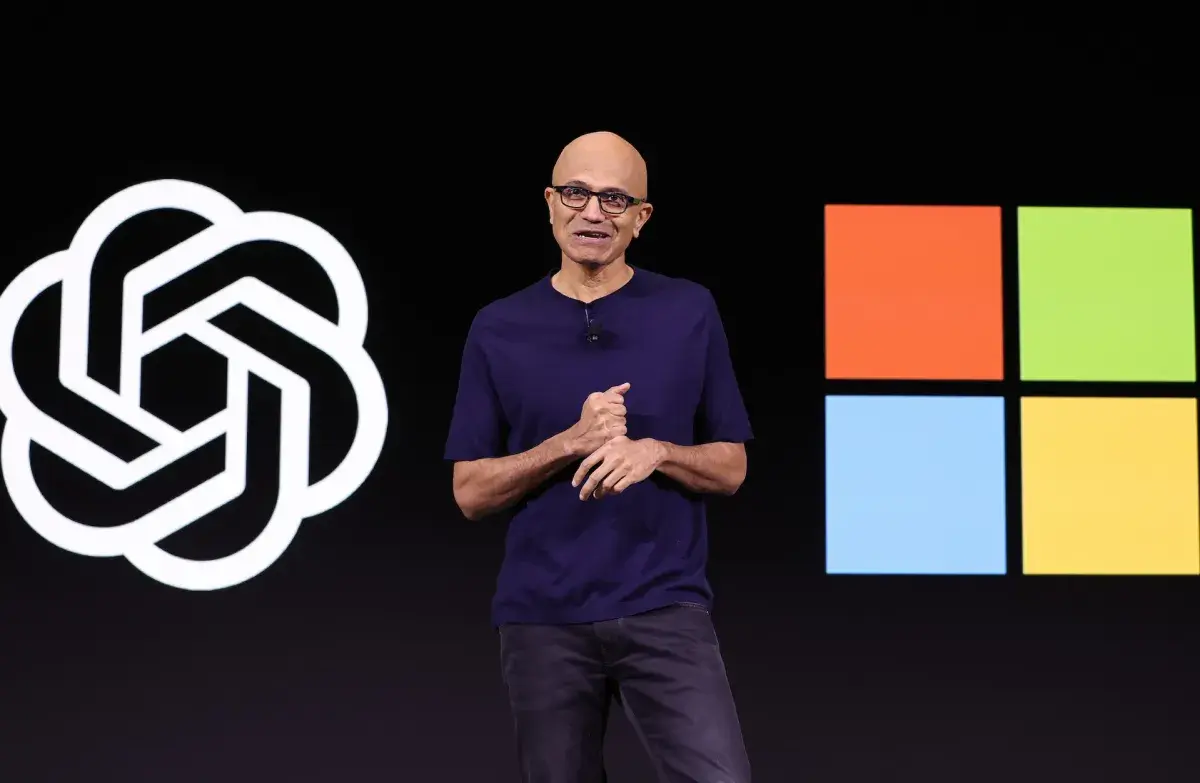
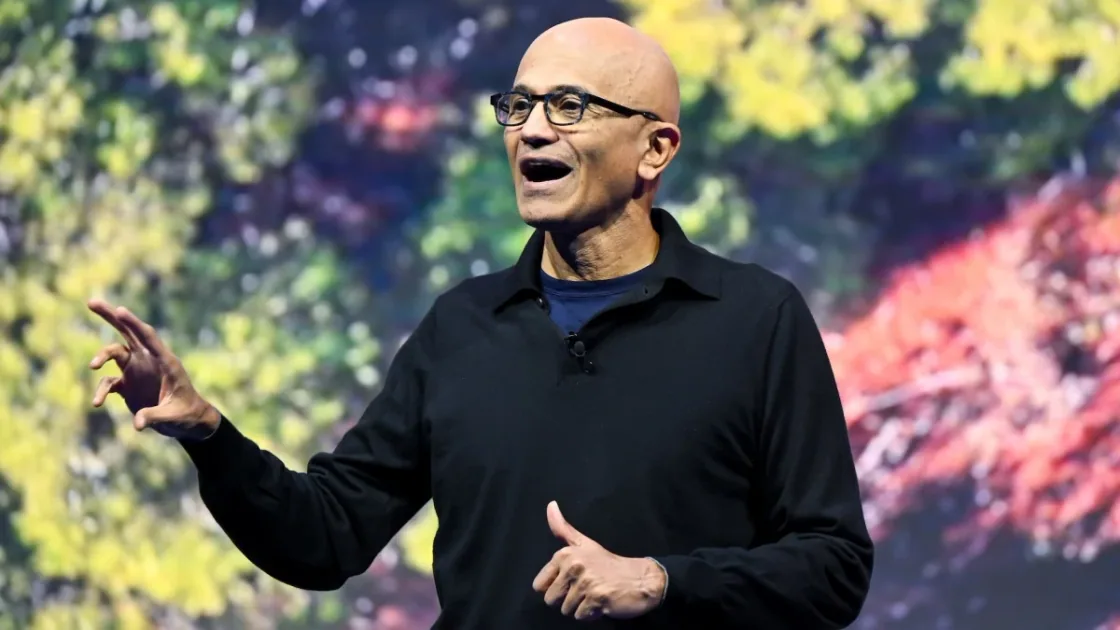
Microsoft chief executive Satya Nadella has warned that companies using proprietary AI models may pay once for tokens and again with the internal knowledge they reveal, according to TechCrunch.
Nadella made the argument in a Sunday blog post.
He wrote that buyers pay for AI token usage while also giving model providers prompts, feedback and business context that can become part of what the systems learn from customer interaction.
Nadella Says Customers Pay With Money And Knowledge
TechCrunch quoted Nadella as writing that users pay for intelligence twice: once with money and again with the proprietary knowledge they must reveal to make that intelligence useful.
He said corrections, prompts and tools used by agents can become institutional know-how.
Nadella's position is aimed at model providers that reserve the right to learn from customer usage and interaction data, according to the report.
His proposed answer is for companies to retain ownership of prompts, feedback and related data through proprietary learning environments and orchestration layers.
Orchestration layers let companies switch between AI models from different providers instead of being locked into one, according to the report.
That approach was linked to AI gateways and to Microsoft Azure as the kind of cloud environment Nadella would naturally favour.
Solo.io Describes Customers Testing On-Premise Open Models
Idit Levine, founder and chief executive of Solo.io, told TechCrunch that some customers move from proprietary model experiments to asking whether they can run open source models on-premise.
Solo.io sells networking and security software for enterprise AI systems.
Levine said those customers ask whether an open model can do almost 90% of what a larger proprietary model does while costing less and remaining under company control.
Solo.io's technology was selected last year to power the Linux Foundation's Agentgateway project, according to the report.
Solo.io counts T-Mobile, ADP and SAP as customers, according to the report.
Levine's evidence was presented as customer-observed demand for control, not as proof that every enterprise workload can move away from proprietary models.
Vercel And OpenRouter Traffic Adds Gateway Evidence
Vercel and OpenRouter are also seeing more traffic routed to open models, according to the report.
Vercel is known for website building and hosting and has added AI model-switching tools, while OpenRouter helps developers route requests across different AI models.
Vercel's gateway sent 29% of last month's routed traffic to open models, according to the report.
The figure was used as gateway-traffic evidence for open-model interest, not as a full measure of enterprise production deployment.
Nadella's comments sit inside a broader argument over whether model makers can train on public data while preventing customers from distilling their models.
The report noted that Anthropic accused Chinese open source models in February of sending millions of prompts to Claude to improve their own models and urged the U.S. government to tighten export controls.
Enterprise AI Savings And Security Outcomes Remain Unnamed
The report gives named evidence for enterprise concern, gateway traffic and on-premise interest, but measured customer outcomes remain outside the public record.
The remaining public-record gaps are customer-level AI cost savings, audited security improvements, model-switching contract terms and production workloads moved from proprietary models to open models.
Summary version for Medium
Nadella Warns Enterprises Pay Twice For Proprietary AI Models
What the announcement means beyond the headline
Quick Summary: Microsoft CEO Satya Nadella warned companies using proprietary AI models may pay with both tokens and internal knowledge, according to TechCrunch. Solo.io, Vercel and OpenRouter supplied evidence of interest in on-premise and open models, while customer-level cost savings and security outcomes remain undisclosed.
Nadella Says Customers Pay With Money And Knowledge
TechCrunch quoted Nadella as writing that users pay for intelligence twice: once with money and again with the proprietary knowledge they must reveal to make that intelligence useful. He said corrections, prompts and tools used by agents can become institutional know-how.
Solo.io Describes Customers Testing On-Premise Open Models
Idit Levine, founder and chief executive of Solo.io, told TechCrunch that some customers move from proprietary model experiments to asking whether they can run open source models on-premise.
- Point 1: The central topic is ai, with the announcement framed around concrete operating detail.
- Point 2: Solo.io sells networking and security software for enterprise AI systems.
The important shift is not the AI label, but the operating boundary it creates for teams.
Vercel And OpenRouter Traffic Adds Gateway Evidence
Vercel and OpenRouter are also seeing more traffic routed to open models, according to the report. Vercel is known for website building and hosting and has added AI model-switching tools, while OpenRouter helps developers route requests across different AI models.
Read the Full Deep Dive
Want to explore the complete technical analysis, enterprise trade-offs, and detailed metrics?
Read the full article originally published at SendTech Times