Microsoft Uses Build 2026 to Push Agents Beyond Copilot
Microsoft used its Build 2026 keynote to introduce MAI models, Project Soltera and Microsoft Scout as part of a broader agent strategy. MAI-Thinking-1 is described as a 35-billion-parameter reasoning model with a 128,000-context window for multi-step instructions, long-context reasoning and code generation. The announcement gives Microsoft a clearer agent roadmap, but the source does not provide customer rollout data, pricing or enterprise adoption evidence.
Microsoft Frames Build Around Agents
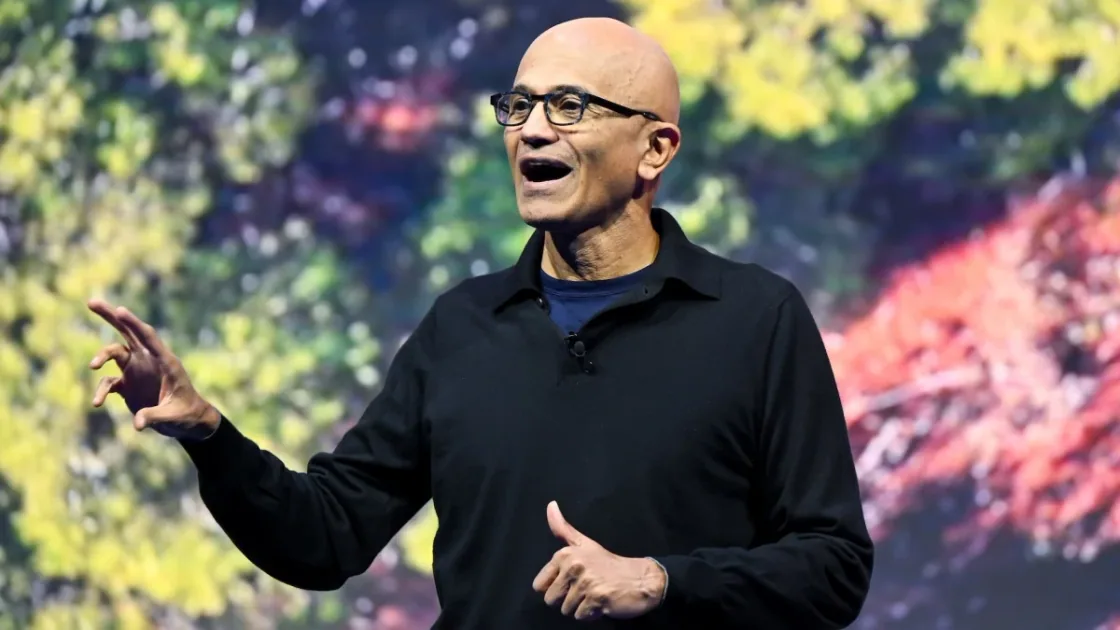
Microsoft used its Build 2026 keynote to push AI agents deeper into its developer and productivity stack, with CEO Satya Nadella presenting new models, an Android-based agent platform and agent-focused hardware concepts.
The central message was that Microsoft wants agents to move beyond a single chatbot interface.
The source names Project Soltera, Microsoft Scout, Autopilots and the MAI model family as the main pieces of that strategy.
That is a broad product direction, but the article does not provide commercial rollout figures, customer adoption data or pricing details.
MAI Models Signal Less Dependence On OpenAI
Nadella introduced MAI-Thinking-1 as Microsoft's first reasoning AI model and part of a new MAI model suite.
The source describes it as a mid-sized 35-billion-parameter model with a 128,000-context window.
Kyle Daigle, Microsoft Developer CMO and COO of GitHub, said the model was designed for complex multi-step instructions, long-context reasoning and code generation.
The MAI line also includes MAI-Image-2.5, MAI-Transcribe-1.5, MAI-Voice-2 and MAI-Code-1.
The models are expected to appear in Microsoft Foundry and products including PowerPoint and OneDrive.
The strategic signal is clear: Microsoft is showing more of its own model layer while still operating inside an ecosystem shaped by OpenAI, developers and enterprise customers.
Project Soltera Moves Agents Toward Devices
Project Soltera is described as an Android-based operating system for running multiple agents in a secure environment.
Microsoft called it a chip-to-cloud platform for an open, multiple-agent world.
Nadella showed two concept devices: a wearable badge using Qualcomm silicon and a desk device for managing agents.
The source does not establish a launch date, price, shipment plan or customer deployment timeline for those devices.
That keeps Soltera in the category of platform direction rather than proven product adoption.
Scout And Autopilots Target Enterprise Workflows
Microsoft Scout is presented as an always-on assistant connected to Microsoft apps such as Outlook and Teams.
The company also described Scout as the first of a new class of customizable agents called Autopilots.
The security argument is the most concrete enterprise claim in the source.
Daigle said agents could execute multi-step workflows locally inside an operating-system-enforced boundary rather than unmanaged user sessions, reducing risk when agents run code, access files or interact with networks.
The practical question is whether that boundary can satisfy enterprise security teams once agents move from keynote demos into live workflows.
Hardware And Quantum Claims Need Execution Proof
Microsoft also used the keynote to tie its agent strategy to hardware.
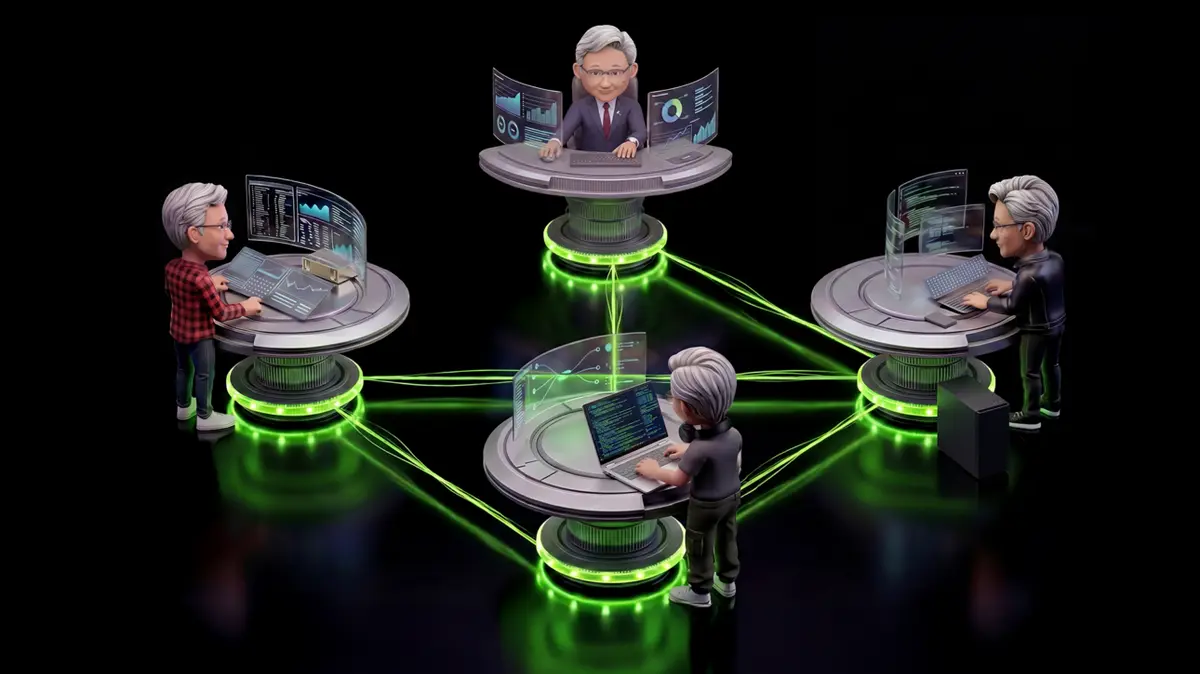
Nvidia CEO Jensen Huang appeared virtually as Microsoft introduced the Surface Ultra, an AI laptop for developers powered by Nvidia RTX Spark.
Nadella also referred to a forthcoming Majorana 2 quantum chip and a goal of building a working quantum computer by 2029.
Those claims extend Microsoft's Build message beyond software.
The source proves that Microsoft is presenting an agent-first roadmap across models, operating systems, devices and developer tools.
It still does not show market adoption, enterprise ROI, shipment scale or whether the new agent stack can reduce the operational risks that have slowed enterprise AI deployment.
Summary version for Medium
Microsoft Uses Build 2026 to Push Agents Beyond Copilot
What the announcement means beyond the headline
Quick Summary: Microsoft used its Build 2026 keynote to introduce MAI models, Project Soltera and Microsoft Scout as part of a broader agent strategy. MAI-Thinking-1 is described as a 35-billion-parameter reasoning model with a 128,000-context window for multi-step instructions, long-context reasoning and code generation.
Microsoft Frames Build Around Agents
Microsoft used its Build 2026 keynote to push AI agents deeper into its developer and productivity stack, with CEO Satya Nadella presenting new models, an Android-based agent platform and agent-focused hardware concepts. The central message was that Microsoft wants agents to move beyond a single chatbot interface.
MAI Models Signal Less Dependence On OpenAI
Nadella introduced MAI-Thinking-1 as Microsoft's first reasoning AI model and part of a new MAI model suite.
- Point 1: The central topic is Microsoft, with the announcement framed around concrete operating detail.
- Point 2: The source describes it as a mid-sized 35-billion-parameter model with a 128,000-context window.
AI deployments now depend on where models, data, approvals and operating teams meet.
Project Soltera Moves Agents Toward Devices
Project Soltera is described as an Android-based operating system for running multiple agents in a secure environment. Microsoft called it a chip-to-cloud platform for an open, multiple-agent world.
Read the Full Deep Dive
Want to explore the complete technical analysis, enterprise trade-offs, and detailed metrics?
Read the full article originally published at SendTech Times