Salesforce opens Headless 360 as AI agents push enterprise software beyond the browser
Salesforce Japan described Headless 360 as a way for external interfaces and AI agents to directly access Salesforce assets through APIs, MCP and CLI tools. The briefing connected Headless 360 with prior Agentforce 360 customer uptake. In Japan, the key test may be whether IT service vendors and partners treat the platform as a preferred toolkit.
What happened
Salesforce is widening its enterprise AI strategy with Headless 360, a solution designed to let outside user interfaces and AI agents connect directly to Salesforce assets instead of relying only on a browser-based experience.
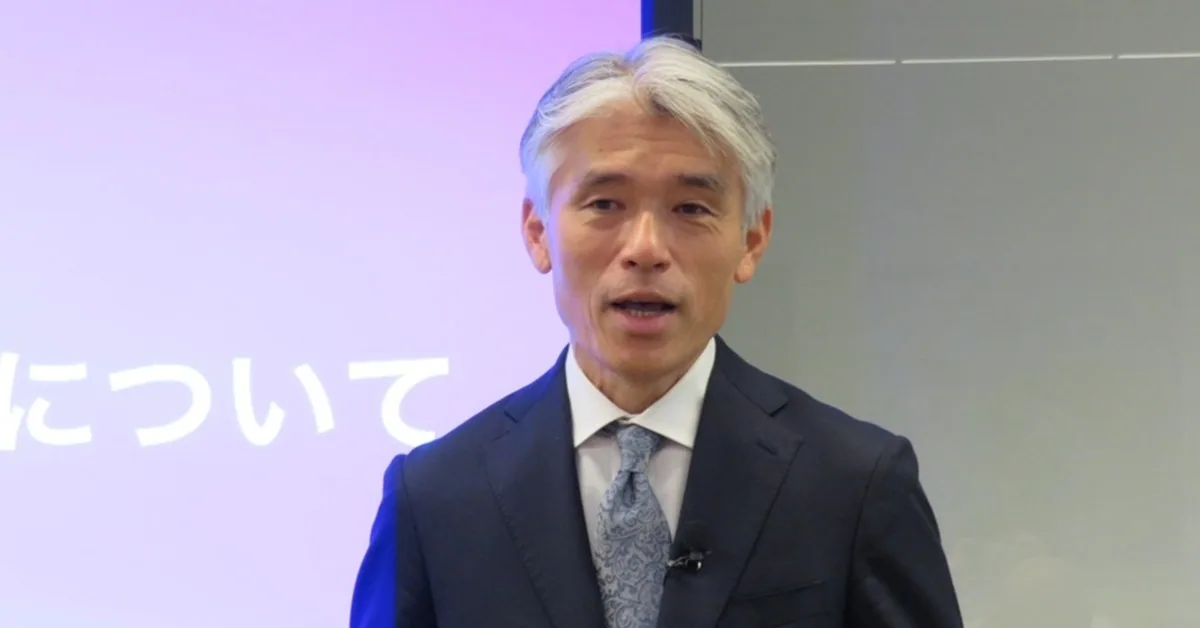
At a May 27, 2026 briefing in Japan, Salesforce Japan executive Atsushi Mito said the announcement was important for the company.
Salesforce used Headless 360 to extend the Agentforce 360 strategy and cited broad enterprise adoption for that earlier platform.
Headless 360 exposes connection environments such as APIs, MCP, or Model Context Protocol, and CLI tools.
These are intended to let external applications and AI agents reach Salesforce data, business logic, workflows, security and governance functions, AI agents, Slack and related services.
Mito listed the available connection set as over 60 MCP-related tools, over 4,000 APIs and over 220 CLI tools.
Why it matters
The signal is that enterprise software may be moving from a browser-centered workflow to a multi-interface environment where AI agents, workplace tools and external applications become direct entry points into core systems.
For Salesforce, Headless 360 appears designed to make those external entry points part of the Salesforce environment rather than a replacement for it.
That could matter for companies trying to deploy AI agents across sales, service, operations and internal knowledge work while keeping governance and workflow controls tied to existing systems.
Who is affected
The immediate audience is large Salesforce customers, enterprise AI teams and system integrators that need to connect AI agents with operational data and business processes.
The Japan angle is important because adoption may depend on IT service vendors and other partner companies that decide which toolkits to support.
What to watch next
Readers should watch whether Headless 360 becomes a widely used management layer for multiple AI agents or remains one integration option among many.
The practical test will be whether partners use these interfaces to build repeatable workflows around Salesforce assets.
A second test is whether customers see the model as a governance layer for agentic work, not just another integration menu.
Summary version for Medium
Salesforce opens Headless 360 as AI agents push enterprise software beyond the browser
What the announcement means beyond the headline
Quick Summary: Salesforce Japan described Headless 360 as a way for external interfaces and AI agents to directly access Salesforce assets through APIs, MCP and CLI tools. The briefing connected Headless 360 with prior Agentforce 360 customer uptake.
What happened
Salesforce is widening its enterprise AI strategy with Headless 360, a solution designed to let outside user interfaces and AI agents connect directly to Salesforce assets instead of relying only on a browser-based experience. At a May 27, 2026 briefing in Japan, Salesforce Japan executive Atsushi Mito said the announcement was important for the company.
Why it matters
The signal is that enterprise software may be moving from a browser-centered workflow to a multi-interface environment where AI agents, workplace tools and external applications become direct entry points into core systems.
- Point 1: The central topic is ai, with the announcement framed around concrete operating detail.
- Point 2: For Salesforce, Headless 360 appears designed to make those external entry points part of the Salesforce environment rather than a replacement for it.
The important shift is not the AI label, but the operating boundary it creates for teams.
Who is affected
The immediate audience is large Salesforce customers, enterprise AI teams and system integrators that need to connect AI agents with operational data and business processes. The Japan angle is important because adoption may depend on IT service vendors and other partner companies that decide which toolkits to support.
Read the Full Deep Dive
Want to explore the complete technical analysis, enterprise trade-offs, and detailed metrics?
Read the full article originally published at SendTech Times