Anthropic Plans Drug Discovery Push Without Trial Or Partner Details
Anthropic says Claude Science will support drug discovery and that its life sciences team will focus on neglected diseases. The company did not identify target diseases, lab partners, clinical-trial plans, manufacturing partners, patient timelines or regulatory milestones.
Anthropic is moving Claude Science from a research workbench towards drug discovery, saying it plans to develop treatments for neglected diseases while leaving the lab, partner and trial path mostly undefined.
The company announced Claude Science at an AI for Science event as an AI workbench for researchers.
Eric Kauderer-Abrams, Anthropic's head of life sciences, said the company will focus on discovering treatments for neglected diseases, but the disclosure did not set out what would happen if Claude-backed research produces promising drug candidates.
Claude Science Adds A Drug-Discovery Ambition
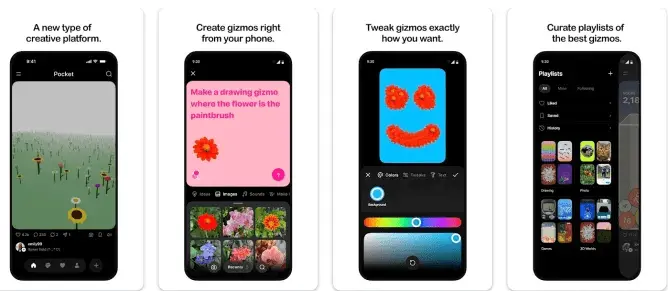
Claude Science is described as a workbench that brings fragmented tools and datasets into one environment and can generate figures and visuals.
The move puts Anthropic beyond selling AI tools to scientists and closer to trying to create drug candidates itself.
For enterprise buyers and research labs, Claude Science is not only a productivity feature.
Anthropic is signalling that it wants its models to participate in scientific workflows where data provenance, human review and regulatory evidence matter more than normal chatbot performance.
The plan is still early.
Anthropic did not identify the first target diseases, lab-work partners, animal-testing partners, clinical-trial plans, manufacturing partners or the path for moving any software-assisted candidate into regulated development.
Experts Separate AI Research From Approved Drugs
Namshik Han, a University of Cambridge professor and co-founder of AI biotech startup CardiaTec, said AI drug discovery is a broad term covering compound discovery, optimisation, research support, data analysis, clinical trials and manufacturing.
He said AI is applied at every stage of drug discovery, but that description does not make every use equally close to patients.
Han also pointed to pharma interest from AstraZeneca, Novo Nordisk and GSK.
Han said AI can help generate possible drug ideas, including molecules that may interact with known disease targets.
Matthew Todd, a University College London professor, said AI can speed research and help test new drug ideas.
The expert caution also limits the commercial reading of Anthropic's announcement.
A drug-discovery claim can refer to early idea generation, target selection, molecule design, trial support or manufacturing analysis.
Anthropic has not selected one of those roles as its final business model in the disclosed plan.
Wet Labs And Hiring Do Not Remove Clinical Risk
Todd said the field remains far from an AI-designed drug approved by regulators for human use.
He also said drug discovery would not run autonomously because human input and supervision remain necessary throughout the process.
Frank von Delft, an Oxford structural chemical biology professor at the Oxford Centre for Medicines Discovery, said AI models have not come close to making experiments unnecessary.
Drug candidates still need real-world testing for efficacy, toxicity and practical properties.
The work also carries a data constraint.
Han and Todd both pointed to the lack of publicly available, high-quality experimental data, including information on how chemicals behave in the body, as a possible brake on AI drug-development efforts.
Claude Science can organise tools and data, but Anthropic has not shown control of the missing experimental evidence.
Anthropic has been hiring biologists and building wet labs, and the company has live applications for life sciences roles.
Han said Anthropic has also been actively recruiting in the field.
The hiring activity shows Anthropic is preparing to do more than sell a software interface, but it still leaves open whether the company will own discovery, license candidates, or hand work to pharmaceutical partners.
Anthropic did not disclose target diseases, lab partners, clinical-trial plans, manufacturing partners, patient timelines, regulatory milestones, candidate ownership terms or evidence that any Claude Science output has entered animal or human testing.
Summary version for Medium
Anthropic Plans Drug Discovery Push Without Trial Or Partner Details
What the policy signal means for operators and investors
Quick Summary: Anthropic says Claude Science will support drug discovery and that its life sciences team will focus on neglected diseases. The company did not identify target diseases, lab partners, clinical-trial plans, manufacturing partners, patient timelines or regulatory milestones.
Claude Science Adds A Drug-Discovery Ambition
Claude Science is described as a workbench that brings fragmented tools and datasets into one environment and can generate figures and visuals. The move puts Anthropic beyond selling AI tools to scientists and closer to trying to create drug candidates itself.
Experts Separate AI Research From Approved Drugs
Namshik Han, a University of Cambridge professor and co-founder of AI biotech startup CardiaTec, said AI drug discovery is a broad term covering compound discovery, optimisation, research support, data analysis, clinical trials and manufacturing.
- Point 1: The central topic is capital-policy, with the announcement framed around concrete operating detail.
- Point 2: He said AI is applied at every stage of drug discovery, but that description does not make every use equally close to patients.
The important shift is not the AI label, but the operating boundary it creates for teams.
Wet Labs And Hiring Do Not Remove Clinical Risk
Todd said the field remains far from an AI-designed drug approved by regulators for human use. He also said drug discovery would not run autonomously because human input and supervision remain necessary throughout the process.
Read the Full Deep Dive
Want to explore the complete technical analysis, enterprise trade-offs, and detailed metrics?
Read the full article originally published at SendTech Times