World Cup Trading Gives Prediction Markets A $31 Billion Stress Test
Dune Analytics data cited for Kalshi showed more than $31 billion in June notional volume, while Bank of America put Rothera at $2 billion. The surge gives regulators and institutions a live test of event-contract market capacity.
Prediction-market platforms entered the World Cup with record trading volumes and a live market-structure test for event contracts that are already drawing regulatory and institutional scrutiny.
User-collected Dune Analytics data cited for Kalshi showed more than $31 billion in notional volume in June, up more than 70% from May's $17.9 billion total.
The same data showed Kalshi handling more than $1 billion in daily volume since the football tournament began on June 11.
Kalshi And Polymarket Volumes Rose During June
CNBC's cited platform data put Polymarket's international event-contract exchange above $10.8 billion in June notional volume and its US platform above $3.5 billion, compared with $1.77 billion in May for the US platform.
The tournament also concentrated trading around single outcomes.
Markets on whether the U.S. would win the tournament drew more than $64 million on Kalshi and $122 million on Polymarket, while the cited platform odds stood at 4.3% and 3%, respectively.
Open interest also rose.
The cited data put Kalshi open interest above $1 billion and Polymarket open interest just under $400 million, a measure of active contracts that had not yet settled.
Robinhood-Linked Rothera Took 7% Of U.S. Volume
Rothera, the prediction-market platform formed by Susquehanna International Group and Robinhood, debuted in June as Robinhood routed certain World Cup contracts from its brokerage to the venue.
Bank of America put Rothera's June notional trading volume at $2 billion and said the platform accounted for 7% of U.S. prediction-market volume.
That made the tournament an early liquidity test for a new venue tied to a major consumer brokerage.
Platforms also used the event for user acquisition.
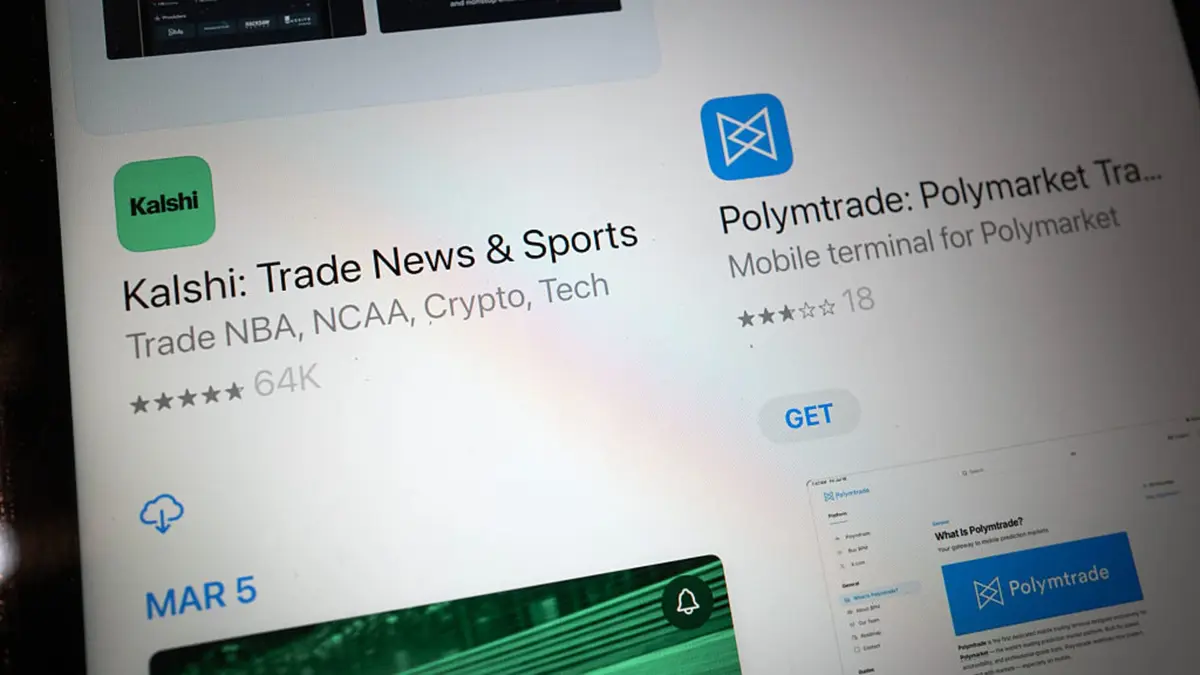
Polymarket launched a competition promising up to $2 million for a perfect World Cup knockout-round bracket, while Kalshi promoted World Cup trading in the title of its mobile app listing.
Regulators And Institutions Watch Market Integrity
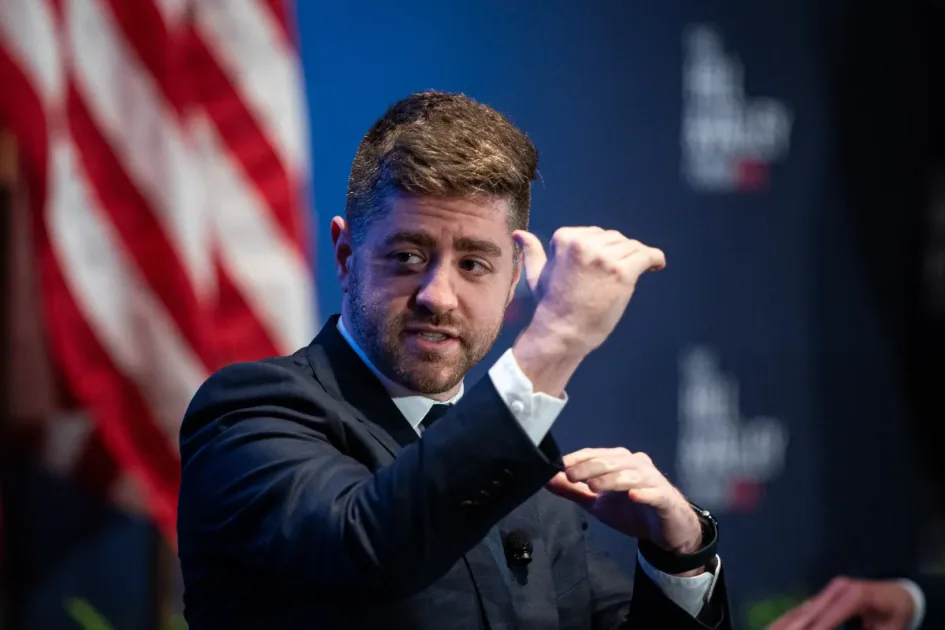
Asaf Meir, chief executive of Solidus Labs, said the World Cup had become a pressure test for whether prediction markets can maintain a level playing field through a sustained high-volume period.
Solidus Labs is a market-integrity company with a partnership with Kalshi.
Event contracts now sit between brokerage infrastructure, exchange liquidity and gambling-style sports demand.
The cited figures show volume, but they do not prove market quality, customer outcomes or regulatory acceptance.
CNBC disclosed that it has a commercial relationship with Kalshi, including customer acquisition and a minority investment.
The available figures did not disclose audited market-surveillance results, customer-level loss data, regulatory findings or settlement-failure rates from the World Cup contracts.
Summary version for Medium
World Cup Trading Gives Prediction Markets A $31 Billion Stress Test
What the move signals for regulated finance and digital payments
Quick Summary: Dune Analytics data cited for Kalshi showed more than $31 billion in June notional volume, while Bank of America put Rothera at $2 billion. The surge gives regulators and institutions a live test of event-contract market capacity.
Kalshi And Polymarket Volumes Rose During June
CNBC's cited platform data put Polymarket's international event-contract exchange above $10.8 billion in June notional volume and its US platform above $3.5 billion, compared with $1.77 billion in May for the US platform. The tournament also concentrated trading around single outcomes.
Robinhood-Linked Rothera Took 7% Of U.S. Volume
Rothera, the prediction-market platform formed by Susquehanna International Group and Robinhood, debuted in June as Robinhood routed certain World Cup contracts from its brokerage to the venue.
- Point 1: The central topic is fintech-digital-payments, with the announcement framed around concrete operating detail.
- Point 2: Bank of America put Rothera's June notional trading volume at $2 billion and said the platform accounted for 7% of U.S.
The useful takeaway is the operating constraint behind the announcement, not the announcement alone.
Regulators And Institutions Watch Market Integrity
Asaf Meir, chief executive of Solidus Labs, said the World Cup had become a pressure test for whether prediction markets can maintain a level playing field through a sustained high-volume period. Solidus Labs is a market-integrity company with a partnership with Kalshi.
Read the Full Deep Dive
Want to explore the complete technical analysis, enterprise trade-offs, and detailed metrics?
Read the full article originally published at SendTech Times