Dubai Rents Cool As 18,200 New Homes Shift Negotiating Power
Dubai rents fell 1.1 per cent in the three months to May 2026 as nearly 18,200 delivered homes eased the supply squeeze that had supported rapid increases since late 2021.
Dubai Rent Growth Loses Momentum
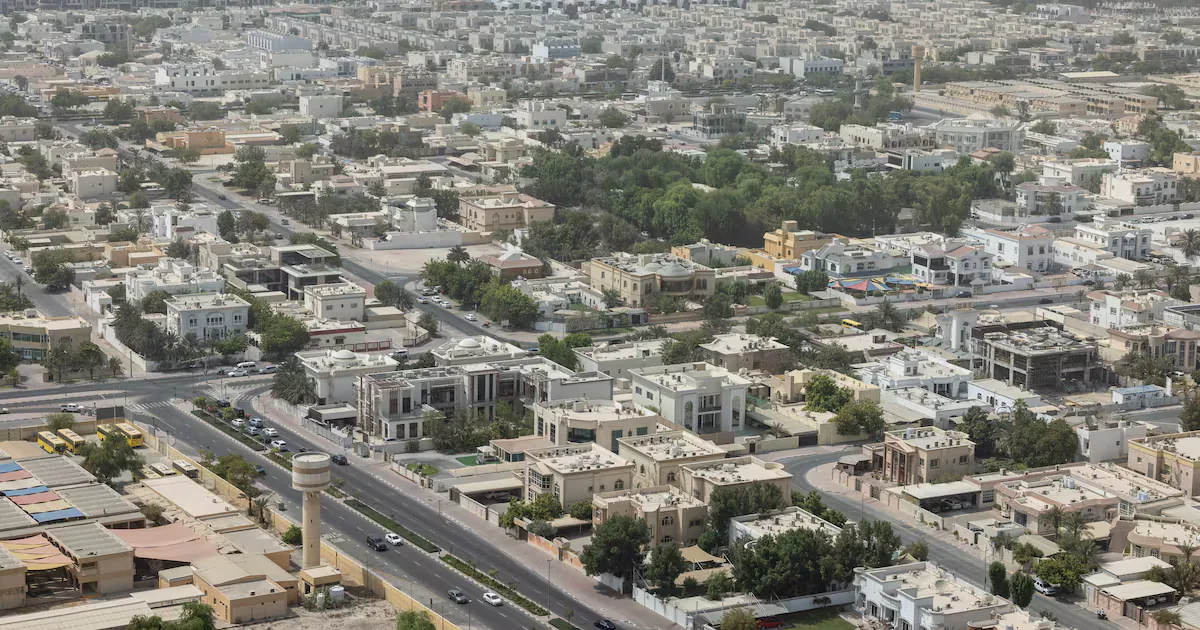
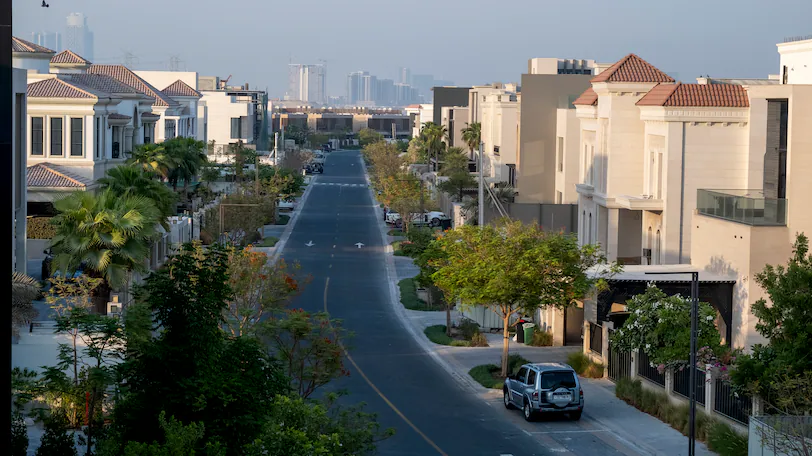
Dubai's rental market is cooling after several years of sharp increases, with new housing supply giving tenants more room to negotiate renewals and payment terms.
Cavendish Maxwell recorded a 1.1 per cent average rental decline across the three months ending in May 2026.
Apartments declined 0.9 per cent, while villas and townhouses fell 2.1 per cent.
Rents still edged 0.4 per cent higher between April and May, so the data points to a gradual correction rather than a sudden reversal.
The market remains far above its pandemic-era base.
Rents are nearly 9 per cent higher than a year earlier and more than 44 per cent above May 2020 levels.
That gap explains why a modest quarterly fall matters for households and landlords: the market is not cheap, but annual rent increases are no longer automatic.
New Supply Changes Renewal Talks
Developers have delivered almost 18,200 units in the current year.
That volume is 13.1 per cent above the comparable 2025 period, easing the demand-supply imbalance that pushed rents higher from late 2021.
Ali Siddiqui, research manager at Cavendish Maxwell, said tenants should have more choices and stronger bargaining power than in recent years.
Landlords may also find that near-automatic annual rent increases are drawing to a close in the near term.
The shift is already appearing in renewal talks.
One tenant whose contract expires in September is seeking a small reduction or a move from two cheques to four, citing higher living costs and weaker work conditions.
Another tenant paying Dh50,000 a year in Production City renewed without a cut after the landlord refused a reduction request.
Those examples show that the cooling market is not producing uniform relief.
Negotiating power depends on building, landlord, payment schedule and whether comparable listings give tenants a credible alternative.
Prime Areas Remain Tighter
The luxury segment remains more insulated.
In prime locations, demand from wealthy buyers and corporate executives continues to run ahead of supply, keeping pressure on the upper end of the market even as broader rents soften.
For investors, the sharper issue is rental yield rather than headline rent growth.
More delivered units can reduce vacancy pressure for tenants, but it can also force landlords to compete on payment terms, fit-out quality and renewal pricing.
The tenant examples show why the data has uneven effects.
A renter with comparable listings in the same building may push for a lower rent or more cheques.
Another renter can still be refused if the landlord sees no need to adjust.
The RERA smart rental index provides a formal reference point, but current listings and payment flexibility are becoming part of the negotiation.
Dubai's rental market now has nearly 18,200 newly delivered homes this year, a 1.1 per cent quarterly rent decline and rents still more than 44 per cent above May 2020.
The unresolved market evidence is how much of the new supply reaches mid-market tenants rather than leaving prime districts insulated from the correction.