OpenAI And Anthropic Face Enterprise AI Spending Controls Before IPO Push
Companies are tightening AI budgets as Lindy moved 100% of its traffic from Claude to DeepSeek and Uber added spending tiers after exhausting its annual AI budget in four months.
Enterprise AI Buyers Start Cutting Token Bills
OpenAI and Anthropic are facing a different enterprise AI market as customers move from unrestricted model use toward budget controls, cheaper models and closer return-on-investment checks.
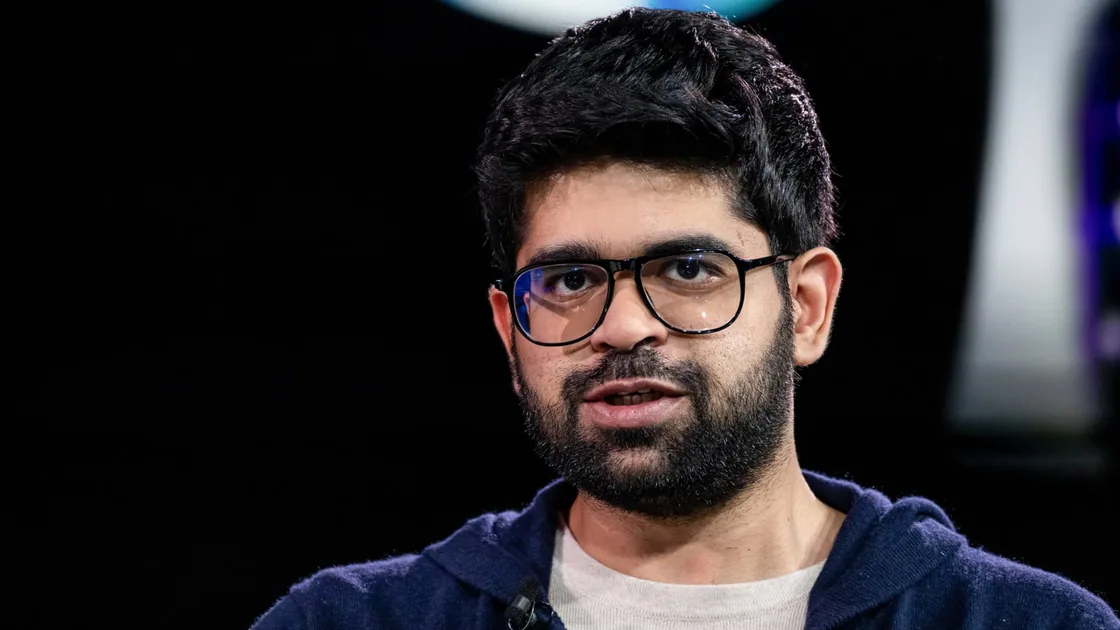
Lindy chief executive Flo Crivello said his startup moved 100% of its traffic away from Anthropic's Claude models to DeepSeek to bring costs down.
He said the switch should save Lindy millions of dollars within months, even though the roughly 25-person company still expects to spend more on AI than payroll.
The pressure is not limited to startups.
Uber introduced spending tiers for some AI tools, beginning with a $1,500 per month base level, after its chief technology officer said the company used its entire annual AI budget in four months.
The shift cuts against the earlier phase of enterprise adoption, when companies encouraged developers to use as much AI as possible.
AI-assisted coding pushed token consumption higher as teams generated tools and services that once required larger groups of engineers.
Model Providers Meet Budget Governance
OpenAI and Anthropic benefited most from that spending surge.
CNBC reported that both companies have been preparing for potential public offerings after filing confidentially in early June, with valuations approaching $1 trillion.
The growth figures remain large.
In May, Anthropic put its annualized run rate at $47 billion, compared with about $10 billion in revenue for last year.
OpenAI's run rate was closer to $25 billion earlier this year, compared with $13.1 billion in 2025 revenue.
Gil Luria of D.A.
Davidson said current growth rates for OpenAI and Anthropic are likely the fastest they will ever be because large enterprise customers may begin limiting uncontrolled token spending.
Anthropic declined to comment, and OpenAI did not respond to CNBC's request.
Enterprise vendors are already responding to the budget problem.
OpenAI launched analytics and updated controls that let administrators break down credit spend, set usage limits and show employees available budgets.
Anthropic has also rolled out controls for provisioning users, viewing analytics and setting spending limits at organization and individual levels.
Cheaper Models Change The Buying Test
Model routing is becoming part of the answer.
The technique matches tasks to cheaper or more capable models depending on the work.
Glean chief executive Arvind Jain said roughly 95% of enterprise AI usage still runs on frontier models, a pattern Darren Kimura of AISquared said will be untenable for most companies over time.
Highspring president Jeff Henry said some clients are pulling back until they can prove ROI, while others are waiting another 12 to 18 months before making large spending decisions.
The pullback does not mean AI adoption is ending; it means finance teams are demanding clearer controls before usage scales further.
Microsoft, Amazon and Google add another layer of pressure because they own more of the infrastructure stack.
Amazon's Peter DeSantis said the company hopes to challenge the frontier models from OpenAI and Anthropic in the coming year and has pointed to in-house chips as a way to lower model-development costs.
Google highlighted Gemini 3.5 Flash as a lower-cost option, with pricing described as half or close to one-third of comparable frontier models in some cases.
The unresolved enterprise issue is whether OpenAI and Anthropic can keep revenue growth high while customers route routine tasks to cheaper models, cap employee usage and demand proof that AI spending improves business results.