Qualcomm Wins Meta CPU Agreement, But Production Waits Until 2028
Qualcomm Technologies will supply data center CPUs for Meta under a multi-generation agreement, with the first Dragonfly C1000 production scheduled for the second half of 2028 and capacity terms still undisclosed.
Meta Adds Qualcomm To Its Server CPU Roadmap
Qualcomm Technologies has reached a multi-generation agreement to supply data center CPUs for Meta, giving the mobile-chip group a named hyperscale customer for its return to server processors.
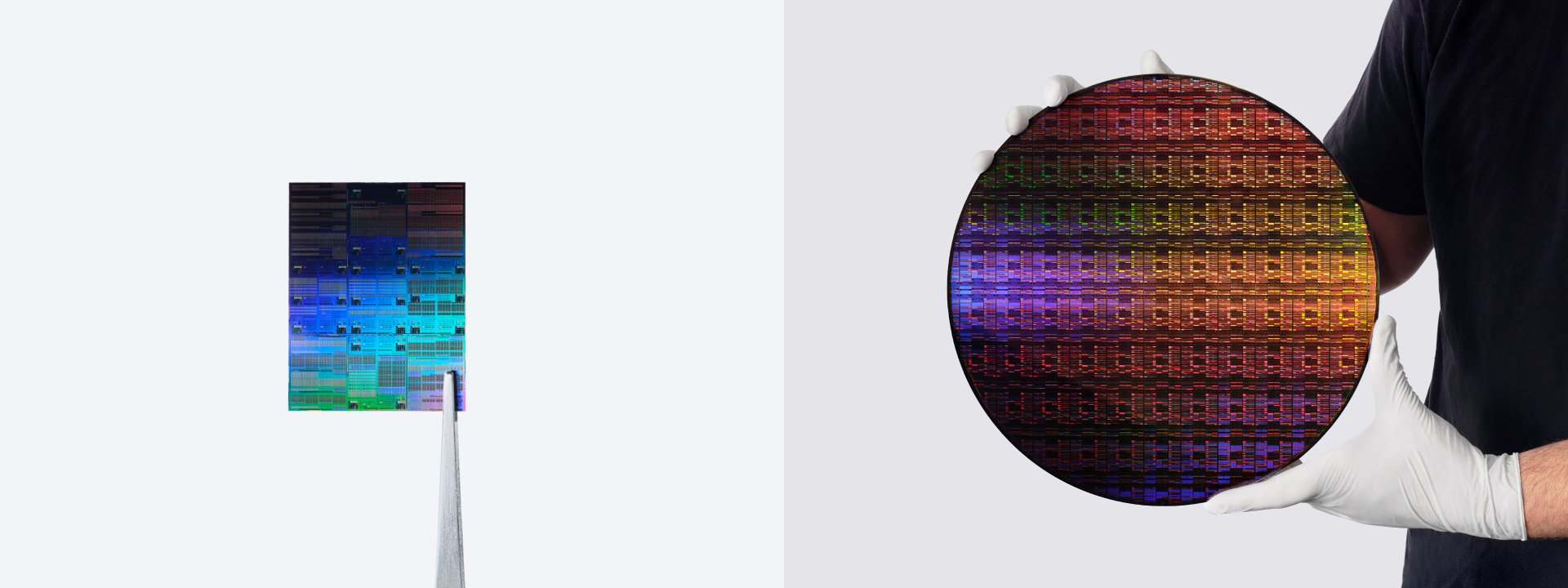
The agreement centers on Qualcomm's first-generation Dragonfly C1000 CPU.
Qualcomm said production is scheduled to start in the second half of 2028, and the chip is planned for Meta's next-generation server fleet and later data center capacity expansions.
The deal puts Qualcomm in a long-cycle infrastructure market where buyers care about power efficiency, system cost and supply continuity as much as peak performance.
Qualcomm described the Dragonfly platform as combining compute, connectivity and system-level optimization to improve performance per watt and reduce total cost of ownership at scale.
Meta's role gives the announcement more weight than a general product roadmap.
Mark Zuckerberg, Meta's founder and chief executive, said the companies are continuing a partnership as Qualcomm designs a new generation of CPUs for Meta.
He linked the work to Meta's wider infrastructure buildout for personal superintelligence.
Qualcomm said the arrangement makes Qualcomm Technologies a supplier for Meta, but did not describe a sole-source arrangement.
Production Timing Leaves A Two-Year Gap
The clearest operating constraint is timing.
Qualcomm did not say the Dragonfly C1000 is shipping now.
The first production window is the second half of 2028, which leaves Meta dependent on existing compute suppliers while Qualcomm moves the server CPU from agreement to volume manufacturing.
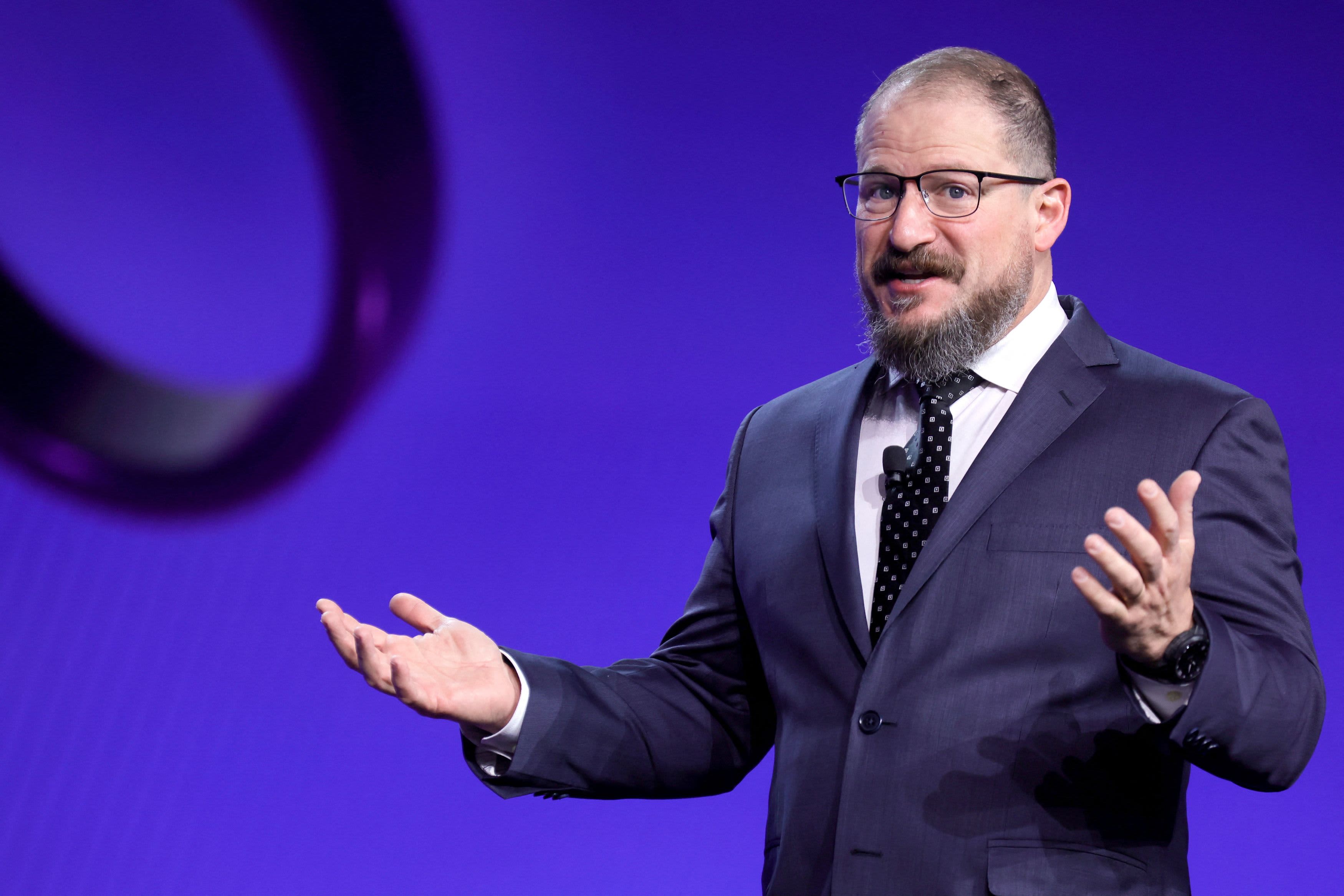
Cristiano Amon, Qualcomm's president and chief executive, said the data center CPU was designed for leading per-core performance and a breakthrough in power efficiency for large-scale deployments.
Those remain company claims until customers can compare deployed systems, workloads and operating costs.
The announcement also does not disclose order volumes, contract value, server counts, rack-level specifications, manufacturing partners, power targets or the share of Meta's future server fleet that could use Qualcomm CPUs.
It describes Qualcomm as a supplier, not as Meta's exclusive data center CPU provider.
For Meta, the agreement adds another custom infrastructure option as AI workloads push large platforms to diversify silicon supply.
For Qualcomm, it opens a path back into data center compute with a buyer that can test whether Arm-based server CPUs can meet hyperscale power and cost targets.
Dragonfly Still Needs Deployment Proof
Qualcomm framed the agreement as an expansion of its partnership with Meta from devices to data centers.
The company also said its broader business spans AI, high-performance low-power computing and connectivity across personal devices and large-scale infrastructure.
That range is useful for Qualcomm's pitch, but the server market will judge the Dragonfly C1000 on deployment evidence.
Meta has not disclosed which workloads will use the CPUs, whether the chips will sit beside accelerators in AI clusters, or how the servers will compare with existing x86 and Arm alternatives in production.
The agreement therefore changes Qualcomm's data center story from product ambition to a named customer roadmap.
The remaining proof is narrower: Qualcomm must reach the second half of 2028 production window, and Meta still has to show where Dragonfly C1000 servers fit inside its next server fleet.