Perplexity’s 2028 IPO Plan Puts AI Search On The Mega-Listing Watchlist
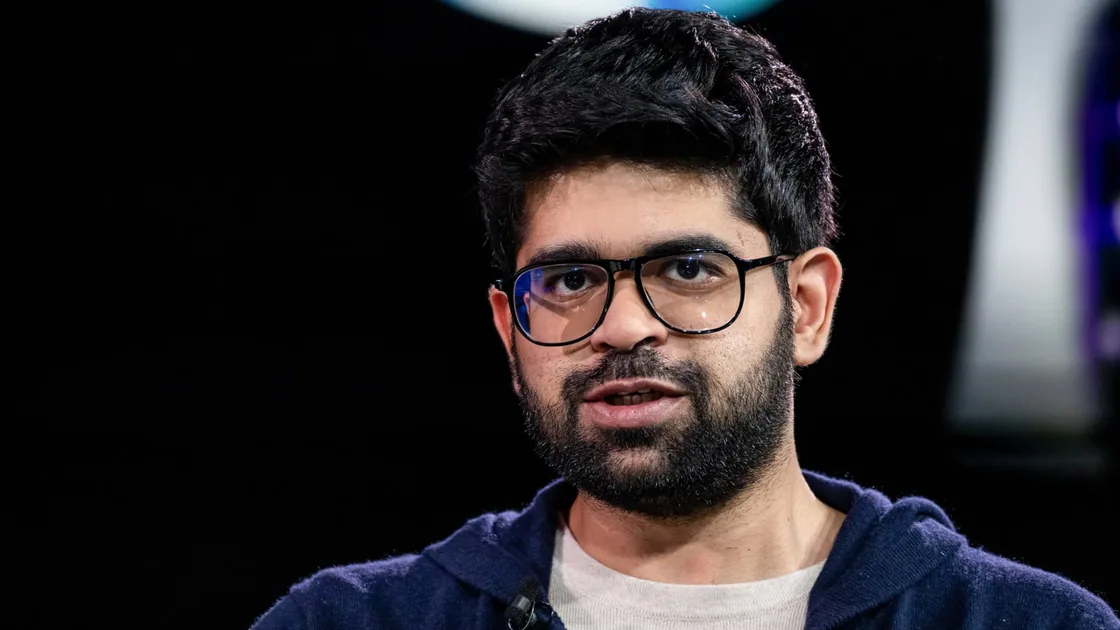
Perplexity CEO Aravind Srinivas said the AI search company is still planning a 2028 IPO as Anthropic, OpenAI and SpaceX prepare large listings that could reset AI valuation expectations.
Perplexity Sets A 2028 Public-Market Clock
Perplexity CEO Aravind Srinivas said the AI search company is still planning an initial public offering in 2028, keeping that timetable separate from how investors receive other large AI listings.
The statement gives Perplexity a clearer public-market horizon while Anthropic, OpenAI and SpaceX move into the same valuation conversation.
Srinivas has previously said Perplexity had no plan to go public before 2028.
His latest comments make the date more concrete because they came as Anthropic confidentially filed for an IPO last week and OpenAI confidentially filed on Monday.
Anthropic was last valued at nearly $1 trillion.
SpaceX is also expected to be part of this week’s large-listing wave, creating a fresh test of investor demand for richly valued private technology companies.
AI Search Faces A Different Valuation Test
Perplexity is not presented as a frontier model lab in the same way as Anthropic and OpenAI.
Its product uses models from multiple companies and decides which model best fits a user’s task.
That makes its prospective IPO a test of the AI application layer: whether investors will value a search product built around model choice, cost control and user trust.
Srinivas said weak outcomes for the largest listings could create ripple effects, and he described SpaceX as a leading indicator for how Anthropic or OpenAI may go out.
He also said Anthropic and OpenAI deserve high valuations because they are on the frontier, while warning that a six-month stretch without model capability progress would become a problem for them.
Cost Discipline Becomes Part Of The Product Story
Enterprise AI spending is a central part of the setup.
The source material says OpenAI CEO Sam Altman has discussed how much companies are spending on AI and described costs as a huge issue.
Perplexity’s answer is routing work across models rather than automatically using the most expensive frontier option.
Srinivas said that if an open source model can complete a job 90% of the time, he would probably use it when it is 10 to 20 times cheaper than a frontier model.
That claim does not prove Perplexity’s economics, and the source does not provide revenue, margin, customer-count or usage figures.
It does show the company’s intended public-market argument: AI search can be evaluated not only on model capability, but also on whether the product chooses the right model for the task at an acceptable cost.
The next watchpoint is the performance of SpaceX, Anthropic and OpenAI listings.
Perplexity’s 2028 plan remains intact, but the market backdrop those listings create could shape how investors judge AI application companies before Perplexity reaches its own IPO window.
Summary version for Medium
Perplexity’s 2028 IPO Plan Puts AI Search On The Mega-Listing Watchlist
What the announcement means beyond the headline
Quick Summary: Perplexity CEO Aravind Srinivas said the AI search company is still planning a 2028 IPO as Anthropic, OpenAI and SpaceX prepare large listings that could reset AI valuation expectations.
Perplexity Sets A 2028 Public-Market Clock
Perplexity CEO Aravind Srinivas said the AI search company is still planning an initial public offering in 2028, keeping that timetable separate from how investors receive other large AI listings. The statement gives Perplexity a clearer public-market horizon while Anthropic, OpenAI and SpaceX move into the same valuation conversation.
AI Search Faces A Different Valuation Test
Perplexity is not presented as a frontier model lab in the same way as Anthropic and OpenAI.
- Point 1: The central topic is Perplexity, with the announcement framed around concrete operating detail.
- Point 2: Its product uses models from multiple companies and decides which model best fits a user’s task.
AI deployments now depend on where models, data, approvals and operating teams meet.
Cost Discipline Becomes Part Of The Product Story
Enterprise AI spending is a central part of the setup. The source material says OpenAI CEO Sam Altman has discussed how much companies are spending on AI and described costs as a huge issue.
Read the Full Deep Dive
Want to explore the complete technical analysis, enterprise trade-offs, and detailed metrics?
Read the full article originally published at SendTech Times