Meta launches paid plans for Instagram, Facebook and WhatsApp as it tests AI subscriptions
Meta has rolled out paid subscription plans for Instagram, Facebook and WhatsApp while keeping the core apps free. The company is also testing paid tiers for its AI assistant, with higher limits for image, video and reasoning tools. The move comes as Meta raises AI infrastructure spending and looks beyond advertising for revenue.

Meta has rolled out paid subscription plans across Instagram, Facebook and WhatsApp, adding premium features while quietly setting up a broader push into paid AI services.
The new plans, called Instagram Plus, Facebook Plus and WhatsApp Plus, are optional additions to apps that remain free to use.
Instagram Plus and Facebook Plus are priced at $3.99 a month, while WhatsApp Plus starts at $2.99.
New paid features across Meta apps
The subscriptions focus on extra features rather than major changes to the apps.
Instagram and Facebook users can get longer Stories, anonymous viewing and profile customisation.
WhatsApp Plus adds features including more chat pins and premium stickers.
Meta is presenting the subscriptions as optional.
Earlier this year, the company said premium plans would not replace the free versions of its services, and that the “core experience” across Instagram, Facebook and WhatsApp would continue to be free while subscriptions unlock more control and exclusive tools.
AI subscriptions are the bigger signal
Beyond social features, Meta is also testing subscription tiers for its AI assistant.
Heavier users would get more image and video generation, advanced reasoning tools and fewer usage limits.
Early paid AI plans are expected to start from $7.99 a month, with premium tiers reaching $19.99 a month.
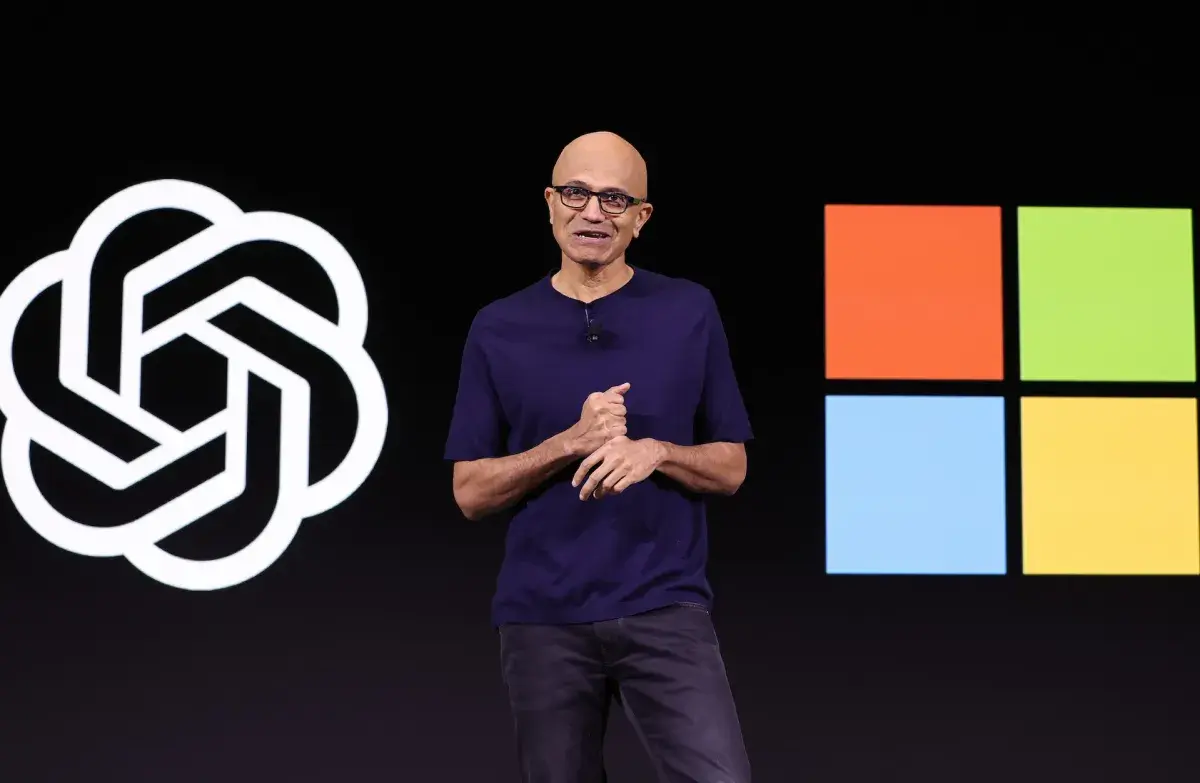
That would place Meta more directly against companies including OpenAI, Google and Microsoft as competition grows around monetising generative AI.
Shift beyond advertising
The launch is one of Meta’s clearest recent moves to diversify beyond advertising revenue.
For years, advertising was the centre of its business model, but the company is now spending heavily on artificial intelligence infrastructure.
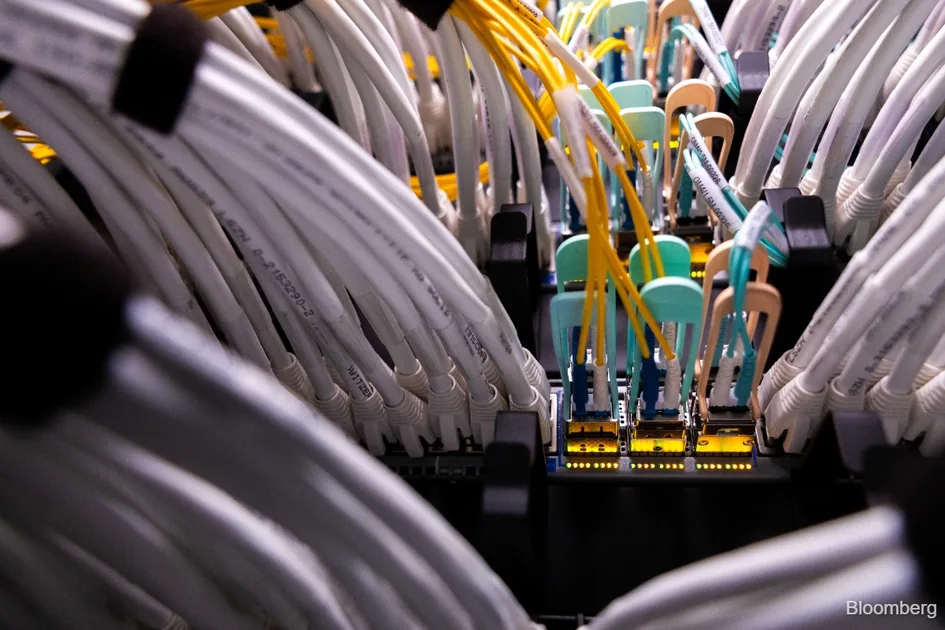
Meta has forecast between $125 billion and $145 billion in capital expenditure this year as it builds the data centres, chips and computing infrastructure needed for its AI plans.
The source said investors have increasingly questioned how those investments will turn into revenue, making subscriptions one of Meta’s most visible monetisation bets.
The company is now testing whether users will pay not only for added convenience in social apps, but also for AI tools woven into everyday digital use.
Summary version for Medium
Meta launches paid plans for Instagram, Facebook and WhatsApp as it tests AI subscriptions
What the announcement means beyond the headline
Quick Summary: Meta has rolled out paid subscription plans for Instagram, Facebook and WhatsApp while keeping the core apps free. The company is also testing paid tiers for its AI assistant, with higher limits for image, video and reasoning tools.
New paid features across Meta apps
The subscriptions focus on extra features rather than major changes to the apps. According to the source, Instagram and Facebook users can get longer Stories, anonymous viewing and profile customisation.
AI subscriptions are the bigger signal
Beyond social features, Meta is also testing subscription tiers for its AI assistant.
- Point 1: The central topic is science-tech, with the announcement framed around concrete operating detail.
- Point 2: Heavier users would get more image and video generation, advanced reasoning tools and fewer usage limits.
The important shift is not the AI label, but the operating boundary it creates for teams.
Shift beyond advertising
The launch is one of Meta’s clearest recent moves to diversify beyond advertising revenue. For years, advertising was the centre of its business model, but the company is now spending heavily on artificial intelligence infrastructure.
Read the Full Deep Dive
Want to explore the complete technical analysis, enterprise trade-offs, and detailed metrics?
Read the full article originally published at SendTech Times