Airbnb’s Chesky Tests Whether AI Needs Its Own Interface Lab
Brian Chesky is preparing to support a separate AI research effort centered on interface design while keeping his Airbnb CEO role. Airbnb’s AI markers include 40% customer-support automation, conversational search built around a large language model, and a planned voice assistant later this year. The central question is whether a founder-led lab can turn interface research into useful consumer AI without a disclosed team, funding amount or timeline.
Chesky Moves Toward AI Interface Research
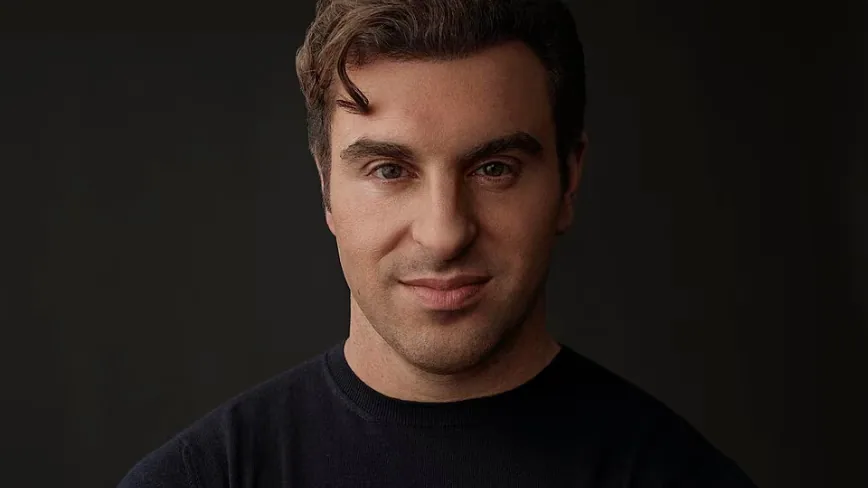
Airbnb CEO Brian Chesky is preparing to support a separate AI lab centered on interface design while keeping his current Airbnb role.
The planned lab would place Chesky closer to the AI research layer rather than leaving Airbnb dependent only on outside model providers.
The details remain early-stage.
The lab has no disclosed name, announced team, funding amount or timeline, and Chesky is not expected to lead it himself.
The practical question is whether he can shape a research operation around consumer AI interfaces while continuing to run Airbnb.
Airbnb’s Existing AI Work Sets the Context
Chesky has argued that travel and commerce need richer visual interfaces than text-based chatbots.
He said last year that Airbnb had not signed a large language model partnership because existing products were not ready for what he wanted to build.
Airbnb has already moved AI into its own products.
In January 2026, Airbnb appointed Ahmad Al-Dahle as chief technology officer after his generative AI work at Meta, including on the Llama model family.
The company has redesigned its app for conversational search using a large language model, uses an AI bot for 40% of customer support queries, has added AI-created listing information and review summaries, and plans a voice assistant later this year.
Founders Push Beyond Commodity Models
The planned lab fits a broader pattern of founders and executives looking beyond standard application programming interface access to frontier models.
Hark offers another example: Brett Adcock put $100 million of his own capital into the company late last year to pursue a universal AI interface, and the company later secured a $700 million Series A at a $6 billion valuation.
Hark is also emphasizing user interaction and hardware.
Thinking Machines Lab, led by Mira Murati, is working on interaction models for real-time audio, text and video streams.
The common thread is a push to make AI more usable in consumer-facing environments where design, timing and visual context matter.
The Execution Test
Chesky’s relationship with Sam Altman gives the move added strategic weight.
He met Altman through Y Combinator in 2006, advised him on OpenAI’s growth, and helped support Altman during OpenAI’s November 2023 board crisis.
The new lab would compete at least partly with OpenAI’s ambitions in user-facing AI.
It is still unclear whether the lab will train its own models or build specialized systems on top of existing ones.
The next signal is whether Chesky discloses a team, funding plan or technical path that turns the interface thesis into a working AI product.
Summary version for Medium
Airbnb’s Chesky Tests Whether AI Needs Its Own Interface Lab
What the announcement means beyond the headline
Quick Summary: Brian Chesky is preparing to support a separate AI research effort centered on interface design while keeping his Airbnb CEO role. Airbnb’s AI markers include 40% customer-support automation, conversational search built around a large language model, and a planned voice assistant later this year.
Chesky Moves Toward AI Interface Research
Airbnb CEO Brian Chesky is preparing to support a separate AI lab centered on interface design while keeping his current Airbnb role. The planned lab would place Chesky closer to the AI research layer rather than leaving Airbnb dependent only on outside model providers.
Airbnb’s Existing AI Work Sets the Context
Chesky has argued that travel and commerce need richer visual interfaces than text-based chatbots.
- Point 1: The central topic is airbnb, with the announcement framed around concrete operating detail.
- Point 2: He said last year that Airbnb had not signed a large language model partnership because existing products were not ready for what he wanted to build.
AI deployments now depend on where models, data, approvals and operating teams meet.
Founders Push Beyond Commodity Models
The planned lab fits a broader pattern of founders and executives looking beyond standard application programming interface access to frontier models. Hark offers another example: Brett Adcock put $100 million of his own capital into the company late last year to pursue a universal AI interface, and the company later secured a $700 million Series A at a $6 billion valuation.
Read the Full Deep Dive
Want to explore the complete technical analysis, enterprise trade-offs, and detailed metrics?
Read the full article originally published at SendTech Times