Micron Optimizes Memory Outlook with 2027 HBM4E Plans
Micron is set to ramp up its HBM4E production with TSMC in 2027, reflecting a more positive outlook on memory demand. The company plans to utilize advanced DRAM technology and expects strong cash flow in the upcoming fiscal quarter. As AI workloads grow, memory supply pressures may increase, making this development critical for industry stakeholders.

Micron Technology is gearing up for a change in its memory production strategy, aiming for a 2027 ramp-up of its HBM4E products in collaboration with TSMC.
This announcement comes as the company expresses a more optimistic outlook on memory demand, particularly in light of increasing AI workloads.
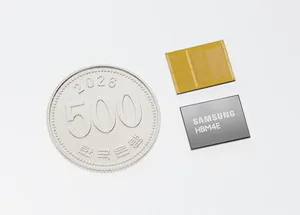
At the JPMorgan TMT conference, Micron’s executive highlighted plans for its first HBM4E product, which will adhere to JEDEC standards.
The company intends to initiate this production using 1-beta DRAM technology, transitioning to 1-gamma technology as it moves forward.
Collaboration with TSMC
Micron's partnership with TSMC is pivotal, as the latter will manufacture logic dies for both standard and custom HBM4E products.
This collaboration is expected to enhance Micron's ability to offer differentiated products, which could be more profitable due to custom logic dies and packaging designs.
Supply Chain Dynamics
The company anticipates ongoing tight supply conditions across its HBM, DRAM, and NAND segments beyond 2026.
This situation could be exacerbated by the rising demand for memory driven by AI applications that focus on machine-to-machine interactions.
Financial Outlook
Micron is projecting record free cash flow for fiscal Q3, fueled by robust memory demand.
The company’s management noted that this financial strength will support its strategic initiatives, including a recently accelerated timeline for its Idaho 1 wafer facility, now set to open in mid-2027.
Industry Implications
As Micron navigates these developments, the memory market may face increased pressure on supply, especially if demand continues at its current pace.
The company’s recent agreements with strategic customers further indicate a proactive approach to securing its market position.
The next checkpoint will be the operational status of the Idaho facility and its impact on Micron's production capabilities as it approaches the 2027 timeline for HBM4E products.
Summary version for Medium
Micron Optimizes Memory Outlook with 2027 HBM4E Plans
Why this hardware shift matters for AI and compute buyers
Quick Summary: Micron is set to ramp up its HBM4E production with TSMC in 2027, reflecting a more positive outlook on memory demand. The company plans to utilize advanced DRAM technology and expects strong cash flow in the upcoming fiscal quarter.
Collaboration with TSMC
Micron's partnership with TSMC is pivotal, as the latter will manufacture logic dies for both standard and custom HBM4E products. This collaboration is expected to enhance Micron's ability to offer differentiated products, which could be more profitable due to custom logic dies and packaging designs.
Supply Chain Dynamics
The company anticipates ongoing tight supply conditions across its HBM, DRAM, and NAND segments beyond 2026.
- Point 1: The central topic is Micron, with the announcement framed around concrete operating detail.
- Point 2: This situation could be exacerbated by the rising demand for memory driven by AI applications that focus on machine-to-machine interactions.
The important shift is not the AI label, but the operating boundary it creates for teams.
Financial Outlook
Micron is projecting record free cash flow for fiscal Q3, fueled by robust memory demand. The company’s management noted that this financial strength will support its strategic initiatives, including a recently accelerated timeline for its Idaho 1 wafer facility, now set to open in mid-2027.
Read the Full Deep Dive
Want to explore the complete technical analysis, enterprise trade-offs, and detailed metrics?
Read the full article originally published at SendTech Times