Apple’s iOS 27 Beta Puts Siri AI On A Controlled Release Track
Apple has begun the iOS 27 beta cycle, with developer access available now, a July public beta planned, and a September release window, while Siri AI remains on a developer waitlist and older compatible iPhones miss Apple Intelligence features.
Apple Turns iOS 27 Into A Staged AI Rollout
Apple has started the iOS 27 cycle with a timetable that separates developer testing, public testing and the general release window.
The first developer beta is already available after the Worldwide Developers Conference reveal on June 8, 2026, while the public beta is scheduled for July and the full release is expected around September.
The schedule matters because iOS 27 is not only a normal iPhone update.
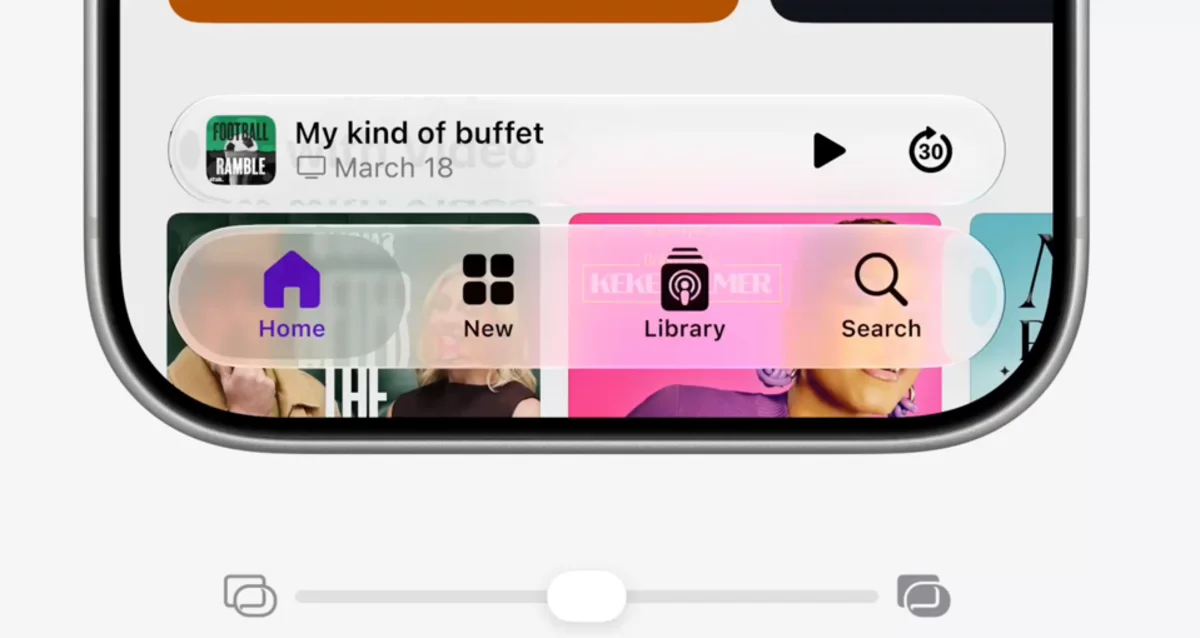
Apple Intelligence and a new Siri AI experience sit at the center of the software change, but Apple is not making every new capability broadly available on day one.
Developers can install the beta now, yet the new Siri AI is handled through a waiting list inside Settings.
That staged access makes iOS 27 a controlled test of Apple’s AI interface strategy.
Apple is asking testers to use devices that contain personal data so context-aware features can be evaluated more realistically.
That creates a different beta profile from a cosmetic software preview, because the value of the assistant depends on how well it understands real user context.
Compatibility Keeps Older iPhones In The Cycle
Apple also made a notable support decision.
Every iPhone that can run iOS 26 is listed as compatible with iOS 27, starting with the iPhone 11 and extending through the iPhone 17 series and iPhone Air.
The next iPhones expected in September should also run the software, including the iPhone 18 Pro, iPhone 18 Pro Max and a first folding iPhone that is likely to be called the iPhone Ultra.
That compatibility result was not the expected outcome for the oldest devices.
Apple still includes the iPhone 11 family and the iPhone SE 2nd edition, even though those models had been viewed as possible cutoffs.
The limitation is important: those earlier models will not run Apple Intelligence and will not receive Siri AI.
For Apple, the split keeps the installed base on the same operating-system track while preserving AI features for newer hardware.
For users, it means security, interface and system updates can continue even when the most compute-heavy AI functions are unavailable.
Betas Carry A Larger Practical Risk
The developer beta is free to access after registering as a developer, but the article frames it as software meant for developers rather than everyday users.
Installation is handled through Settings, General and Software Update, where users enable Beta Updates and choose iOS 27 Developer Beta.
The download size will vary and may be around 20GB in some cases.
Apple’s usual beta risk still applies.
A secondary iPhone is the safer test device because bugs and broken functions are expected.
The difference this year is that Apple’s context-aware AI features work best when the device contains personal information, which raises a practical trade-off between realistic testing and daily-device stability.
September Remains The Commercial Window
The public beta is expected in July, normally after the third developer beta in the middle of July.
The Release Candidate is expected in early September, possibly around the September keynote.
The date estimate points to a Wednesday, September 9 keynote and a general iOS 27 release on or around Monday, Sept.
14.
The main watchpoint is not only the final release date.
Apple’s bigger test is whether Siri AI can move from a developer waitlist into a stable public feature without fragmenting the user experience across supported iPhones.
The available details do not include adoption figures, performance benchmarks or privacy architecture specifics, so those remain the evidence gaps to watch as the beta cycle progresses.
Summary version for Medium
Apple’s iOS 27 Beta Puts Siri AI On A Controlled Release Track
What the announcement means beyond the headline
Quick Summary: Apple has begun the iOS 27 beta cycle, with developer access available now, a July public beta planned, and a September release window, while Siri AI remains on a developer waitlist and older compatible iPhones miss Apple Intelligence features.
Apple Turns iOS 27 Into A Staged AI Rollout
Apple has started the iOS 27 cycle with a timetable that separates developer testing, public testing and the general release window. The first developer beta is already available after the Worldwide Developers Conference reveal on June 8, 2026, while the public beta is scheduled for July and the full release is expected around September.
Compatibility Keeps Older iPhones In The Cycle
Apple also made a notable support decision.
- Point 1: The central topic is Apple Intelligence, with the announcement framed around concrete operating detail.
- Point 2: Every iPhone that can run iOS 26 is listed as compatible with iOS 27, starting with the iPhone 11 and extending through the iPhone 17 series and iPhone Air.
AI deployments now depend on where models, data, approvals and operating teams meet.
Betas Carry A Larger Practical Risk
The developer beta is free to access after registering as a developer, but the article frames it as software meant for developers rather than everyday users. Installation is handled through Settings, General and Software Update, where users enable Beta Updates and choose iOS 27 Developer Beta.
Read the Full Deep Dive
Want to explore the complete technical analysis, enterprise trade-offs, and detailed metrics?
Read the full article originally published at SendTech Times