Apple WWDC 2026 Turns Siri Into the Test of Its AI Credibility
Apple is expected to put Siri back at the center of WWDC 2026 after delays to its promised Apple Intelligence assistant. The event is likely to test whether Apple can turn contextual awareness, chatbot-style interaction and agentic voice tasks into reliable platform features.
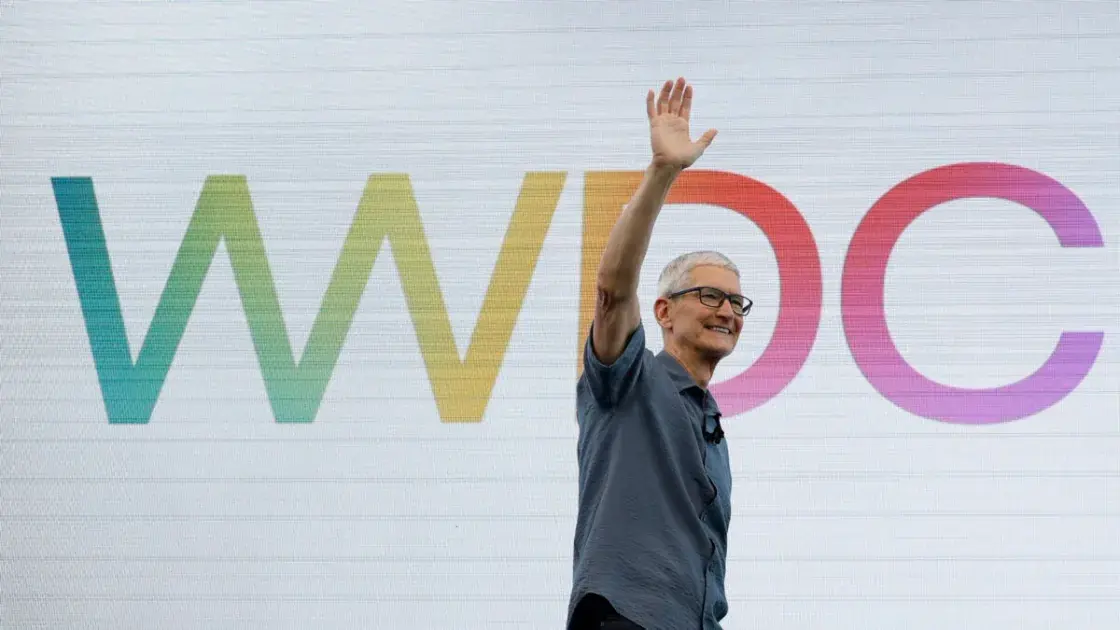
Siri returns to the center of Apple’s AI story
Apple’s WWDC 2026 preview puts the spotlight back on Siri after the company’s earlier Apple Intelligence promises failed to produce the more context-aware assistant users were told to expect.
The key issue is whether Apple can show that Siri can understand what is happening on an iPhone screen and pull information from across apps without forcing users to search manually.
The delayed assistant has become the visible test of Apple’s AI credibility.
The source describes repeated delays after the original launch window, followed by Craig Federighi saying the work needed more time to meet Apple’s quality bar.
That makes this year’s developer conference less about a single feature and more about whether Apple can close the gap between announcement and delivery.
A chatbot-style Siri could change the product surface
The expected changes include a darker Siri interface, a possible Siri app with typed prompts and stored chat-style conversations, and the ability to route some queries to third-party AI chatbots.
If those pieces appear, Apple would be moving Siri closer to the interaction model users already know from standalone AI assistants.
A more agentic Siri is also part of the expectation set.
The article points to multi-step voice tasks and integration with the Camera app for Visual Intelligence, where AI chatbots can identify objects and information in photos.
For Apple, the practical challenge is making those capabilities feel native to iPhone rather than bolted onto the operating system.
Software reliability becomes part of the AI pitch
Beyond Siri, Apple’s platform updates are expected to focus on performance, bug fixes and security.
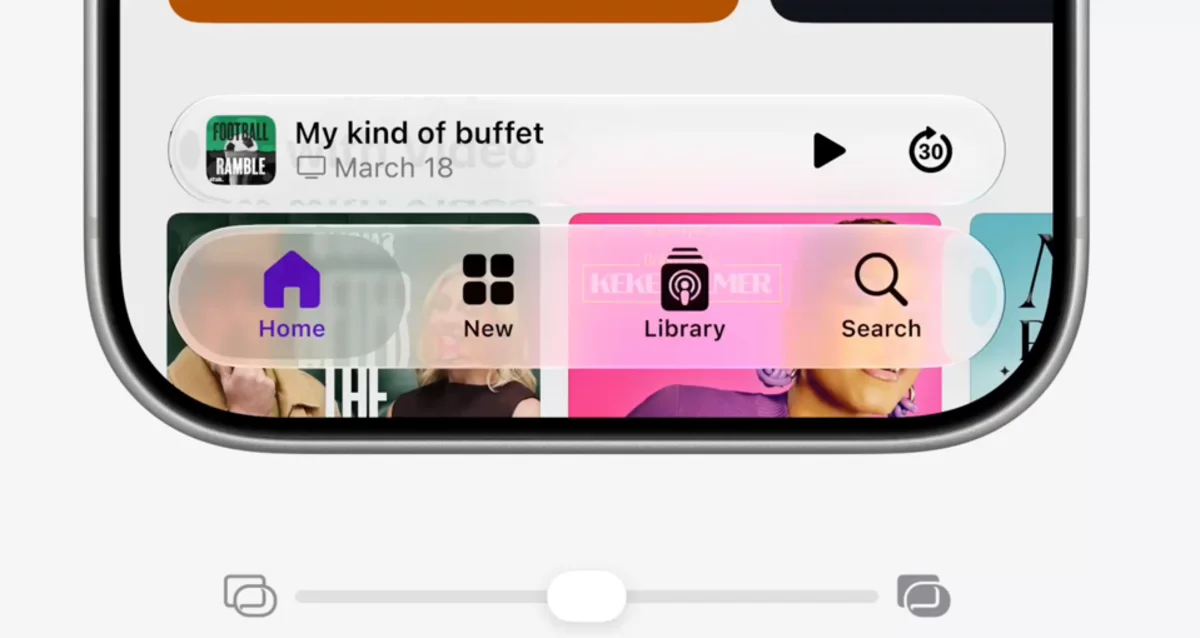
That matters here because the company introduced Liquid Glass last year, leaving this cycle open for under-the-hood improvements rather than a major visual overhaul.
The rumored refinements include subtle contrast and legibility improvements for transparent interface elements, and some platforms could see longer battery life.
In that context, Apple’s AI message is tied to reliability: users may accept fewer flashy changes if the software feels faster, safer and more stable.
Hardware is not expected to carry the event
The source does not expect major hardware announcements at WWDC, despite Apple’s history of occasional hardware reveals at the developer conference.
A foldable iPhone is described as a fall-event expectation, while smart glasses are framed as a 2027-and-beyond priority.
The hardware exception could be a new HomePod mini or Apple TV update, with the HomePod mini reportedly ready but waiting on the new Siri.
The next signal is whether Apple can make Siri and its broader AI layer strong enough to support those devices, instead of letting delayed assistant features hold back the wider ecosystem.
Summary version for Medium
Apple WWDC 2026 Turns Siri Into the Test of Its AI Credibility
What the announcement means beyond the headline
Quick Summary: Apple is expected to put Siri back at the center of WWDC 2026 after delays to its promised Apple Intelligence assistant. The event is likely to test whether Apple can turn contextual awareness, chatbot-style interaction and agentic voice tasks into reliable platform features.
Siri returns to the center of Apple’s AI story
Apple’s WWDC 2026 preview puts the spotlight back on Siri after the company’s earlier Apple Intelligence promises failed to produce the more context-aware assistant users were told to expect. The key issue is whether Apple can show that Siri can understand what is happening on an iPhone screen and pull information from across apps without forcing users to search manually.
A chatbot-style Siri could change the product surface
The expected changes include a darker Siri interface, a possible Siri app with typed prompts and stored chat-style conversations, and the ability to route some queries to third-party AI chatbots.
- Point 1: The central topic is Apple, with the announcement framed around concrete operating detail.
- Point 2: If those pieces appear, Apple would be moving Siri closer to the interaction model users already know from standalone AI assistants.
AI deployments now depend on where models, data, approvals and operating teams meet.
Software reliability becomes part of the AI pitch
Beyond Siri, Apple’s platform updates are expected to focus on performance, bug fixes and security. That matters here because the company introduced Liquid Glass last year, leaving this cycle open for under-the-hood improvements rather than a major visual overhaul.
Read the Full Deep Dive
Want to explore the complete technical analysis, enterprise trade-offs, and detailed metrics?
Read the full article originally published at SendTech Times