Bluesky Warns Teen Social Media Bans Could Tighten Big Tech's Grip
Bluesky COO Rose Wang warned that teen social media bans could strengthen large technology platforms if compliance costs fall harder on smaller rivals. Australia's ban for under-16s requires age-verification steps and can carry fines of up to 49.5 million Australian dollars, or $35 million, for non-compliance. The practical question is whether online-safety rules can protect young users without making scale and compliance teams the main market advantage.
Bluesky Warns Regulation Could Harden the Platform Market
Bluesky's chief operating officer Rose Wang said blanket social media bans for teenagers could make it harder for smaller platforms to compete with large technology companies.
Speaking on the sidelines of SXSW in London on Wednesday, Wang said Bluesky supports youth safety but worries that heavy compliance requirements could narrow the market to a few dominant platforms.
Wang said she supported youth protection, but warned that heavy regulation could leave the market with "about three to five platforms." She said the compliance teams at those large platforms could be "10 times the size" of Bluesky's entire team.
The policy signal is not opposition to regulation.
Age-verification rules and platform bans may carry different costs for a smaller open-source network than for companies with larger legal, trust and safety, and compliance teams.
Australia Sets the Immediate Compliance Example
Australia was the first country to enforce a blanket social media ban for teenagers under 16 in December.
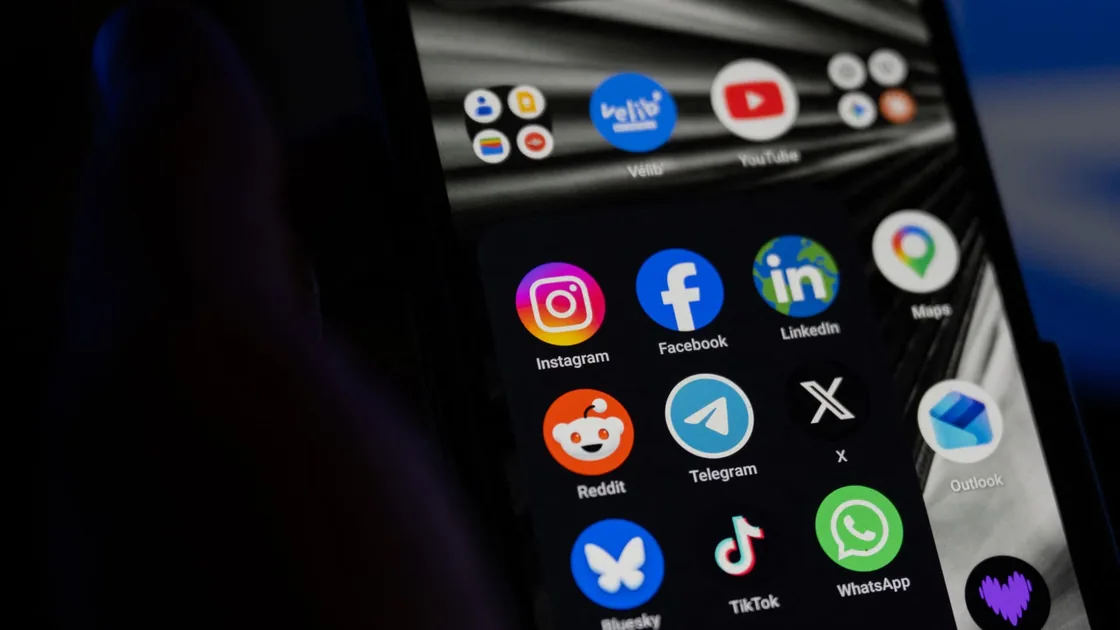
Major platforms including Instagram, TikTok, YouTube and X were required to run age checks, with examples including selfie-based facial estimation, uploaded identity documents and linked bank details.
Fines for non-compliance can reach up to 49.5 million Australian dollars, or $35 million, if platforms fail to take reasonable steps.
Bluesky also introduced age-assurance checks to keep under-16s off its platform, with the measure linked to Australia's eSafety Commissioner.
For smaller platforms, the practical issue is whether regulation can protect young users without turning compliance capacity into a competitive barrier.
Wang said Bluesky has around 40 employees, making the comparison with larger platform compliance teams central to the company's concern.
Smaller Platforms Ask for a Regulatory Channel
Bluesky was created within X, formerly Twitter, in 2019, spun off in 2021, and later became a rival to the Elon Musk-owned platform.
Its current argument is that governments should distinguish between dominant platforms and smaller entrants when designing rules for teen access and online safety.
Wang said large platforms had let business priorities shape their choices, adding that she understood why governments were stepping in.
Her final point was that regulators need more direct channels with smaller and medium-sized players.
"Regulation needs to work together with innovation," Wang said.
The next signal is whether governments considering teen social media restrictions build compliance paths that smaller networks can meet without reinforcing the scale advantage of the largest platforms.
Summary version for Medium
Bluesky Warns Teen Social Media Bans Could Tighten Big Tech's Grip
What the announcement means beyond the headline
Quick Summary: Bluesky COO Rose Wang warned that teen social media bans could strengthen large technology platforms if compliance costs fall harder on smaller rivals. Australia's ban for under-16s requires age-verification steps and can carry fines of up to 49.5 million Australian dollars, or $35 million, for non-compliance.
Bluesky Warns Regulation Could Harden the Platform Market
Bluesky's chief operating officer Rose Wang said blanket social media bans for teenagers could make it harder for smaller platforms to compete with large technology companies. Speaking on the sidelines of SXSW in London on Wednesday, Wang said Bluesky supports youth safety but worries that heavy compliance requirements could narrow the market to a few dominant platforms.
Australia Sets the Immediate Compliance Example
Australia was the first country to enforce a blanket social media ban for teenagers under 16 in December.
- Point 1: The central topic is social media, with the announcement framed around concrete operating detail.
- Point 2: Major platforms including Instagram, TikTok, YouTube and X were required to run age checks, with examples including selfie-based facial estimation, uploaded identity documents...
The headline matters only if the approval path, compliance burden and operating limits line up.
Smaller Platforms Ask for a Regulatory Channel
Bluesky was created within X, formerly Twitter, in 2019, spun off in 2021, and later became a rival to the Elon Musk-owned platform. Its current argument is that governments should distinguish between dominant platforms and smaller entrants when designing rules for teen access and online safety.
Read the Full Deep Dive
Want to explore the complete technical analysis, enterprise trade-offs, and detailed metrics?
Read the full article originally published at SendTech Times