EU Tech Sovereignty Push Puts Cloud Providers And AI Chips Under Policy Scrutiny
The European Commission proposed a tech-sovereignty package covering chips, AI and cloud services. The package includes the Cloud and AI Development Act and Chips Act 2.0, and still needs approval from all 27 EU member states. The next signal is whether member states convert the proposals into cloud procurement rules and semiconductor investment priorities.

Europe Turns Tech Reliance Into A Sovereignty Test
The European Commission proposed a technology-sovereignty package aimed at reducing the bloc's dependence on foreign chips, artificial intelligence and cloud services.
The proposals require approval from all 27 member states and include measures for advanced chip manufacturing and homegrown cloud computing.
Commission President Ursula von der Leyen said Europe could not depend on others for technologies that keep hospitals, energy grids and services secure.
That framing turns cloud and semiconductor capacity into a policy issue as much as a procurement issue.
For cloud providers, sensitive public-sector workloads are moving closer to sovereignty tests.
The practical question is where data is stored, who controls operations and how exposed critical systems remain to non-European laws.
Cloud Rules Move Beyond Data Location
The package includes a Cloud and AI Development Act (CADA), designed to reduce risks tied to Europe's reliance on third countries for cloud computing services.
The proposal would create an EU-wide framework setting different sovereignty levels for cloud computing used in sensitive public-organization workloads.
Executive Vice-President Henna Virkkunen said the European Commission wants to ensure that cloud providers handling critical workloads do not have a "kill switch." She also said U.S. companies would find it difficult to meet the highest sovereignty levels because the U.S. Cloud Act allows American law enforcement to request user data from U.S. companies regardless of where that data is stored.
Catherine di Lorenzo, a partner at A&O Shearman, said the shift reaches past where data sits and into who owns cloud services, how operations are controlled, how supply chains are disclosed and whether providers are insulated from outside legal demands.
For cloud suppliers, the practical question is whether they can meet public-sector sovereignty expectations without weakening the scale and service models that made U.S. platforms dominant in Europe.
Chips Act 2.0 Adds A Manufacturing Track
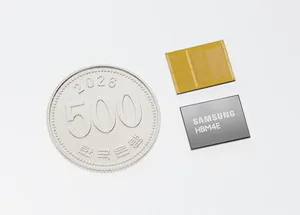
A second measure, Chips Act 2.0, is intended to strengthen Europe's semiconductor sector.
The proposal addresses dependence on third countries for chip design and manufacturing, along with insufficient crisis preparedness.
The European Commission said it would prioritize an advanced semiconductor foundry within the bloc.
The measure links chip policy directly to AI capacity because the new manufacturing push is aimed at cutting-edge semiconductor technologies that power AI.
Keegan McBride, Director of Science & Technology at the Tony Blair Institute for Global Change, said access to computing power, energy, talent and digital infrastructure will determine which countries prosper in the age of AI.
He warned that a full Europe-first retreat could leave the continent weaker if Europe does not also build, deploy and export technology globally.
The next signal is whether member states turn the package into binding rules that change procurement decisions for cloud providers and investment priorities for advanced chip manufacturing.
Summary version for Medium
EU Tech Sovereignty Push Puts Cloud Providers And AI Chips Under Policy Scrutiny
Why EU Tech Sovereignty Push matter now for cloud infrastructure teams
Quick Summary: The European Commission proposed a tech-sovereignty package covering chips, AI and cloud services. The package includes the Cloud and AI Development Act and Chips Act 2.0, and still needs approval from all 27 EU member states.
Europe Turns Tech Reliance Into A Sovereignty Test
The European Commission proposed a technology-sovereignty package aimed at reducing the bloc's dependence on foreign chips, artificial intelligence and cloud services. The proposals require approval from all 27 member states and include measures for advanced chip manufacturing and homegrown cloud computing.
Cloud Rules Move Beyond Data Location
The package includes a Cloud and AI Development Act (CADA), designed to reduce risks tied to Europe's reliance on third countries for cloud computing services.
- Point 1: The central topic is cloud-data-centers, with the announcement framed around concrete operating detail.
- Point 2: The proposal would create an EU-wide framework setting different sovereignty levels for cloud computing used in sensitive public-organization workloads.
The important shift is not the AI label, but the operating boundary it creates for teams.
Chips Act 2.0 Adds A Manufacturing Track
A second measure, Chips Act 2.0, is intended to strengthen Europe's semiconductor sector. The proposal addresses dependence on third countries for chip design and manufacturing, along with insufficient crisis preparedness.
Read the Full Deep Dive
Want to explore the complete technical analysis, enterprise trade-offs, and detailed metrics?
Read the full article originally published at SendTech Times