India AI Compute Buyers Face 36-To-52-Week GPU Lead Times
Indian AI infrastructure buyers are still reserving GPU capacity months ahead. NeevCloud cofounder Narendra Sen said next-generation enterprise AI GPU lead times now range between 36 and 52 weeks, while named Indian startups are shifting training and inference around scarce capacity.
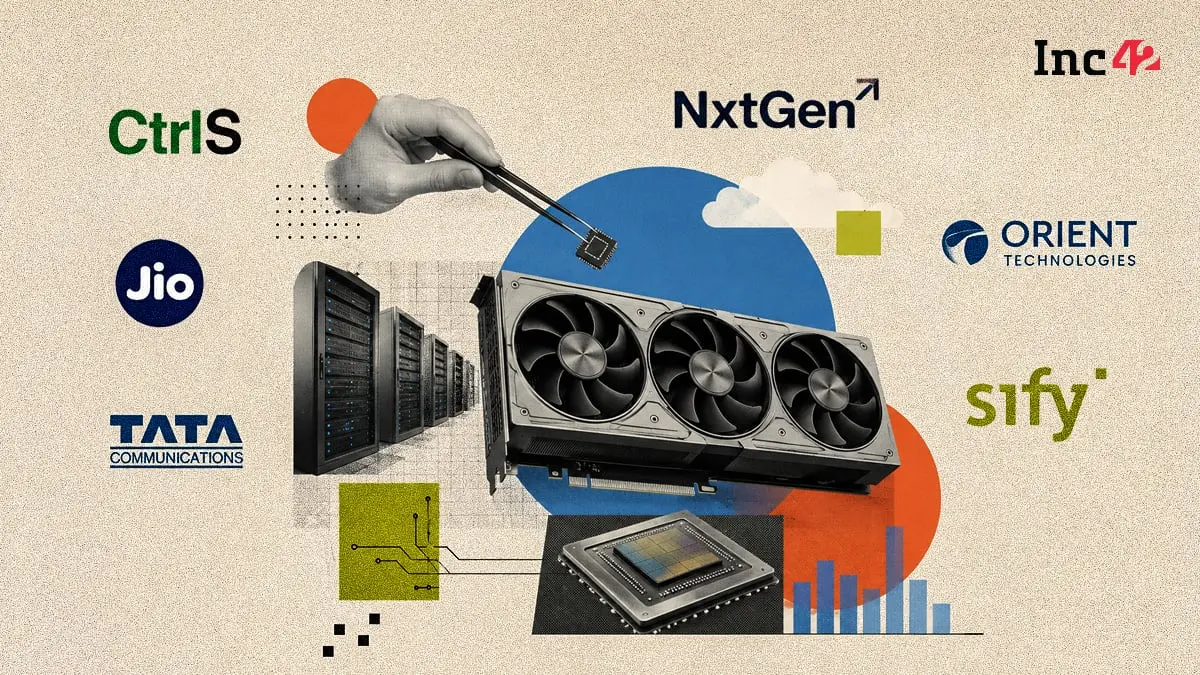
Indian AI companies are still planning around a GPU queue, even after the worst of the early generative AI shortage eased.
NeevCloud cofounder Narendra Sen said suppliers now quote 36 and 52 weeks for next-generation enterprise AI GPUs, and he said some fresh orders are being pushed into 2027.
The India AI compute shortage now sits across chips, high-bandwidth memory, networking parts and power infrastructure.
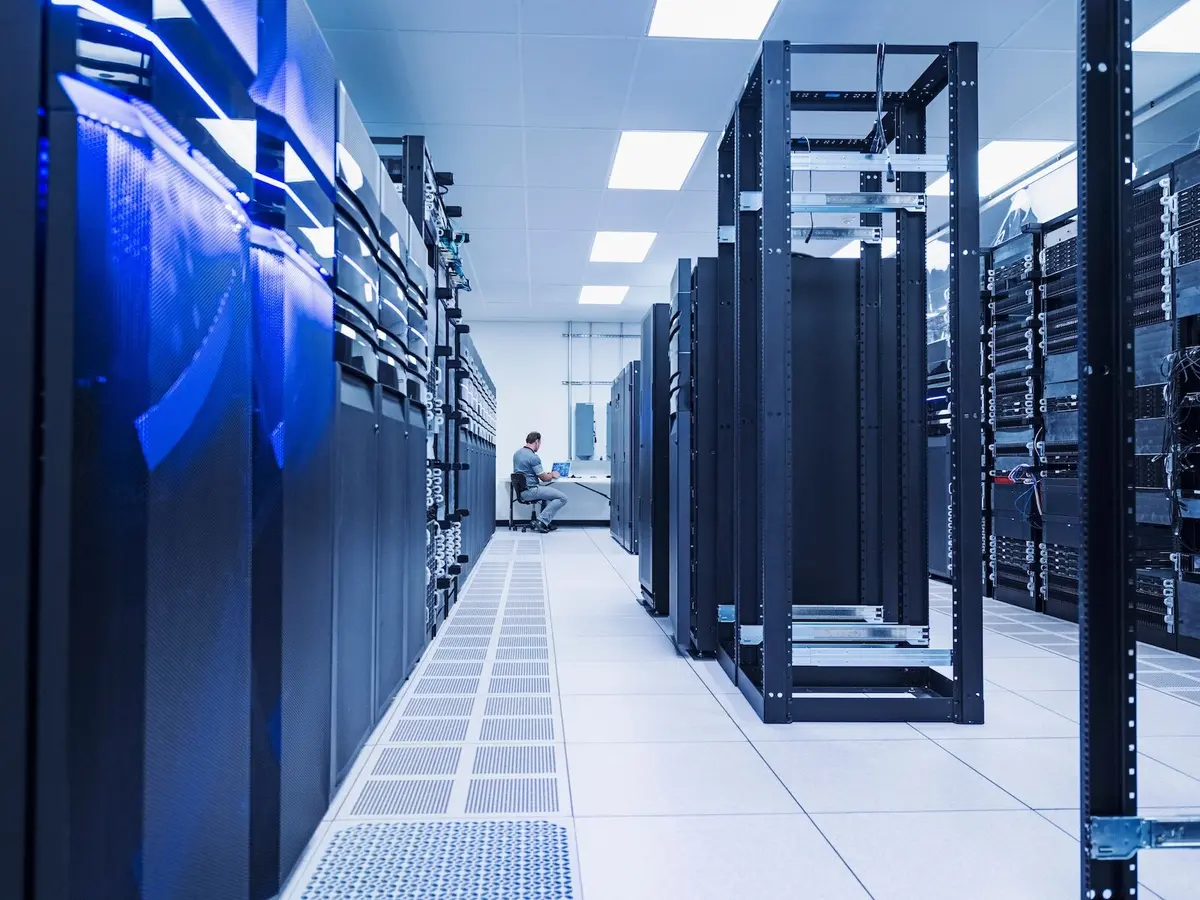
Yotta cofounder and chief executive Sunil Gupta said large AI infrastructure builds still require buyers to reserve capacity early and coordinate across OEMs, system integrators and GPU vendors.
The constraint is shaping procurement before developers can decide which models, clusters or inference workloads they can run locally.
NeevCloud Cites 36 And 52 Week GPU Lead Times
Sen said export controls, compliance requirements, tariffs and material shortages are changing how GPUs are allocated.
He said vendors are prioritising strategic markets, sovereign AI programmes and hyperscalers, reducing availability for smaller enterprises.
That pressure has changed the timeline for Indian buyers.
Sen said dedicated cluster setups that historically took about two months now take roughly four months.
Gupta said large deployments stretched from 6-15 months during 2024 and are now more predictable, but not gone.
India Electronics and Semiconductor Association president Ashok Chandak described the shortage as a structural imbalance.
He said delivery timelines have improved since the peak of the shortage, while global data centre demand continues to outpace supply.
Jefferies Data Shows A 12 GW Data Centre Gap
The cited Jefferies figures put 2025 global data centre capacity additions at 8.9 GW, compared with nearly 21.1 GW of demand.
According to the Jefferies report, that gap was about 12 GW.
The same cited report said hyperscalers are expected to infuse $770 Bn into the sector in 2026, up 74% year on year.
Those commitments affect smaller cloud providers because Microsoft, Amazon, Google and Meta are making long-term purchase agreements for large parts of Nvidia's latest shipments.
Sen said the bottleneck has spread beyond processors into CoWoS packaging, high-bandwidth memory and the power infrastructure needed to run large clusters.
He also said memory and networking components for newer Nvidia accelerators now carry longer lead times than the chips they support.
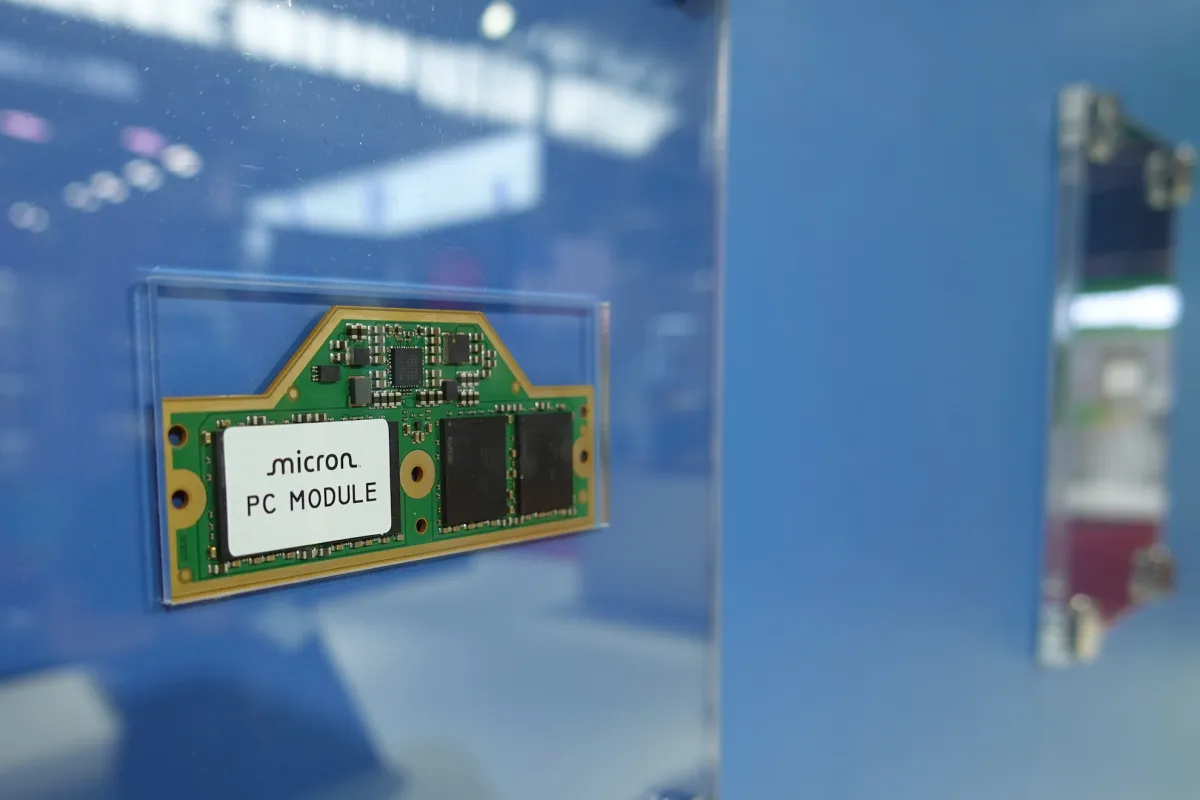
SK Hynix, Samsung and Micron were named as the dominant memory suppliers, with new factories not expected to add much capacity until 2027 or 2028.
Indian Startups Reserve Capacity Before Training Runs
Gupta said large enterprises, model builders and AI platform companies are planning compute needs several quarters ahead.
He said cloud providers now book supply years before it is needed and keep older-generation hardware in service while they wait for newer clusters.
Murf.AI cofounder and chief executive Ankur Edkie said the voice AI company separates scheduled training from continuous real-time inference for live voice traffic.
Murf.AI reserves guaranteed capacity before planned training runs instead of relying only on the spot market.
Nurix has adopted a smaller version of that model.
Nurix said it operates a fleet of 15 to 22 GPUs, runs real-time inference during high-throughput hours and shifts fine-tuning into off-peak windows.
It also uses Nvidia H100 GPUs for heavier inference while placing lighter models on older T4 and L4 architectures.
CoRover cofounder Ankush Sabharwal said the company uses a composite AI architecture that handles nearly 80% of its tasks without GPU-heavy inference.
He named Google Cloud, Yotta, NxtGen and the IndiaAI Mission as capacity sources for CoRover and said peak use reaches around 1,200-1,250 GPUs.
IndiaAI Mission Capacity Still Depends On Imported Chips
Chandak said India imports almost all of its high-end chips and argued that GPU allocation has become a sovereign security issue.
The cited production data put nearly 90% of advanced logic chip production at 2 nm, 3 nm and 5 nm nodes in Taiwan, while China dominates critical minerals.
Chipmakers were described as diversifying capacity into the US, Europe, India and Southeast Asian nations, but no new site was identified as enough to remove near-term supply pressure.
The named companies and industry bodies did not disclose confirmed 2027 allocation volumes, signed GPU order books, customer-level waiting lists, cluster prices or when new HBM and networking supply will remove the queue for Indian AI buyers.
Summary version for Medium
India AI Compute Buyers Face 36-To-52-Week GPU Lead Times
Why India AI Compute Buyers matter now for cloud infrastructure teams
Quick Summary: Indian AI infrastructure buyers are still reserving GPU capacity months ahead. NeevCloud cofounder Narendra Sen said next-generation enterprise AI GPU lead times now range between 36 and 52 weeks, while named Indian startups are shifting training and inference around scarce capacity.
NeevCloud Cites 36 And 52 Week GPU Lead Times
Sen said export controls, compliance requirements, tariffs and material shortages are changing how GPUs are allocated. He said vendors are prioritising strategic markets, sovereign AI programmes and hyperscalers, reducing availability for smaller enterprises.
Jefferies Data Shows A 12 GW Data Centre Gap
The cited Jefferies figures put 2025 global data centre capacity additions at 8.9 GW, compared with nearly 21.1 GW of demand.
- Point 1: The central topic is chips-semiconductors, with the announcement framed around concrete operating detail.
- Point 2: According to the Jefferies report, that gap was about 12 GW.
The important shift is not the AI label, but the operating boundary it creates for teams.
Indian Startups Reserve Capacity Before Training Runs
Gupta said large enterprises, model builders and AI platform companies are planning compute needs several quarters ahead. He said cloud providers now book supply years before it is needed and keep older-generation hardware in service while they wait for newer clusters.
Read the Full Deep Dive
Want to explore the complete technical analysis, enterprise trade-offs, and detailed metrics?
Read the full article originally published at SendTech Times