India’s AI Skills Push Moves From Summit Talk To WhatsApp Access
India’s skills minister Jayant Chaudhary is framing AI as a workforce inclusion tool, with Skill India Assistant now working on WhatsApp, voice support and 13 languages while CBSE introduces computational thinking and AI for classes 3 to 8.
Skilling Policy Gets A Consumer-Scale Interface
India’s AI agenda is moving into workforce access, not only model development or startup funding.
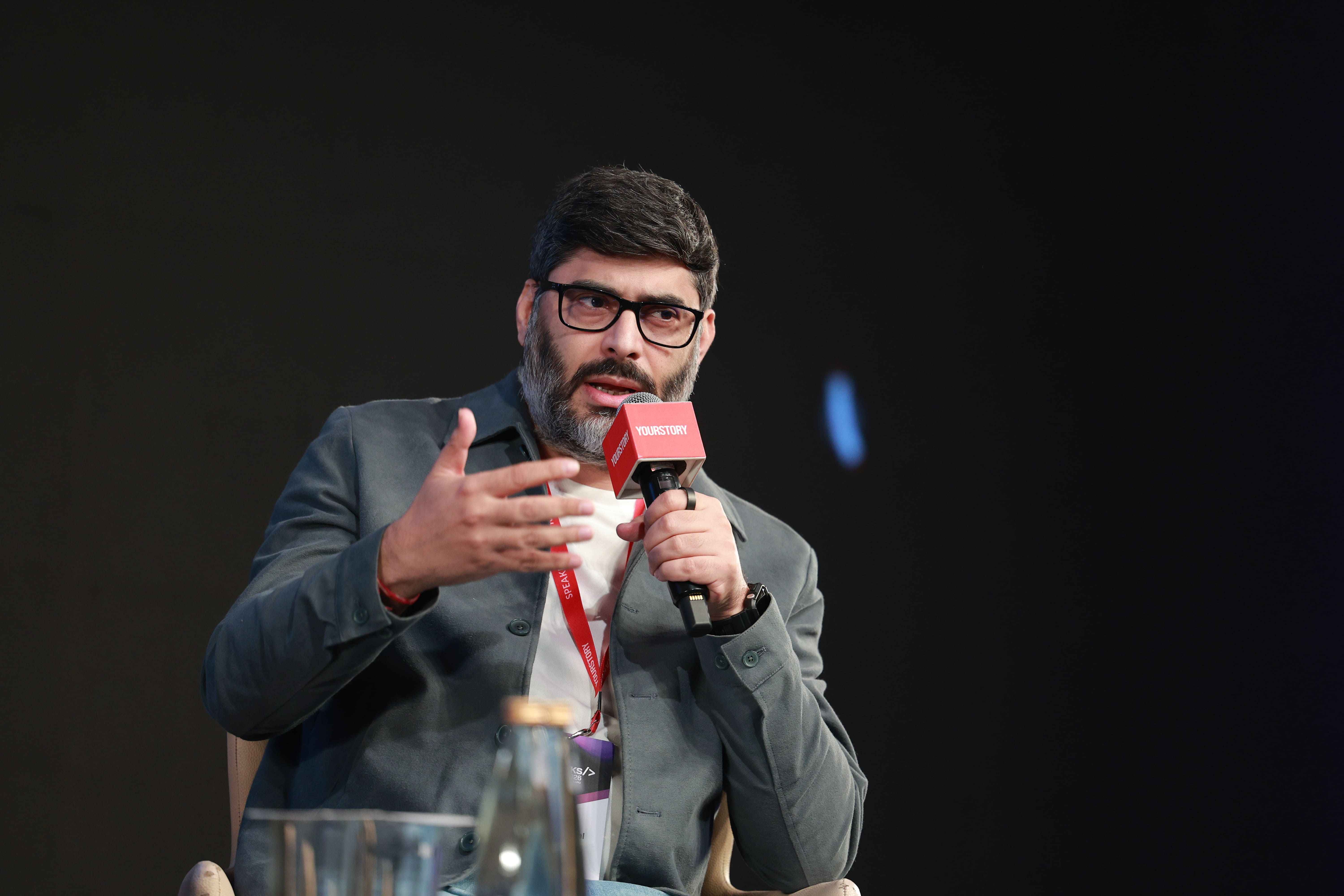
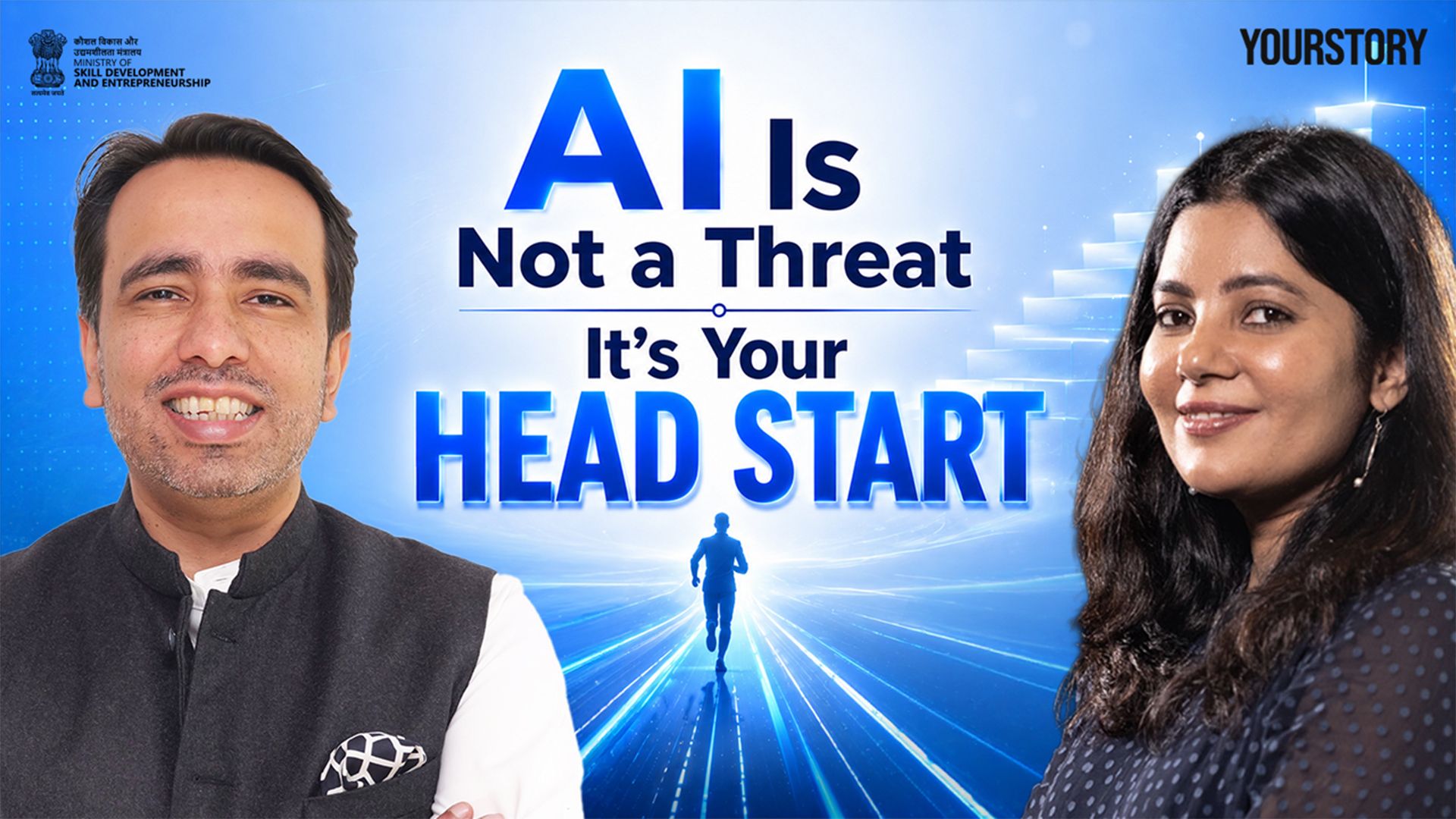
Jayant Chaudhary, minister of state for skill development and entrepreneurship, is presenting artificial intelligence as a way to lower entry barriers for people who are not already inside elite technology networks.
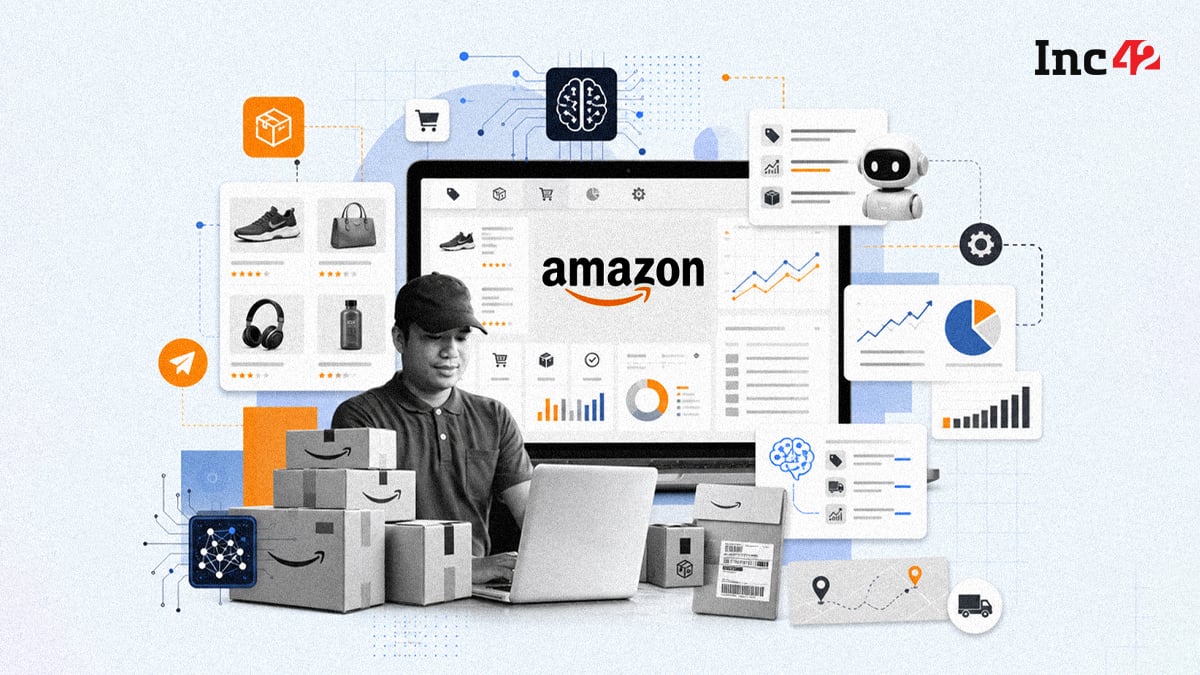
The clearest product signal is Skill India Assistant, known as SIA.
It began as a pilot on the Skill India Digital Hub and is described as one of the first government digital public infrastructure platforms to include an AI chatbot.
The system is built on Meta’s open-source Llama models and implemented by Bengaluru startup Sarvam AI.
SIA now works on WhatsApp, supports voice and runs in 13 languages.
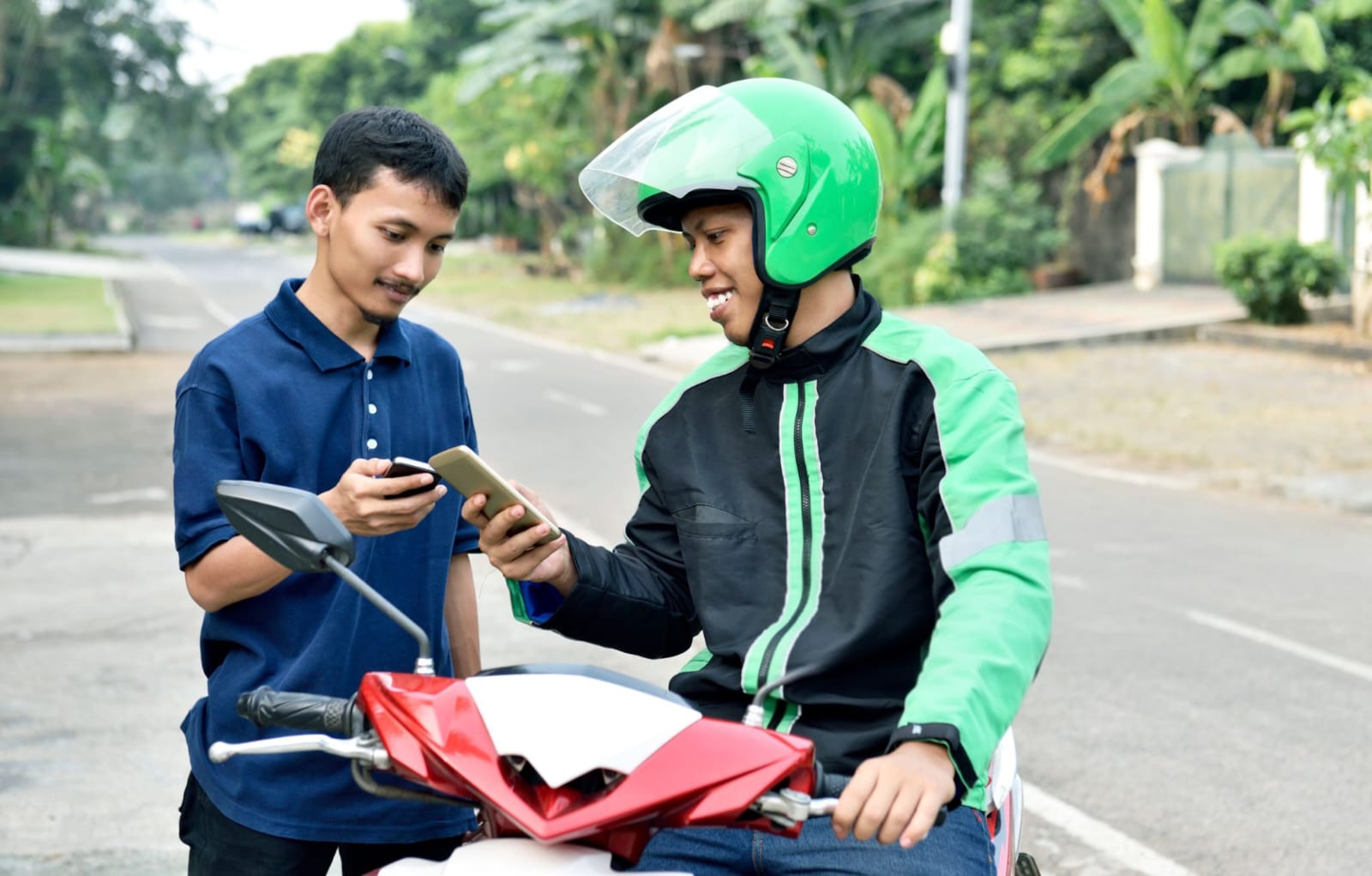
That channel choice is important because the skilling system is trying to meet users through a familiar consumer interface rather than making them start with a separate training portal.
The Inclusion Claim Depends On Delivery
The policy argument is not that AI removes labour-market risk.
Chaudhary’s position is that India can use the technology as a multiplier if access and skills move together.
He said AI can be a threat for those who want the status quo, but an opening for people trying to break into the market.
That makes the distribution layer important.
Skill India Assistant is being presented as a way to make guidance easier to access, but the source does not provide usage numbers, completion rates or job-placement outcomes for the service.
Without those proof points, the strongest confirmed claim is availability and policy intent, not proven labour-market impact.
The minister’s comments also point to a broader risk: automation may squeeze entry-level jobs even as new categories emerge.
The practical question is whether skilling programmes can move fast enough to help learners reach those new roles rather than only hear about them.
Schools Move Earlier Into AI Concepts
The education pipeline is part of the plan.
Chaudhary pointed to a CBSE programme that brings computational-thinking and AI concepts into classes 3 to 8.
It launched on 1 April 2026 and is scheduled for the 2026-27 session, with problem-solving broken into smaller steps as the teaching goal.
That shifts AI readiness earlier than formal job training.
It also broadens the policy challenge, because school-level exposure needs teachers, curriculum depth and language access if it is to reach beyond well-resourced classrooms.
Chaudhary argued that India should build AI that is regional and authentic in its reasoning rather than copying models that do not fit local needs.
In practical terms, that means the success of school AI exposure will depend on whether it can work across different regions, languages and learning contexts.
The Watchpoint Is Proof Beyond Reach
The source gives several confirmed implementation details: SIA on WhatsApp, voice support, 13 languages, Llama models, Sarvam AI implementation and CBSE’s AI-linked curriculum.
What it does not yet show is measurable adoption.
The next evidence to watch is therefore not another headline summit.
It is whether Skill India Assistant publishes usage data, whether training pathways show sustained demand, and whether school-level AI exposure is backed by enough teacher capacity to make the curriculum meaningful.
The ambition is clear; the execution data is still the missing layer.