Kezad Plans Dh112 Million SME Hub To Link Abu Dhabi Startups With Industrial Scale
Kezad is developing a Dh112 million SME Hub with 175 micro-industrial units, offices and links to Khalifa Port and Etihad Rail as Abu Dhabi pushes smaller companies into scalable industrial capacity.
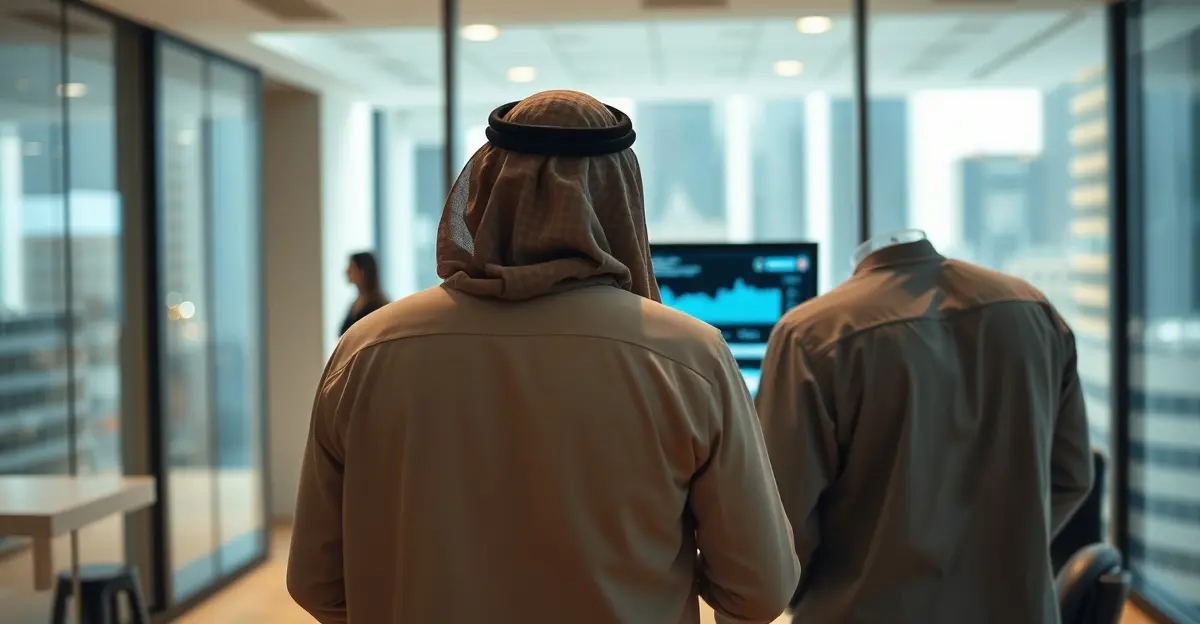
Kezad Turns SME Support Into Industrial Space
Khalifa Economic Zones Abu Dhabi is moving SME policy from incentive language into physical operating capacity.
The new Kezad SME Hub is planned as a Dh112 million ($31 million) centre that combines 175 micro-industrial units with office suites, giving smaller companies a route to production, administration and logistics from one location.
The location matters as much as the unit count.
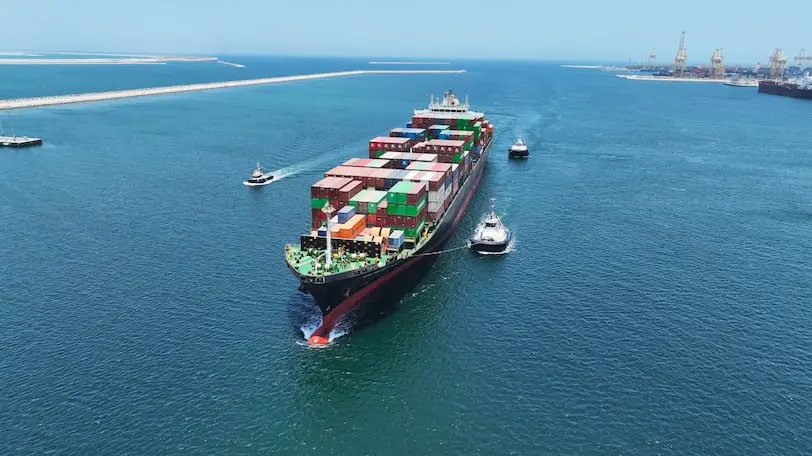
Kezad says the hub will be connected to Khalifa Port and Etihad Rail networks, which makes the project more than a serviced-office launch.
For manufacturers, logistics companies and industrial suppliers, access to freight infrastructure can determine whether a small business can scale beyond local customers without absorbing enterprise-level overhead.
The centre covers 25,260 square metre in Kezad A and is scheduled for handover before the end of this year.
That timeline turns the announcement into a near-term capacity test for Abu Dhabi: the emirate is trying to give early-stage and established SMEs a lower-friction industrial base while keeping them inside a larger economic-zone system.
Abu Dhabi's SME Base Gets A Scale Channel
The policy backdrop is unusually concrete.
SMEs represent about 98 per cent of all businesses in Abu Dhabi.
Their role also extends into jobs and output: the same official data puts their workforce share at 46 per cent and their non-oil GDP contribution at 42.8 per cent.
The sector is also expected to reach one million enterprises by 2030.
Those figures explain why the hub is not only a real-estate project.
If smaller companies already carry most of the business count and nearly half of employment, the constraint shifts to the operating layer: affordable industrial units, office support, logistics access and pathways into finance.
Kezad also signed an initial agreement with Emirates Growth Fund to support UAE-based SMEs, aiming to help high-potential companies access resources and infrastructure as they expand.
Dubai's SME in a Box programme points in the same direction from another emirate.
That initiative gives founders a single entry point for licensing support, banking, digital payments, logistics, telecoms and other services, backed by 18 major private companies including du, Emirates NBD, Abu Dhabi Islamic Bank, Network International, Aramex and DHL.
The Proof Is Utilisation, Not Announcement Volume
Kezad already has a broad platform.
Its footprint includes 12 economic zones in Abu Dhabi, Al Ain and Al Dhafra Region, plus an industrial and logistics zone in East Port Said, Egypt.
The operating base also includes more than 40 staff accommodation complexes through Sdeira Group and 2,300 investors from 17 industrial sectors.
The SME Hub will be judged by whether that infrastructure turns into measurable occupancy and expansion for smaller companies.
A hub with port and rail links can reduce friction, but it still needs tenants that use the units to move into higher-value activity.
The next watchpoint is whether Kezad can convert the new capacity and the Emirates Growth Fund link into visible SME growth rather than another support programme with limited industrial throughput.
Summary version for Medium
Kezad Plans Dh112 Million SME Hub To Link Abu Dhabi Startups With Industrial Scale
What the announcement means beyond the headline
Quick Summary: Kezad is developing a Dh112 million SME Hub with 175 micro-industrial units, offices and links to Khalifa Port and Etihad Rail as Abu Dhabi pushes smaller companies into scalable industrial capacity.
Kezad Turns SME Support Into Industrial Space
Khalifa Economic Zones Abu Dhabi is moving SME policy from incentive language into physical operating capacity. The new Kezad SME Hub is planned as a Dh112 million ($31 million) centre that combines 175 micro-industrial units with office suites, giving smaller companies a route to production, administration and logistics from one location.
Abu Dhabi's SME Base Gets A Scale Channel
The policy backdrop is unusually concrete.
- Point 1: The central topic is SMEs, with the announcement framed around concrete operating detail.
- Point 2: SMEs represent about 98 per cent of all businesses in Abu Dhabi.
AI deployments now depend on where models, data, approvals and operating teams meet.
The Proof Is Utilisation, Not Announcement Volume
Kezad already has a broad platform. Its footprint includes 12 economic zones in Abu Dhabi, Al Ain and Al Dhafra Region, plus an industrial and logistics zone in East Port Said, Egypt.
Read the Full Deep Dive
Want to explore the complete technical analysis, enterprise trade-offs, and detailed metrics?
Read the full article originally published at SendTech Times