Mercari Moves AI Leadership Into HR as It Tests AI-Native Workflows
Mercari's Japan business CTO Toshiya Kimura is becoming CHRO and CAIO as the company links AI adoption with organizational redesign. The company has tested smaller AI Pods and found faster decisions, but also limits around design, compliance and cross-functional work. Mercari plans to make HR itself AI-first while using governance across legal, privacy, security, public policy and AI expertise.
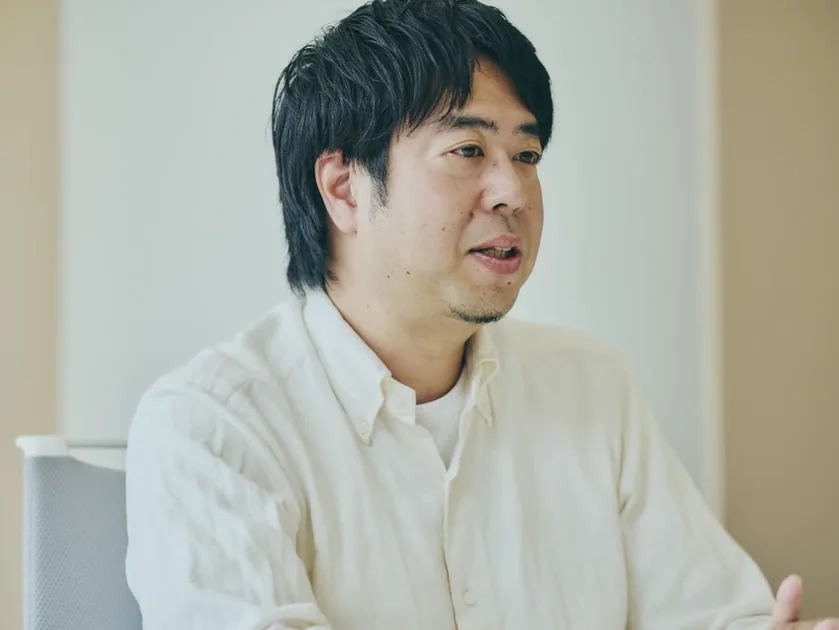
Mercari is moving one of its senior technology leaders into the center of its people strategy as the Japanese marketplace company tests what an AI-native organization could look like.
Toshiya Kimura, who has served as CTO of Mercari's Japan business since July 2024, is taking on the roles of CHRO and CAIO.
The unusual shift from technology leadership to human resources gives Mercari a single executive link between AI adoption, organizational design and employee policy.
What Changed
Kimura said the move follows his work leading Mercari's companywide AI task force over the past year.
Employees are already using AI tools in regular work, but Mercari is questioning whether tool adoption alone is enough to become an AI-native company.
The company has been testing that question inside its development organization through a structure it calls AI Pods.
Instead of a conventional setup with one manager, around eight engineers and one or two project managers, the pods are designed to be smaller teams that can make decisions faster and work across engineering, product and design boundaries.
The experiment has shown both promise and limits.
Kimura said decision-making became faster and communication simpler, but engineers still struggled when AI was used to move into unfamiliar areas such as design or compliance consultation.
That matters here because the bottleneck is not only the AI tool.
It is also the operating model around approvals, resource allocation, governance and evaluation.
Why It Matters
Mercari's decision points to a wider issue for large digital companies in Japan and elsewhere: AI adoption is becoming an organizational problem, not just a software rollout.
If employees use AI but decision rights, compliance reviews and talent systems remain unchanged, the productivity gain may be uneven.
Kimura said HR is close to the company's core because it shapes pay guidelines, evaluation, organization design and the policies that affect how people work.
By combining CHRO and CAIO responsibilities, Mercari is trying to connect AI transformation with the mechanisms that govern the workforce.
The company is considering three pillars.
The first is making the HR organization itself AI-first, including data-driven AI use in recruiting and operations.
Mercari then plans to use the capacity and lessons from HR to propose new organizational models and extend experiments into functions such as finance and legal.
Who Is Affected
The first affected group is Mercari's own workforce, which numbers about 2,000 employees.
Kimura said AI could change talent management by helping the company understand individual skills more deeply and create more personalized growth plans.
He also suggested that AI analysis could support fairer opportunity allocation and more optimized organization design.
Corporate departments may also face pressure to change.
If product development speeds up, functions such as legal checks, compliance and security reviews need faster ways to respond without weakening governance.
What To Watch Next
Mercari has already created an AI governance team that brings together legal, privacy, security, public policy and AI expertise.
That structure will be important if the company expands AI-native work patterns beyond engineering.
The question is whether Mercari can turn AI Pods and HR-led experiments into a repeatable operating model for a company of its size.
The next signal is whether dedicated AI leadership remains necessary while Mercari adjusts its operating model over a one-to-two-year window.
Readers should watch whether Mercari shares not only successful cases but also experiments that did not work, which could make the company's internal redesign useful as a signal for other Japanese technology businesses.
Summary version for Medium
Mercari Moves AI Leadership Into HR as It Tests AI-Native Workflows
What the announcement means beyond the headline
Quick Summary: Mercari's Japan business CTO Toshiya Kimura is becoming CHRO and CAIO as the company links AI adoption with organizational redesign. The company has tested smaller AI Pods and found faster decisions, but also limits around design, compliance and cross-functional work.
What Changed
Kimura said the move follows his work leading Mercari's companywide AI task force over the past year. Employees are already using AI tools in regular work, but Mercari is questioning whether tool adoption alone is enough to become an AI-native company.
Why It Matters
Mercari's decision points to a wider issue for large digital companies in Japan and elsewhere: AI adoption is becoming an organizational problem, not just a software rollout.
- Point 1: The central topic is ai, with the announcement framed around concrete operating detail.
- Point 2: If employees use AI but decision rights, compliance reviews and talent systems remain unchanged, the productivity gain may be uneven.
The important shift is not the AI label, but the operating boundary it creates for teams.
Who Is Affected
The first affected group is Mercari's own workforce, which numbers about 2,000 employees. Kimura said AI could change talent management by helping the company understand individual skills more deeply and create more personalized growth plans.
Read the Full Deep Dive
Want to explore the complete technical analysis, enterprise trade-offs, and detailed metrics?
Read the full article originally published at SendTech Times