Microsoft Linux Push Turns Azure and Windows Into an AI Workload Test
Microsoft used Build 2026 to expand Linux across Azure, Windows development tooling and a new AI workstation. The announcements include Azure Linux 4.0, Azure Container Linux, WSL-backed Windows 11 workflows and the Surface RTX Spark Dev Box. The practical question is whether developers use Microsoft's Linux-centered stack to move AI workloads between local machines and Azure infrastructure.
Microsoft Pulls Linux Deeper Into Its AI Stack
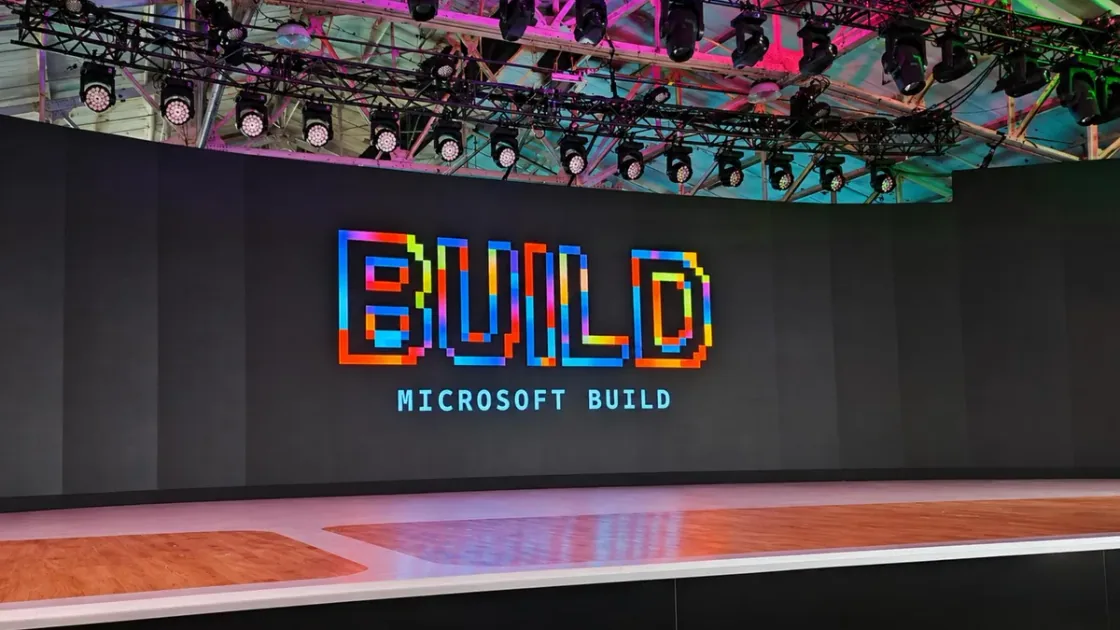
Microsoft used Build 2026 to widen its Linux footprint across Azure, Windows development and local AI workstations.
The announcements included Azure Linux 4.0, Azure Container Linux, a Windows 11 developer setup built around Windows Subsystem for Linux (WSL), and the Surface RTX Spark Dev Box.
The signal is not a single Linux release.
Microsoft is tying cloud servers, container hosts, developer workstations and AI-agent tooling to the same operating-system direction.
Linux is described in the source as the most popular operating system on Azure, and Microsoft is now giving that demand more first-party infrastructure.
Azure Linux Moves Beyond Kubernetes Plumbing
Azure Linux 4.0 is presented as a Fedora-derived, RPM-based, general-purpose server distribution for Azure virtual machines.
Earlier Azure Linux versions were designed mainly for Azure Kubernetes Service, while the new version is positioned as a hardened baseline for cloud-native and AI workloads.
Microsoft says the distribution is an internal build with a reduced package selection and a supply-chain transparency focus.
Azure Container Linux, built on the Flatcar Container Linux lineage, is now generally available and is pitched as a locked-down host image for Kubernetes on Azure.
For cloud buyers, the practical question is whether Azure Linux becomes a default first-party path for Microsoft reference architectures, rather than just another Linux option in the Azure marketplace.
Windows Becomes A Linux-Style Developer Surface
The Windows side of the announcement points in the same direction.
Microsoft described Windows 11 as a developer platform for the tools, models and workflows developers choose, with WSL as a core bridge between Windows and Linux workflows.
Kyle Daigle, Microsoft's COO of GitHub and CMO of Developer, described new WSL capabilities as part of an "agent-native" operating-system layer for local AI development.
Those capabilities include a more intelligent shell and terminal experience, local sandboxing for agents, and upgraded WSL support.
Microsoft is also adding Rust Coreutils-style command-line tools to Windows 11.
Those tools are described as Linux-like command-line utilities that run natively, giving developers who expect GNU-style tooling a more familiar environment on Windows.
The Workstation Test Is Local AI Proof
The Surface RTX Spark Dev Box turns the Linux push into a hardware and local-compute test.
The workstation comes preconfigured with WSL 2, native GPU passthrough, full Nvidia CUDA support, Visual Studio Code and GitHub Copilot.
Microsoft describes the device as a "desktop data center" for complex agent workflows.
Microsoft's stated ceiling for the workstation is up to 1 petaflop of AI compute, with model support up to 120B parameters, and the device can be configured with up to 128GB of unified memory.
Microsoft has not announced a price, and The public record still lacks a shipment date.
The next signal is whether developers treat Microsoft's Linux-centered stack as a practical way to move AI workloads between local machines, Windows tooling and Azure infrastructure.
Summary version for Medium
Microsoft Linux Push Turns Azure and Windows Into an AI Workload Test
Why Microsoft Linux Push matter now for cloud infrastructure teams
Quick Summary: Microsoft used Build 2026 to expand Linux across Azure, Windows development tooling and a new AI workstation. The announcements include Azure Linux 4.0, Azure Container Linux, WSL-backed Windows 11 workflows and the Surface RTX Spark Dev Box.
Microsoft Pulls Linux Deeper Into Its AI Stack
Microsoft used Build 2026 to widen its Linux footprint across Azure, Windows development and local AI workstations. The announcements included Azure Linux 4.0, Azure Container Linux, a Windows 11 developer setup built around Windows Subsystem for Linux (WSL), and the Surface RTX Spark Dev Box.
Azure Linux Moves Beyond Kubernetes Plumbing
Azure Linux 4.0 is presented as a Fedora-derived, RPM-based, general-purpose server distribution for Azure virtual machines.
- Point 1: The central topic is microsoft, with the announcement framed around concrete operating detail.
- Point 2: Earlier Azure Linux versions were designed mainly for Azure Kubernetes Service, while the new version is positioned as a hardened baseline for cloud-native and AI workloads.
Stateful isolation is becoming a first-class cloud primitive, not just an implementation detail.
Windows Becomes A Linux-Style Developer Surface
The Windows side of the announcement points in the same direction. Microsoft described Windows 11 as a developer platform for the tools, models and workflows developers choose, with WSL as a core bridge between Windows and Linux workflows.
Read the Full Deep Dive
Want to explore the complete technical analysis, enterprise trade-offs, and detailed metrics?
Read the full article originally published at SendTech Times