Nvidia and Foxconn Push Agentic AI Into Taiwan Hospitals
Nvidia and Foxconn are working with Taiwanese medical centers on agentic AI systems for clinical and hospital operations. The effort is tied to Healthy Taiwan and a USD 1.5 billion sovereign AI healthcare investment. CoDoctor, CoDoClaw, Scrub Bot and Nurabot show healthcare AI moving toward multi-agent and physical AI workflows.
What happened
Nvidia and Foxconn are moving agentic AI into Taiwan medical institutions after an announcement at Nvidia GTC Taipei on June 1 local time.
The effort links Nvidia, Foxconn and major Taiwanese medical centers with the Healthy Taiwan initiative, which includes USD 1.5 billion for a sovereign AI healthcare ecosystem.
The project is important because it treats healthcare AI as a coordinated operating layer, not only as a diagnostic tool.
The planned systems are meant to analyze patient conditions, review medical records, coordinate treatment plans and support collaboration across hospital departments.
Why it matters
Taiwan faces pressure from rapid population aging and medical workforce shortages.
Hospitals are therefore a practical test case for agentic AI, because adoption will depend on whether systems can reduce workload while keeping clinical safety and accountability intact.
Foxconn is using its CoDoctor platform for specialist AI agents in cardiovascular disease, oncology and ophthalmology.
Named tools include ECG analysis, Corovia for automatic three-dimensional coronary reconstruction and Endovia for real-time lesion detection during colonoscopy.
Corovia can shorten cardiovascular analysis from about two hours to less than one minute.
Foxconn also introduced CoDoClaw, a clinical AI platform based on Nvidia NemoClaw.
It manages agents for breast cancer screening, ECG analysis, fundus image reading and coronary artery analysis, and is already used by major Taiwanese medical institutions for heart disease diagnosis, cancer classification, surgery planning and colonoscopy support.
What to watch next
The affected market includes hospitals, clinicians and healthcare technology suppliers trying to connect software agents with physical work.
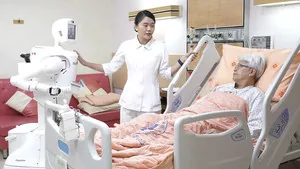
Foxconn showed Scrub Bot for operating rooms and is expanding Nurabot for nursing logistics.
Nurabot can help nurses free an average of two to three hours a day for patient care.
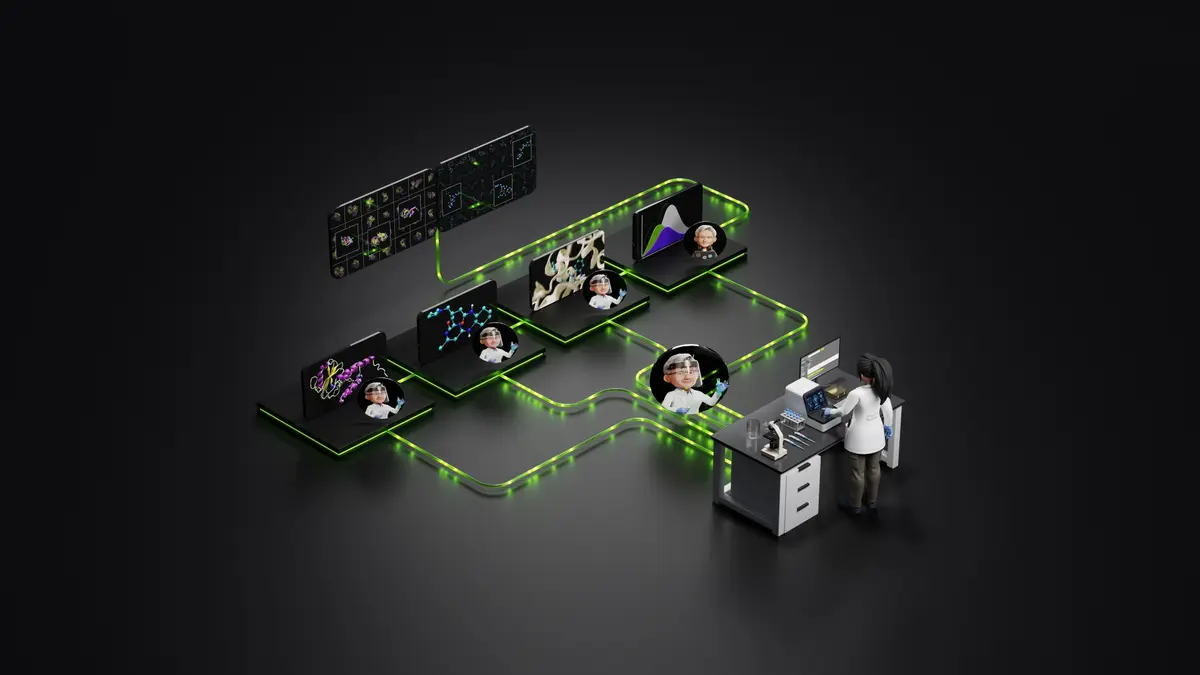
Nvidia and Foxconn are also using Nvidia Omniverse-based hospital digital twins to train and verify AI and robot systems before deployment.
The companies said the method can reduce robot deployment time by up to 40 percent and reach 98 percent navigation accuracy.
The next question is whether the multi-agent model moves from controlled pilots into daily hospital operations.
Summary version for Medium
Nvidia and Foxconn Push Agentic AI Into Taiwan Hospitals
What the announcement means beyond the headline
Quick Summary: Nvidia and Foxconn are working with Taiwanese medical centers on agentic AI systems for clinical and hospital operations. The effort is tied to Healthy Taiwan and a USD 1.5 billion sovereign AI healthcare investment.
What happened
Nvidia and Foxconn are moving agentic AI into Taiwan medical institutions after an announcement at Nvidia GTC Taipei on June 1 local time. The effort links Nvidia, Foxconn and major Taiwanese medical centers with the Healthy Taiwan initiative, which includes USD 1.5 billion for a sovereign AI healthcare ecosystem.
Why it matters
Taiwan faces pressure from rapid population aging and medical workforce shortages.
- Point 1: The central topic is ai, with the announcement framed around concrete operating detail.
- Point 2: Hospitals are therefore a practical test case for agentic AI, because adoption will depend on whether systems can reduce workload while keeping clinical safety and accountability...
The important shift is not the AI label, but the operating boundary it creates for teams.
What to watch next
The affected market includes hospitals, clinicians and healthcare technology suppliers trying to connect software agents with physical work. Foxconn showed Scrub Bot for operating rooms and is expanding Nurabot for nursing logistics.
Read the Full Deep Dive
Want to explore the complete technical analysis, enterprise trade-offs, and detailed metrics?
Read the full article originally published at SendTech Times