The AI Bots Are Coming, and the Young Are Booing Instead of Applauding
The rise of AI is causing alarm among young professionals. Former Google CEO Eric Schmidt addressed these fears during a recent speech. Major companies are cutting jobs, citing AI as a factor.

The Rise of AI and Growing Concerns
The artificial intelligence revolution is here, and the boos are getting louder.
As AI reshapes industries and markets around the world, a sense of dread is deepening among young "digital natives" now entering the workforce, fearful of the impact on jobs and daily life as ChatGPT, Claude, and Gemini become household names.
Fears Acknowledged by Industry Leaders
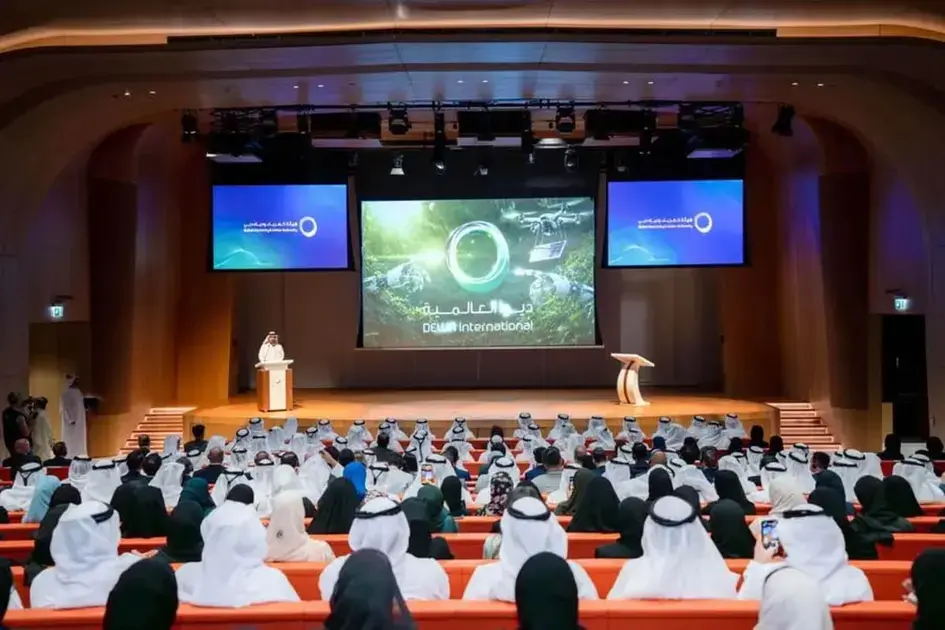
In a speech this week, former Google CEO Eric Schmidt told graduating University of Arizona students that the impact of AI would be "larger, faster, and more consequential" than anything before.
"It will touch every profession, every classroom, every hospital, every laboratory, every person, and every relationship you have," he said, as boos rang out even as he addressed anxieties about job security and an uncertain future.
Job Cuts and Industry Shifts
How real those fears are was on show in an announcement by Standard Chartered on Tuesday that it will cut over 7,000 jobs and replace "lower-value human capital" with AI.
Many tech firms are also cutting staff, citing AI.
Meta, which is installing tracking software on U.S.-based employees' computers to train its AI model, is planning to lay off 10% of its workforce globally starting this month.
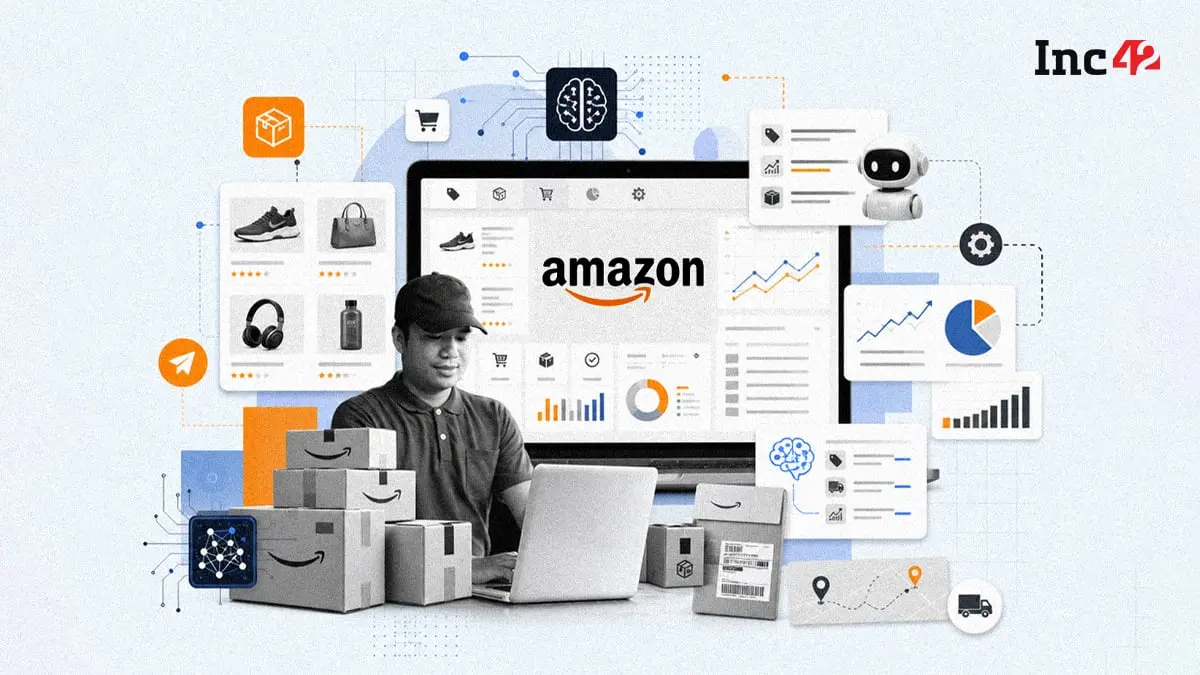
Amazon has axed some 30,000 corporate jobs in recent months as it pushes AI and efficiency, while in February, fintech firm Block cut nearly half its staff.
The Broader Context
The Iran war is also softening hiring.
Schmidt acknowledged the young generation's fears and called them "rational," but just like the current top executives, he painted the change and disruption AI was bringing as something inevitable that everyone needed to adapt to.
However, even as CEOs embrace AI, there have been signs of pushback: from Chinese courts to unions at South Korean companies.
Summary version for Medium
The AI Bots Are Coming, and the Young Are Booing Instead of Applauding
What the announcement means beyond the headline
Quick Summary: The rise of AI is causing alarm among young professionals. Former Google CEO Eric Schmidt addressed these fears during a recent speech.
The Rise of AI and Growing Concerns
The artificial intelligence revolution is here, and the boos are getting louder. As AI reshapes industries and markets around the world, a sense of dread is deepening among young "digital natives" now entering the workforce, fearful of the impact on jobs and daily life as ChatGPT, Claude, and Gemini become household names.
Fears Acknowledged by Industry Leaders
In a speech this week, former Google CEO Eric Schmidt told graduating University of Arizona students that the impact of AI would be "larger, faster, and more consequential" than anything before.
- Point 1: The central topic is science-tech, with the announcement framed around concrete operating detail.
- Point 2: "It will touch every profession, every classroom, every hospital, every laboratory, every person, and every relationship you have," he said, as boos rang out even as he addressed...
The important shift is not the AI label, but the operating boundary it creates for teams.
Job Cuts and Industry Shifts
How real those fears are was on show in an announcement by Standard Chartered on Tuesday that it will cut over 7,000 jobs and replace "lower-value human capital" with AI. Many tech firms are also cutting staff, citing AI.
Read the Full Deep Dive
Want to explore the complete technical analysis, enterprise trade-offs, and detailed metrics?
Read the full article originally published at SendTech Times