AI Data-Centre Spending Turns Energy Costs Into an Inflation Test
AI infrastructure spending is pushing data-centre power demand, construction costs and debt issuance into the inflation debate. Pew Research Centre counted more than 3,000 operational US data centres and about 1,500 more under construction or in early development. The practical question is whether productivity gains arrive before power, construction and financing costs spread further through the economy.
AI Infrastructure Spending Turns Energy Costs Into an Inflation Test
AI investment is pushing data-centre power demand into the inflation debate as economists, investors and policymakers test whether productivity gains can arrive quickly enough to offset higher construction, energy and financing costs.
Apollo chief economist Torsten Slok linked the AI spending boom to both employment and inflation pressure.
The strain is visible in data-centre buildouts, chip supply, concrete, steel, construction wages and corporate bond issuance tied to AI infrastructure.
Power Demand Moves Into The Macro Debate
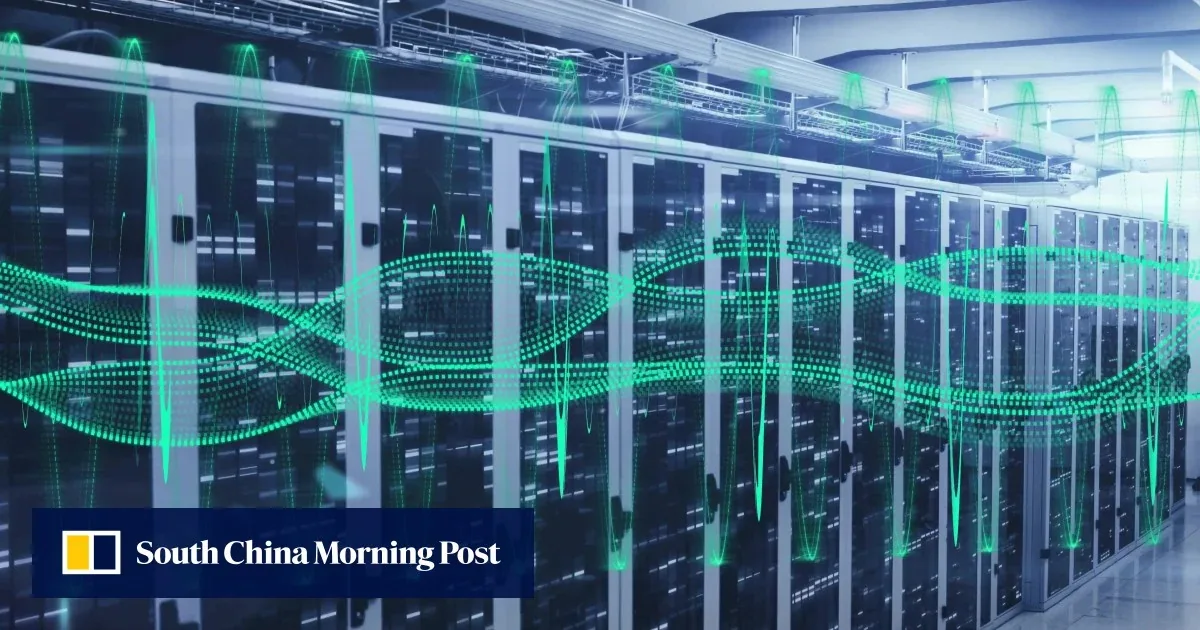
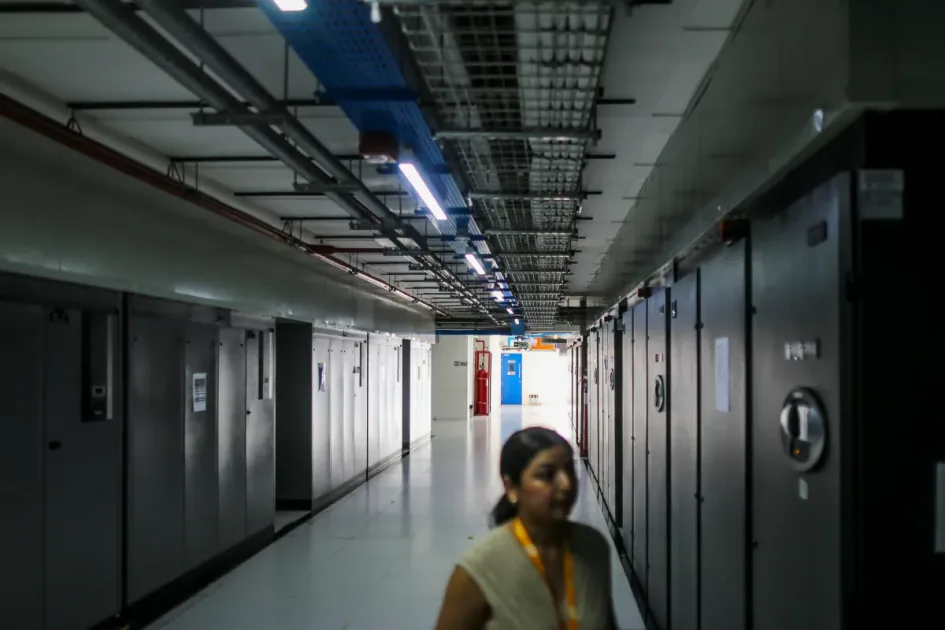
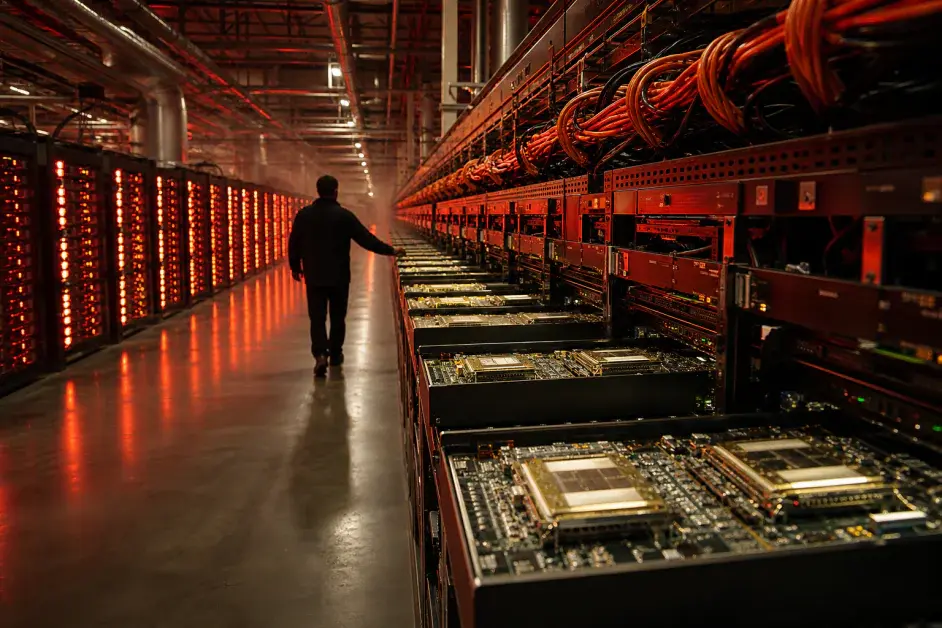
A Pew Research Centre report in April said the US has more than 3,000 operational data centres and about 1,500 more under construction or in early development.
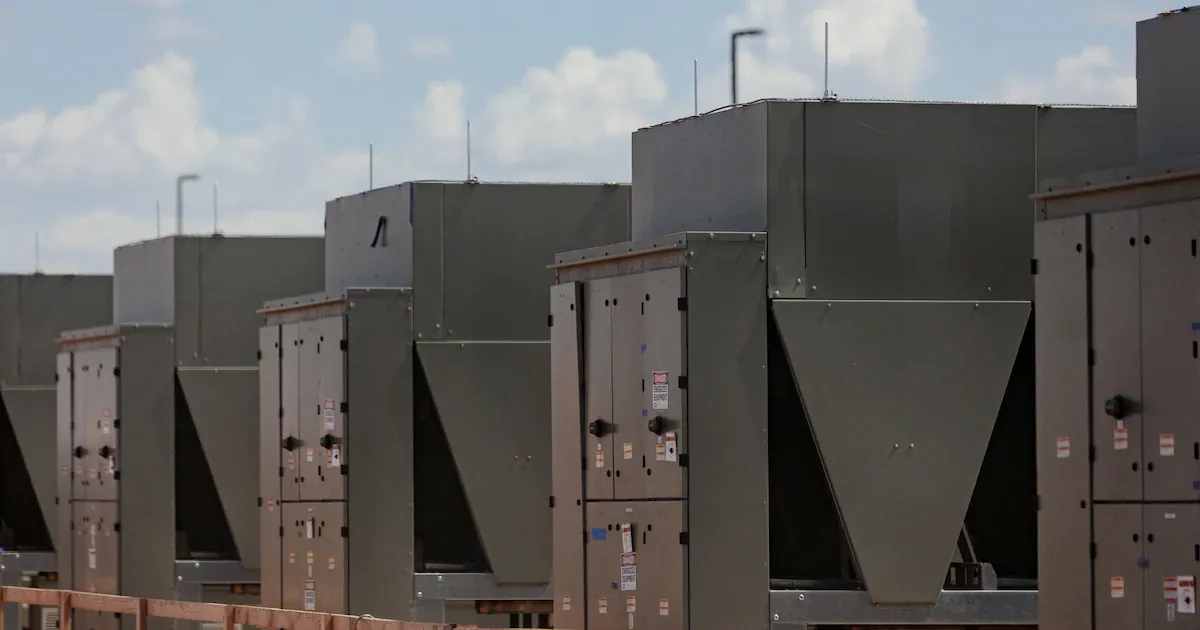
Rystad Energy puts US data-centre demand above 100 gigawatts for the 2024-2035 period, while the Stargate Project alone is expected to require 7GW of power.
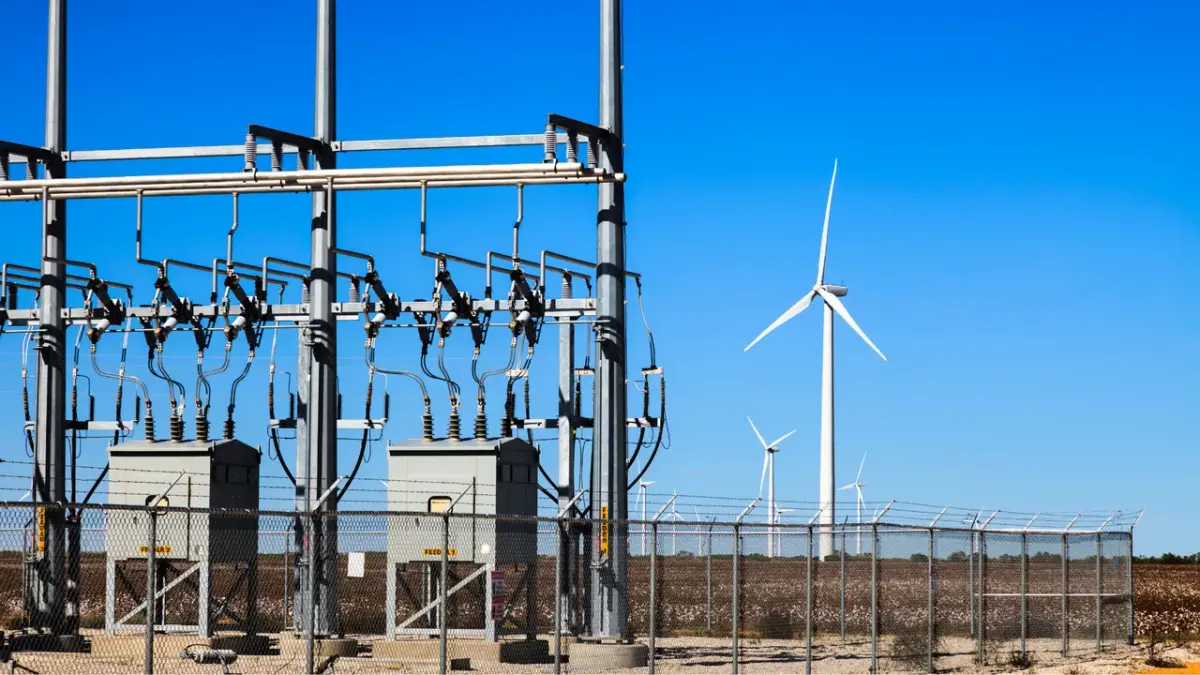
The US Energy Information Administration said in its annual energy outlook report that electricity demand had been broadly flat for 15 years before rising by an average of 2.1 per cent across the past five years, with data centres a major driver.
Jay Zagorsky of Boston University’s Questrom School of Business said higher prices are appearing in chip supplies, concrete and steel, alongside higher wages for workers building facilities.
He said those strains are lifting costs and inflation in several sectors.
The Productivity Payoff Is Still Unclear
The policy question is whether AI becomes disinflationary before its infrastructure costs feed through the economy.
Federal Reserve officials are still weighing that timing while inflation remains above their 2 per cent target.
Michael Pearce, chief US economist at Oxford Economics, said the memory-price cycle remains uncertain.
He said the Federal Reserve must judge whether the effect is temporary or a new memory-price super cycle, noting that chip cycles have historically been volatile and could reverse when supply adjusts.
San Francisco Fed President Mary Daly said AI’s impact on inflation is “not a pressing issue” for monetary policy and said recent inflation has been driven by tariff and higher energy costs, not AI.
Debt Markets Watch The Buildout
Cushman & Wakefield analysis put last year’s US corporate bond issuance by major hyperscalers and AI infrastructure borrowers at a combined $121 billion, compared with a 2020-24 average of $28 billion.
Pimco said the recent rise in longer-dated US Treasury yields mainly reflects uncertainty around the Iran war and the Federal Reserve’s expected rate path, with only 13 basis points of the roughly 51-basis-point rise linked to higher term premium.
Lotfi Karoui, multi-asset credit strategist at Pimco, wrote that debt-funded AI capital spending could influence risk premium over years, while calling the link between current AI-related debt issuance and long-dated Treasury yield moves overstated.
The practical question is whether AI infrastructure spending keeps lifting power, construction and financing costs before companies can show broad productivity gains from the same buildout.
Summary version for Medium
AI Data-Centre Spending Turns Energy Costs Into an Inflation Test
Why AI Data-Centre Spending matter now for cloud infrastructure teams
Quick Summary: AI infrastructure spending is pushing data-centre power demand, construction costs and debt issuance into the inflation debate. Pew Research Centre counted more than 3,000 operational US data centres and about 1,500 more under construction or in early development.
Power Demand Moves Into The Macro Debate
A Pew Research Centre report in April said the US has more than 3,000 operational data centres and about 1,500 more under construction or in early development. Rystad Energy puts US data-centre demand above 100 gigawatts for the 2024-2035 period, while the Stargate Project alone is expected to require 7GW of power.
The Productivity Payoff Is Still Unclear
The policy question is whether AI becomes disinflationary before its infrastructure costs feed through the economy.
- Point 1: The central topic is AI infrastructure, with the announcement framed around concrete operating detail.
- Point 2: Federal Reserve officials are still weighing that timing while inflation remains above their 2 per cent target.
AI deployments now depend on where models, data, approvals and operating teams meet.
Debt Markets Watch The Buildout
Cushman & Wakefield analysis put last year’s US corporate bond issuance by major hyperscalers and AI infrastructure borrowers at a combined $121 billion, compared with a 2020-24 average of $28 billion. Pimco said the recent rise in longer-dated US Treasury yields mainly reflects uncertainty around the Iran war and the Federal Reserve’s expected rate path, with only 13 basis points of the roughly 51-basis-point rise linked to higher term premium.
Read the Full Deep Dive
Want to explore the complete technical analysis, enterprise trade-offs, and detailed metrics?
Read the full article originally published at SendTech Times