AMD Links $10bn Taiwan Investment To AI Rack Deployments
AMD says more than $10 billion in Taiwan ecosystem investments will expand packaging partnerships and support Helios rack-scale AI systems planned for multi-gigawatt deployments beginning 2H 2026.
AMD Connects Taiwan Spending To AI Infrastructure
AMD says it will invest more than $10 billion across Taiwan's technology ecosystem, with the money aimed at partner expansion and advanced packaging capacity for next-generation AI infrastructure.
The company framed the investment around growing demand for AI compute and the need to build systems faster.
AMD said it is working with partners in Taiwan and globally on silicon, packaging and manufacturing technologies that support higher performance, greater efficiency and faster deployment of AI systems.
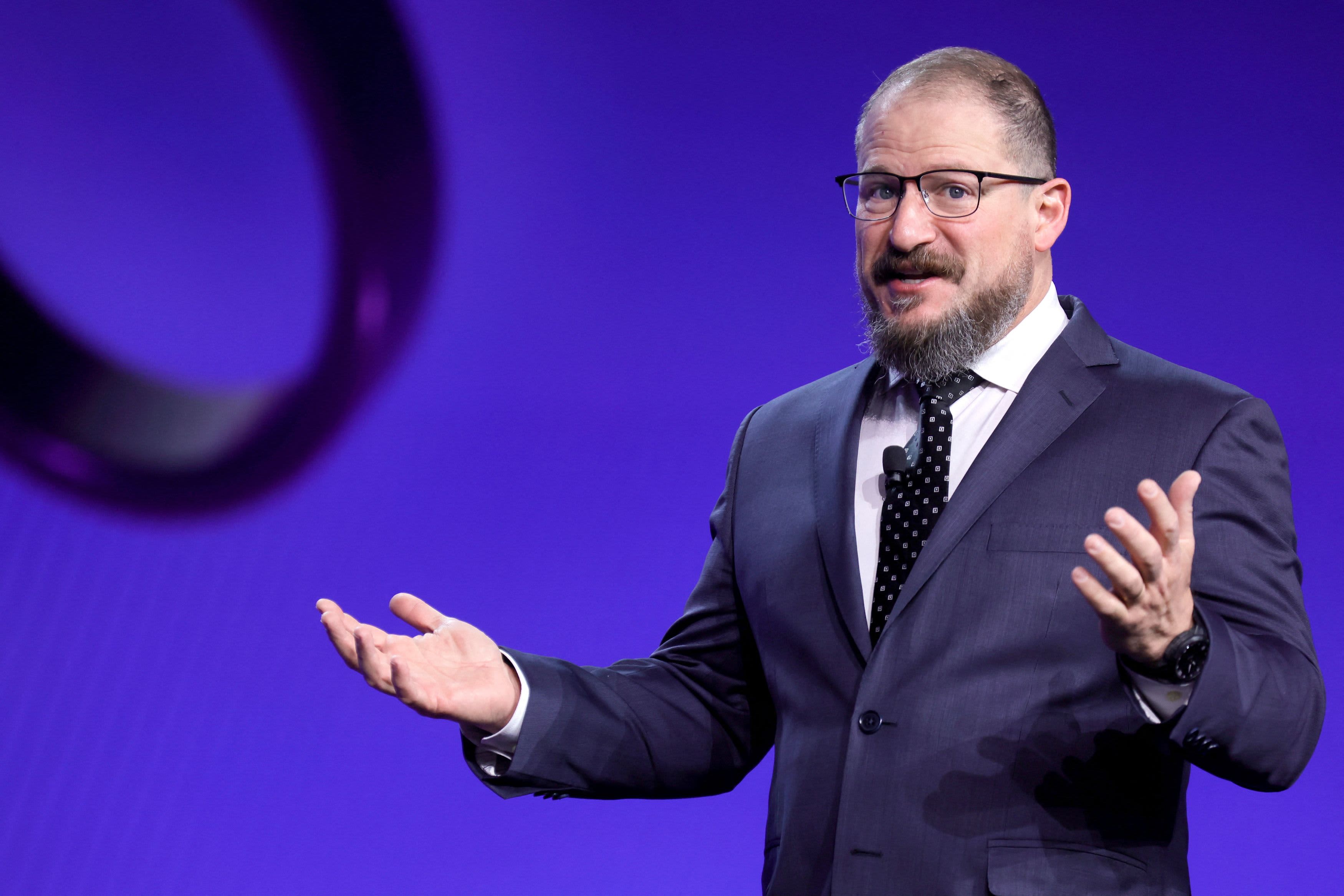
Dr. Lisa Su, AMD's chair and chief executive, said global customers are scaling AI infrastructure as adoption accelerates.
She said AMD is combining high-performance computing, the Taiwan ecosystem and strategic partners to deliver integrated rack-scale AI infrastructure.
The announcement gives Taiwan a direct role in AMD's AI infrastructure plan.
The spending is tied to packaging capacity, chiplet architectures, high-bandwidth memory integration, hybrid bonding and rack-scale system design rather than a single chip launch.
Packaging Partnerships Target Bandwidth And Efficiency
AMD said it is collaborating with Taiwan-based ASE and SPIL, along with other companies, on qualification work for next-generation wafer-based 2.5D bridge interconnect technology.
The company said the EFB architecture increases interconnect bandwidth and improves power efficiency for Venice CPUs.
AMD described Venice as its 6th Gen AMD EPYC processor family.
Advanced packaging has become a capacity issue for AI systems because accelerators, memory and CPUs need dense connections inside power-limited servers.
AMD's statement keeps the focus on manufacturing and packaging work that can support rack-scale systems, not only on processor specifications.
That puts ASE, SPIL and other Taiwan partners close to the delivery path for AMD's next AI systems.
The announcement does not describe packaging as a back-office supply step; it presents interconnect bandwidth and power efficiency as conditions for shipping larger AI infrastructure.
Helios Plans Multi-Gigawatt Deployments
AMD said its Helios rack-scale platform with Venice CPUs and AMD Instinct MI450X GPUs remains on track for multi-gigawatt deployments beginning 2H 2026.
The company also tied the investment to Taiwan ecosystem work in chiplets, high-bandwidth memory, 3D hybrid bonding and rack-scale design.
Those areas determine whether AI systems can move from component announcements into deployable infrastructure.
AMD's Taiwan plan also shows how the AI rack is becoming a manufacturing problem.
Faster processors matter, but the ability to connect processors, memory and accelerators inside efficient packages now shapes how much compute can be shipped and powered.
The Taiwan plan follows AMD's wider push to make AI infrastructure a full-stack business.
The source names processors, GPUs, packaging technology and partners, but it does not name the customers for the multi-gigawatt Helios deployments.
Customer Names Remain The Missing Deployment Detail
AMD's Taiwan commitment strengthens its manufacturing and packaging base at a time when AI infrastructure buyers are seeking larger systems and faster deployment schedules.
The investment also signals that supply-chain partnerships remain a bottleneck for AI racks, not just chip design.
For cloud operators and AI infrastructure buyers, the operating burden is delivery proof.
AMD named the investment size, Taiwan partners, packaging direction, Helios platform and 2H 2026 deployment window, but it did not disclose the first Helios customers or site locations for the multi-gigawatt deployments.