Dell AI Factory Emphasizes On-Premise AI Solutions at DTW 2026
Dell Technologies is leading the on-premise AI era with its AI Factory strategy. The focus is on integrating AI infrastructure across data centers, edge, and desktop environments. New collaborations and technologies were unveiled to support a multi-LLM environment.

Dell's On-Premise AI Strategy
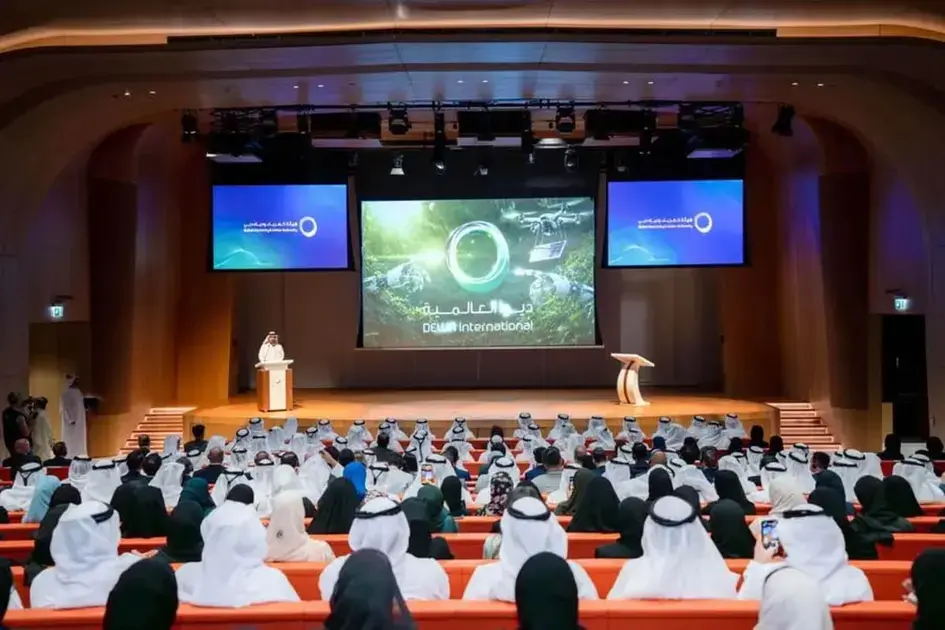
At the recent Dell Technologies World (DTW) 2026 event in Las Vegas, Barun Chhabra, Dell Technologies ISG Marketing Senior Vice President, emphasized that companies are moving beyond simply calling AI from the cloud to operating it directly within their data centers.
The 'Dell AI Factory' strategy aims to lead the on-premise AI era by integrating servers, storage, networks, and software.
Chhabra noted that the AI market is rapidly shifting from generative AI to agentic AI, which performs actual tasks and supports decision-making.
This evolution is changing the overall AI infrastructure strategy, encompassing data centers, edge, and desktops.
New Developments in AI Infrastructure
During the event, Dell unveiled its collaboration with NVIDIA on a desktop agentic AI strategy.
This initiative allows developers to create AI agents in desktop environments and extend them to data center servers using the same software framework and security policies.
The AI data platform enables integrated management of data across data centers, cloud, and edge environments, facilitating AI model training and inference.
Dell also announced support for operating models like Google Gemini, SpaceX AI Grok, and OpenAI's ChatGPT in on-premise environments.
Chhabra explained that previously, frontier models like Gemini and Grok were only accessible via the cloud, but now they can be run on Dell PowerEdge servers, ensuring that customer data remains within their own data centers.
Emphasizing System Integration
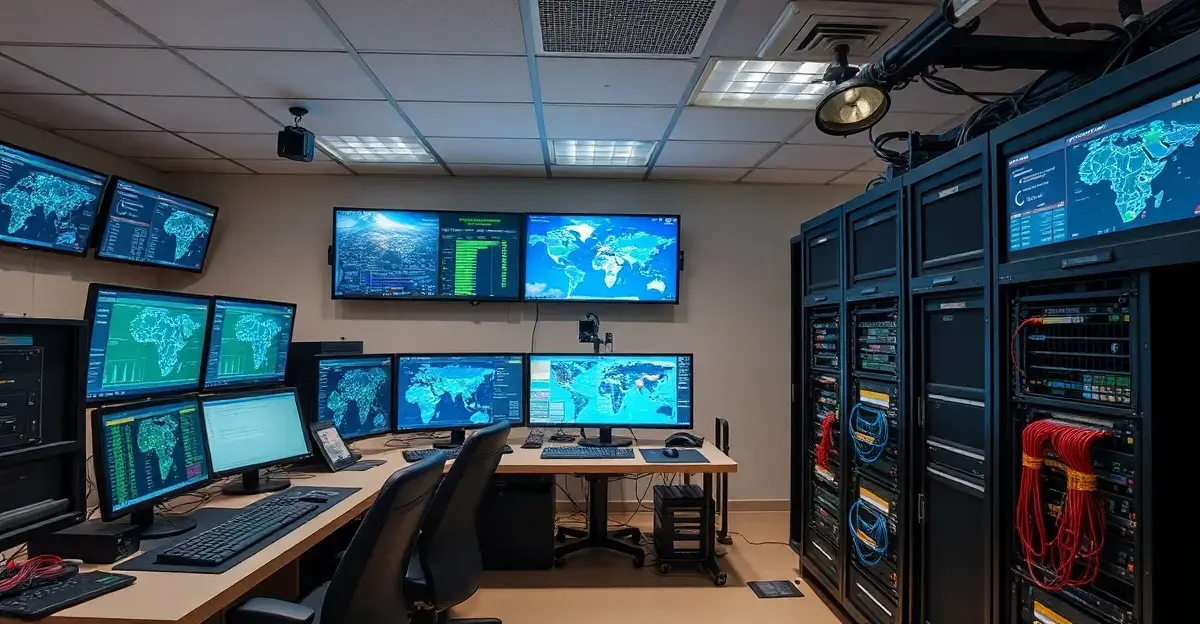
Chhabra stressed that AI infrastructure competitiveness relies more on overall system integration capabilities than just on graphics processing units (GPUs).
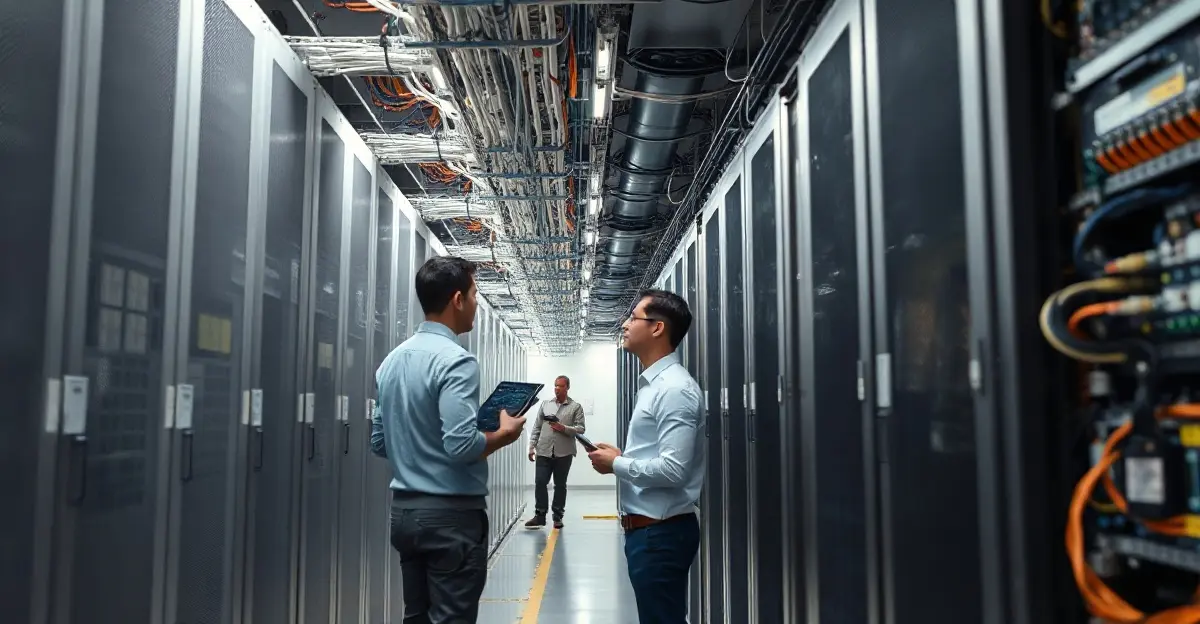
He highlighted the importance of optimizing rack design, cooling, networking, cabling, deployment speed, and software comprehensively.
At the event, Dell introduced the new PowerRack, designed to support maximum GPU density while optimizing cooling efficiency and power consumption.
The efficiency of the newly announced 18th generation PowerEdge servers was showcased, claiming that one server could replace thirteen of the previous 14th generation servers, thereby reducing power, cooling, and data center footprint costs.
Storage efficiency was also highlighted, with the new PowerStore supporting up to 6:1 data reduction efficiency, enhancing both performance and throughput.
Summary version for Medium
Dell AI Factory Emphasizes On-Premise AI Solutions at DTW 2026
Why Dell AI Factory Emphasizes matter now for cloud infrastructure teams
Quick Summary: Dell Technologies is leading the on-premise AI era with its AI Factory strategy. The focus is on integrating AI infrastructure across data centers, edge, and desktop environments.
Dell's On-Premise AI Strategy
At the recent Dell Technologies World (DTW) 2026 event in Las Vegas, Barun Chhabra, Dell Technologies ISG Marketing Senior Vice President, emphasized that companies are moving beyond simply calling AI from the cloud to operating it directly within their data centers. The 'Dell AI Factory' strategy aims to lead the on-premise AI era by integrating servers, storage, networks, and software.
New Developments in AI Infrastructure
During the event, Dell unveiled its collaboration with NVIDIA on a desktop agentic AI strategy.
- Point 1: The central topic is science-tech, with the announcement framed around concrete operating detail.
- Point 2: This initiative allows developers to create AI agents in desktop environments and extend them to data center servers using the same software framework and security policies.
The important shift is not the AI label, but the operating boundary it creates for teams.
Emphasizing System Integration
Chhabra stressed that AI infrastructure competitiveness relies more on overall system integration capabilities than just on graphics processing units (GPUs). He highlighted the importance of optimizing rack design, cooling, networking, cabling, deployment speed, and software comprehensively.
Read the Full Deep Dive
Want to explore the complete technical analysis, enterprise trade-offs, and detailed metrics?
Read the full article originally published at SendTech Times