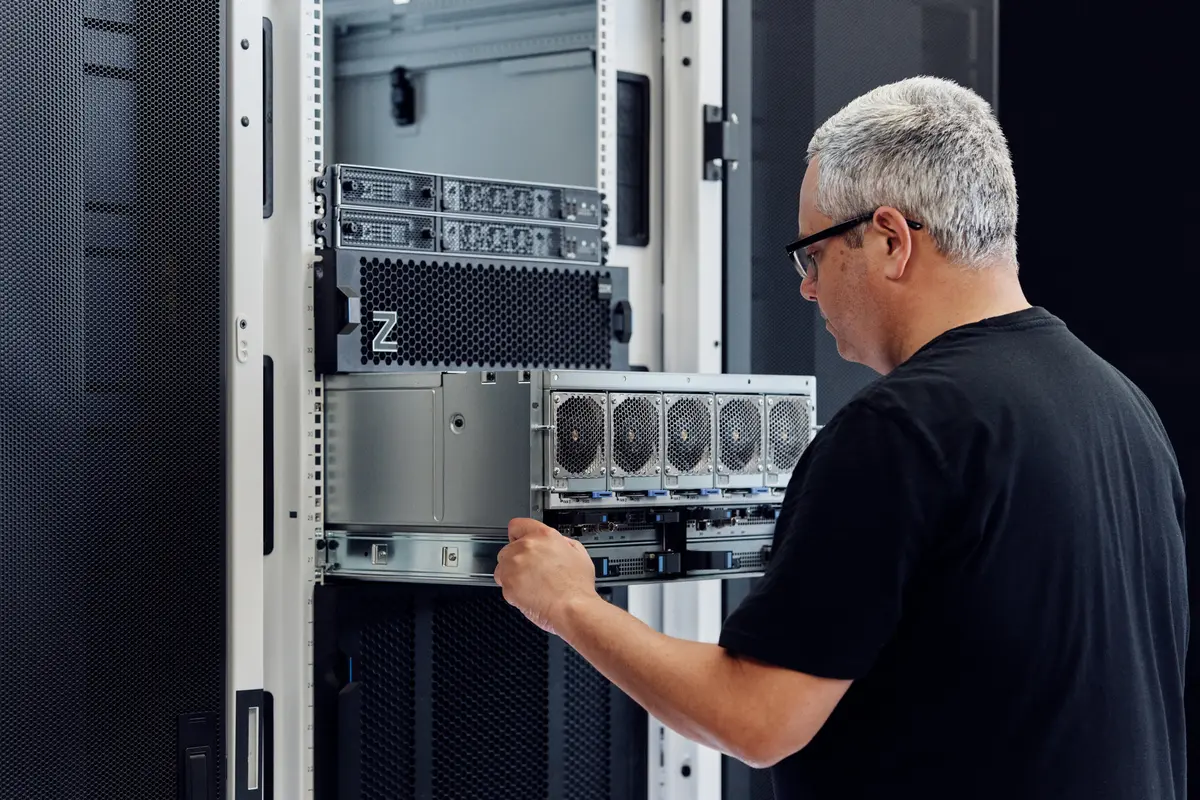
Dell Unveils AI Factory Strategy for On-Premise Solutions
Dell Technologies is pushing for on-premise AI solutions, moving beyond cloud reliance. Their new AI Factory integrates servers, storage, and networking for a seamless infrastructure. This shift emphasizes the growing importance of hybrid and private AI environments.

80% of enterprises are now looking to integrate AI within their own data centers, according to Dell Technologies.
On May 20, 2026, at the Dell Technologies World event in Las Vegas, the company highlighted its commitment to this trend through its new AI Factory strategy.
Barun Chhabra, Senior Vice President of ISG Marketing at Dell Technologies, emphasized that businesses are evolving from merely using AI in the cloud to directly operating it on-premise.
This represents a significant shift in how companies approach AI infrastructure.
As AI capabilities expand, Chhabra noted that the market is transitioning from generative AI to agentic AI.
This new focus allows AI to perform tasks and support decision-making, fundamentally changing the infrastructure strategies that encompass data centers, edge computing, and desktops.
The Rise of Agentic AI
Agentic AI is reshaping the landscape of enterprise infrastructure.
Chhabra explained that this technology is not limited to data centers but extends to edge and desktop environments.
Dell's newly announced strategies, including desk-side agentic AI and an AI data platform, aim to support this shift.
The collaboration with NVIDIA to develop a desk-side agentic AI strategy allows developers to create AI agents in desktop environments.
This framework can then be expanded to data center servers, ensuring a consistent software and security policy across platforms.
Integrating Data Across Environments
Dell's AI data platform is designed to unify data management across data centers, cloud, and edge environments.
This integration facilitates AI model training and inference, making it easier for businesses to leverage their data effectively.
Chhabra also mentioned that the AI Factory supports the operation of various large language models (LLMs) on-premise, including Google Gemini and OpenAI's ChatGPT.
This capability allows enterprises to keep their data secure within their own data centers rather than relying on external cloud services.
Optimizing Infrastructure for AI
The integration of GPU technology is crucial for AI infrastructure.
Chhabra pointed out that the overall system integration capabilities, including rack design, cooling, and networking, are more important than just the GPUs themselves.
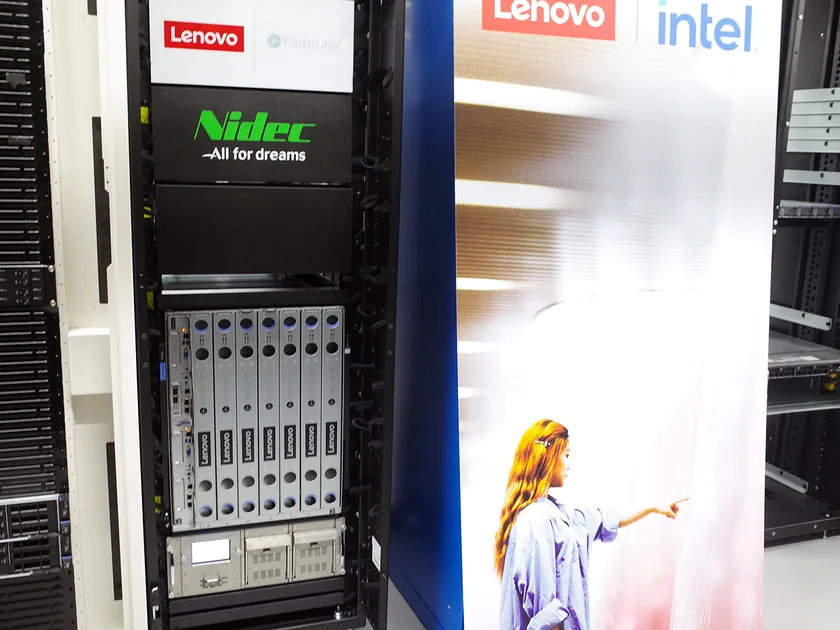
Dell introduced the new PowerRack, which is optimized for maximum GPU density.
This innovation enhances cooling efficiency and power consumption, allowing for more GPUs to be housed in a single rack, thereby increasing processing capabilities.
Economic Benefits of On-Premise AI
Chhabra forecasted that the rise of agentic AI will lead to a shift in public cloud-centric AI strategies.
He noted that agentic AI generates significant token usage, which can lead to cost burdens for businesses using public cloud services.
On-premise AI can act as a 'token generator,' potentially offering a more economical solution compared to public cloud options.
However, Chhabra clarified that the future will not be about choosing one over the other; hybrid strategies will likely become the norm, with core workloads running on-premise and public cloud services used for peak demands.
Next Steps in AI Infrastructure
Dell's commitment to supporting businesses in developing optimal AI operational strategies is evident.
With over 5,000 AI Factory customer implementations, Dell is positioned to leverage its experience and insights to guide enterprises through the evolving AI landscape.
This shift towards on-premise AI solutions could mean enhanced data security and cost savings, crucial in regions where data sovereignty is increasingly prioritized.
Keeping an eye on Dell's developments will be essential as they shape the future of AI infrastructure.
Summary version for Medium
Dell Unveils AI Factory Strategy for On-Premise Solutions
Why Dell Unveils AI Factory matter now for cloud infrastructure teams
Quick Summary: Dell Technologies is pushing for on-premise AI solutions, moving beyond cloud reliance. Their new AI Factory integrates servers, storage, and networking for a seamless infrastructure.
The Rise of Agentic AI
Agentic AI is reshaping the landscape of enterprise infrastructure. Chhabra explained that this technology is not limited to data centers but extends to edge and desktop environments.
Integrating Data Across Environments
Dell's AI data platform is designed to unify data management across data centers, cloud, and edge environments.
- Point 1: The central topic is AI, with the announcement framed around concrete operating detail.
- Point 2: This integration facilitates AI model training and inference, making it easier for businesses to leverage their data effectively.
The important shift is not the AI label, but the operating boundary it creates for teams.
Optimizing Infrastructure for AI
The integration of GPU technology is crucial for AI infrastructure. Chhabra pointed out that the overall system integration capabilities, including rack design, cooling, and networking, are more important than just the GPUs themselves.
Read the Full Deep Dive
Want to explore the complete technical analysis, enterprise trade-offs, and detailed metrics?
Read the full article originally published at SendTech Times