Nvidia Says Smuggled AI Data Centers Are A Dead End
Jensen Huang told Nvidia shareholders that national security comes first and said export-restricted AI data centers built from smuggled parts would lack the support needed to operate.
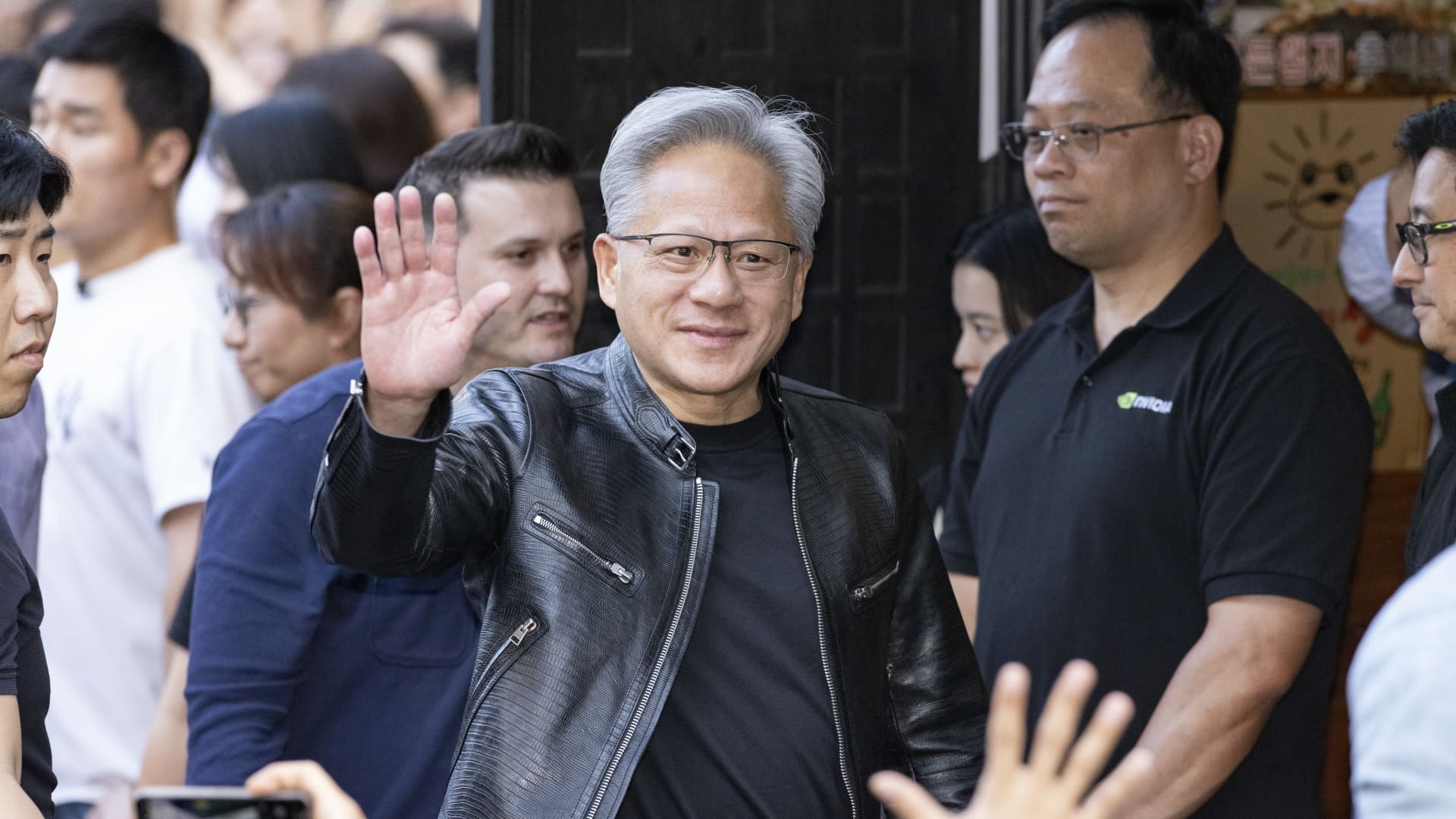
Huang Links Chip Controls To Data Center Support
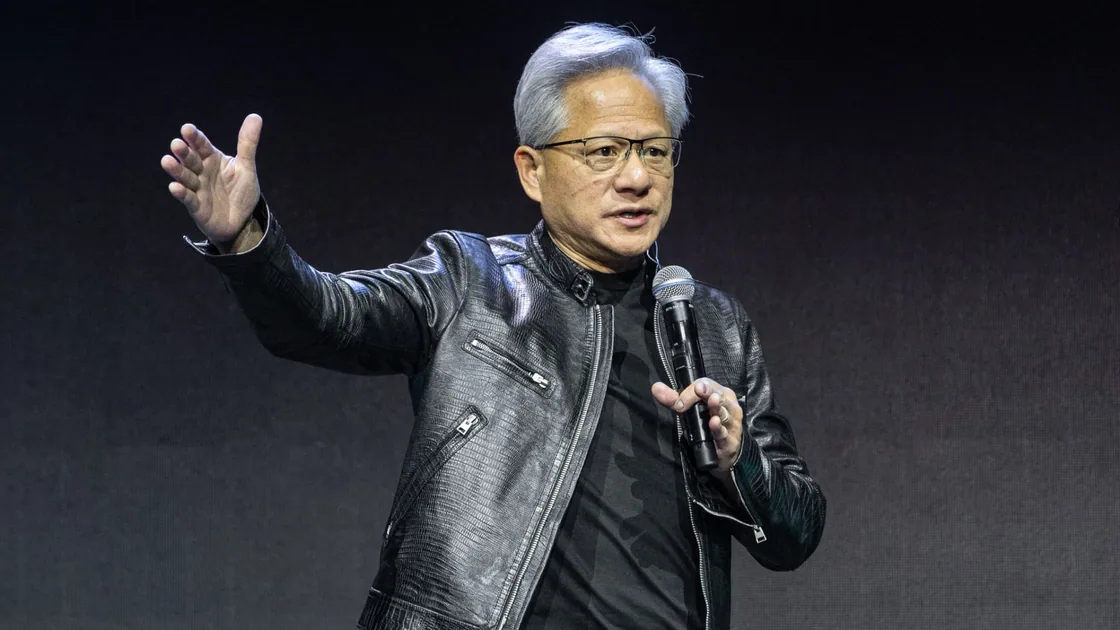
Nvidia chief executive Jensen Huang told shareholders that national security would come before commercial opportunity, sharpening the company’s public position as U.S. officials scrutinize AI hardware and software exports to China and other restricted markets.
Huang said companies that try to move Nvidia chips or systems into restricted countries would face a practical operating problem.
Advanced AI data centers need trusted hardware, software, networking and continuing support, he said, and Nvidia would not provide support or repairs for smuggled systems.
The statement turns export control from a chip-shipment issue into a data center operations issue.
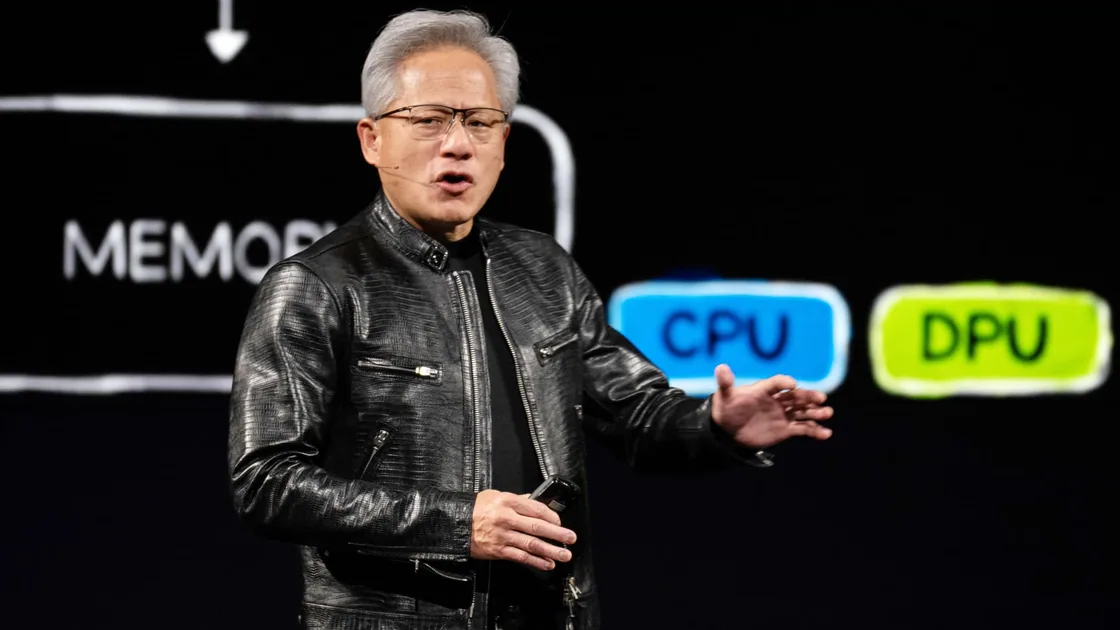
Huang’s argument is that a restricted AI cluster is not only a collection of accelerators; it is an integrated system that depends on vendor software, networking and maintenance after installation.
That support boundary gives Nvidia a practical enforcement point even when hardware moves outside approved channels.
China Revenue Still Depends On Licences
The comments came after Washington regulators and the Trump administration increased scrutiny of AI exports as a national security issue.
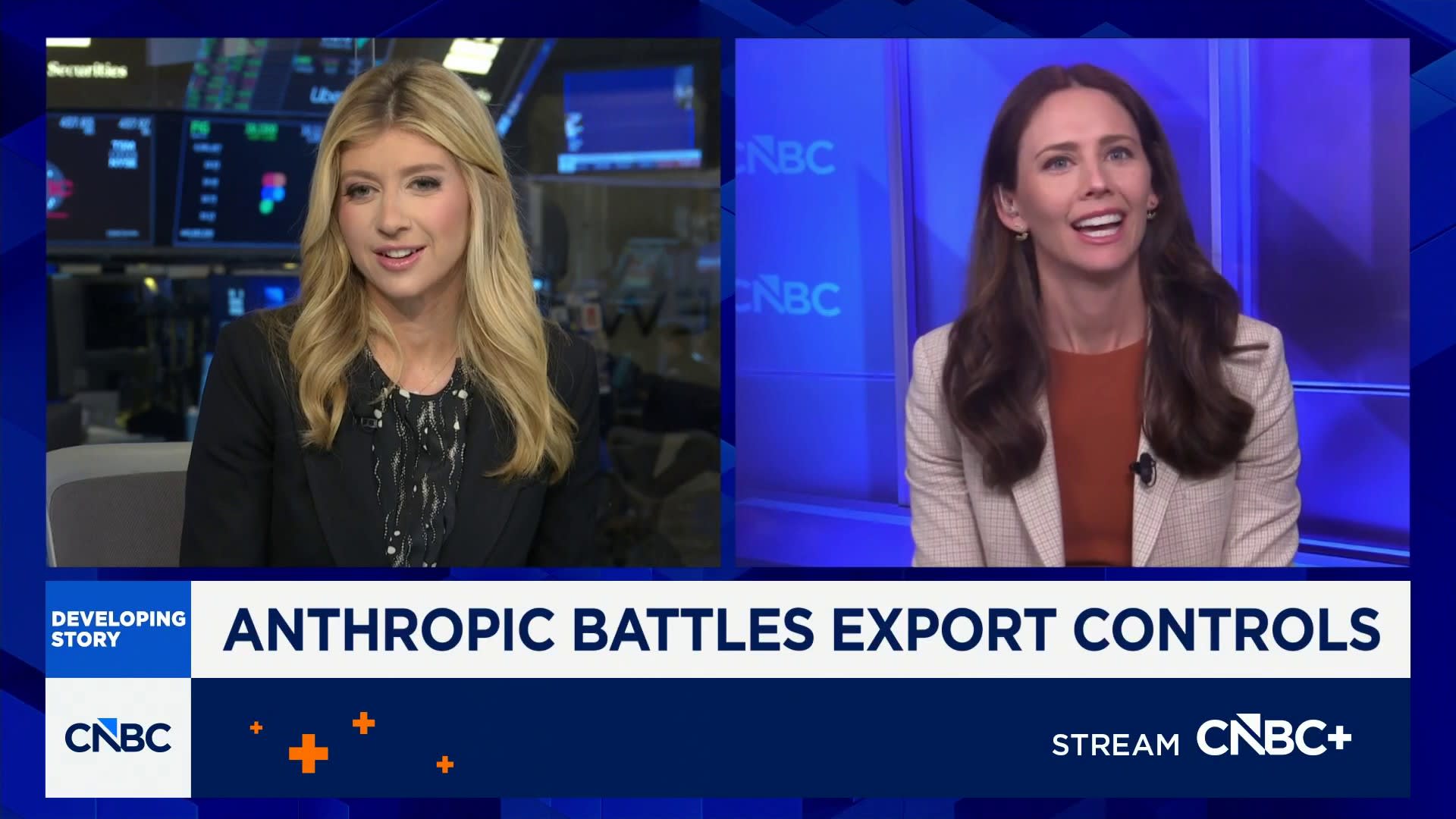
The same source notes that Anthropic shut down Fable 5 and Mythos 5 earlier this month after a U.S. government order disabled access to its most advanced models.
Nvidia chips have been under export controls since 2022, which pushed the company to create China-specific products designed to meet U.S. government benchmarks.
Last year, the U.S. cleared Nvidia’s H200 chip for export to the region, but Huang said Nvidia has not generated revenue from those chips and does not know whether China will allow imports.
China, including Hong Kong, accounted for about 9% of Nvidia’s fiscal 2026 revenue.
CNBC described that share as smaller than in 2025 and 2024, showing how policy restrictions are already changing the company’s geographic revenue mix.
Shareholders Approve The Board
Huang also used the annual meeting to defend the economics of AI infrastructure.
He told stockholders that the question of AI return on investment had been answered, arguing that useful AI output such as code generation makes token production profitable and increases demand for computing power.
He pointed to GitHub pull requests nearly tripling this year because of AI.
The company also told investors that Nvidia systems generate the lowest-cost tokens, the highest token throughput and the most revenue, while acknowledging that its systems may not be the cheapest to purchase.
Nvidia said its capital plan will send 50% of free cash flow back to investors through buybacks and dividends over the next few years, after the company generated more than $96 billion in free cash flow in fiscal 2026.
That investor-return plan sits beside the export-control problem: Nvidia can defend AI infrastructure demand while still depending on government licences and import approval for some China-linked sales.
Shareholders approved the executive compensation plan, re-elected all 10 board members and passed one outside proposal to change company bylaws so shareholder votes could win with a simple majority.
Nvidia still has no revenue from the newly cleared H200 exports to China, leaving the near-term evidence at licence approval rather than confirmed shipments.