iFlytek Pushes AI Glasses as a Productivity Device With GlassClaw Agent
iFlytek introduced lightweight AI smart glasses at BEYOND Expo 2026 in Macau as an always-available assistant rather than a phone accessory. The device combines 122-language translation, multimodal noise reduction, meeting tools and the GlassClaw agent for workflow tasks. Presales begin on June 15 at 4,299 yuan, testing whether AI wearables can become regular work devices.
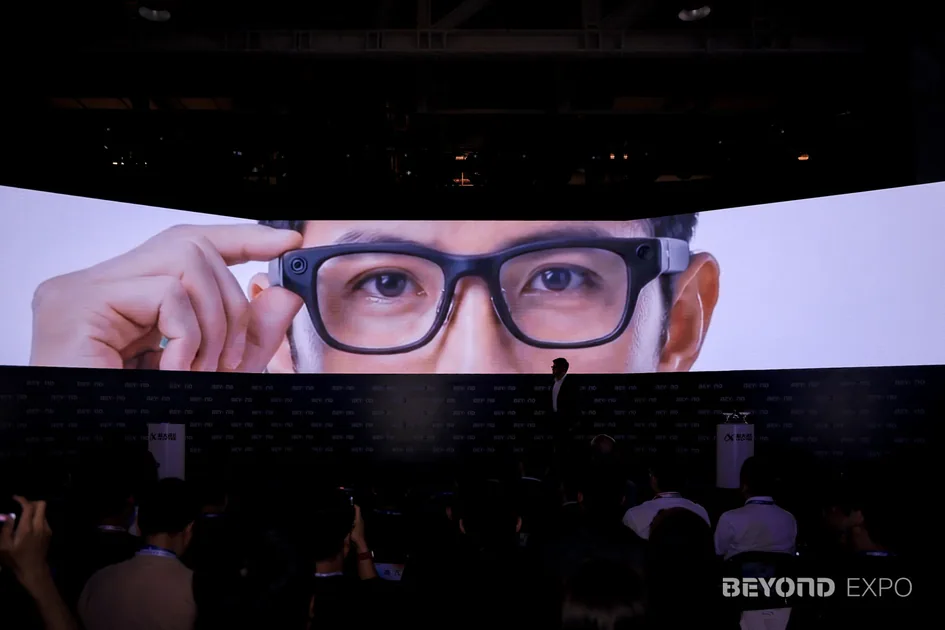
iFlytek frames glasses as an AI work device
iFlytek introduced new AI smart glasses at BEYOND Expo 2026 in Macau, arguing that the category is moving from experimental hardware toward practical daily assistance.
The company said earlier smart-glasses efforts often copied phone functions or offered narrow accessories.
Its new pitch is that glasses can act as a more natural interface for multimodal AI because they remain in front of the user while seeing and hearing the surrounding context.
Translation, listening and agent workflows
The product focuses on translation, interaction, office productivity and comfort. iFlytek says the glasses support real-time translation across 122 languages, accents and dialects, including face-to-face conversations, phone calls, online meetings and AR visual translation for text such as menus, signs and slides.
A multimodal noise-reduction system combines microphones, cameras and bone-conduction technology to identify the speaker the wearer is looking at, a feature aimed at crowded venues such as exhibitions, airports and high-speed rail stations.
The device also includes GlassClaw, an AI agent for meeting transcription, information organization, email and multi-step workflow tasks.
In the launch demonstration, voice commands were used to prepare partnership materials, arrange travel plans and send emails without relying on a phone or computer.
An intelligent teleprompter can scroll content according to the speaker's pace for presentations and interviews.
Hardware and market test
iFlytek said the glasses use a magnesium-aluminum alloy frame, resin waveguide display technology and a customized micro-optical module.
The total weight is about 40 grams, roughly 20% lighter than comparable products, with up to eight hours of battery life and a 1.7-meter drop-test claim.
The company also said it adjusted ergonomics for Asian facial structures.
The glasses are priced at 4,299 yuan, or about $635, with presales scheduled for June 15.
The launch matters because Chinese AI firms are looking for hardware entry points beyond chat apps.
The commercial question is whether translation, meeting support and agent automation are useful enough to make smart glasses a regular productivity device rather than a niche gadget.
Summary version for Medium
iFlytek Pushes AI Glasses as a Productivity Device With GlassClaw Agent
What the announcement means beyond the headline
Quick Summary: iFlytek introduced lightweight AI smart glasses at BEYOND Expo 2026 in Macau as an always-available assistant rather than a phone accessory. The device combines 122-language translation, multimodal noise reduction, meeting tools and the GlassClaw agent for workflow tasks.
iFlytek frames glasses as an AI work device
iFlytek introduced new AI smart glasses at BEYOND Expo 2026 in Macau, arguing that the category is moving from experimental hardware toward practical daily assistance. The company said earlier smart-glasses efforts often copied phone functions or offered narrow accessories.
Translation, listening and agent workflows
The product focuses on translation, interaction, office productivity and comfort.
- Point 1: The central topic is devices consumer tech, with the announcement framed around concrete operating detail.
- Point 2: iFlytek says the glasses support real-time translation across 122 languages, accents and dialects, including face-to-face conversations, phone calls, online meetings and AR...
The important shift is not the AI label, but the operating boundary it creates for teams.
Hardware and market test
iFlytek said the glasses use a magnesium-aluminum alloy frame, resin waveguide display technology and a customized micro-optical module. The total weight is about 40 grams, roughly 20% lighter than comparable products, with up to eight hours of battery life and a 1.7-meter drop-test claim.
Read the Full Deep Dive
Want to explore the complete technical analysis, enterprise trade-offs, and detailed metrics?
Read the full article originally published at SendTech Times