Rio Tinto documents 30-year-old manufacturing system using AI
Rio Tinto has developed an AI domain assistant to document its 30-year-old manufacturing execution system, Metpro. The assistant aims to consolidate fragmented technical documentation and clarify system dependencies. This initiative seeks to enhance operational efficiency in the company's aluminium operations.
AI Domain Assistant for Metpro
Rio Tinto has built an AI domain assistant for its aluminium operations in Australia and New Zealand.
This assistant documents the knowledge, dependencies, and decision logic used by Metpro, a critical manufacturing execution system (MES) that has been in place for 30 years.
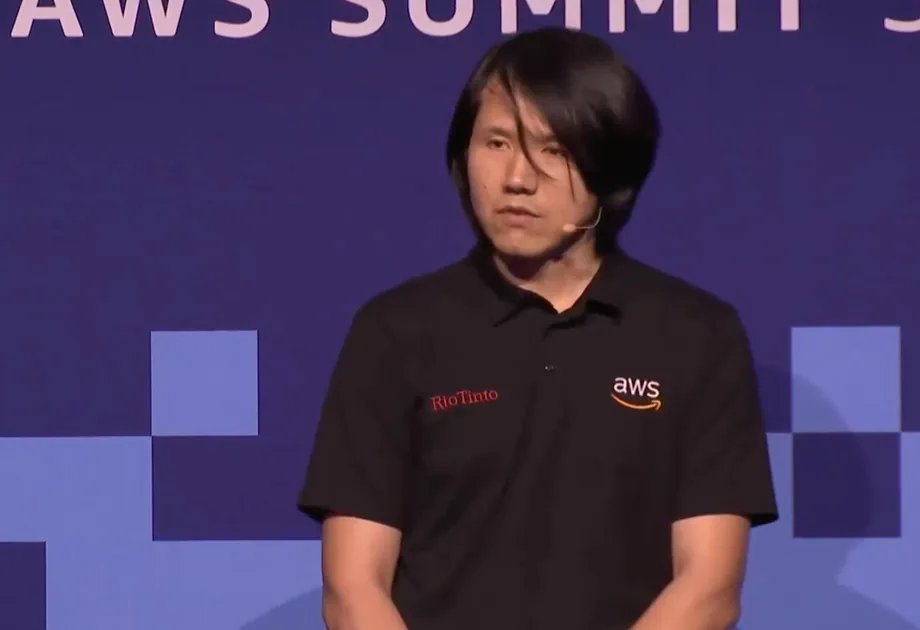
Data science senior advisor Ke Shi shared insights at the AWS Summit Sydney, explaining that the assistant is unlocking "accumulated knowledge and complexity" embedded in Metpro.
The Role of Metpro
Metpro manages the aluminium product lifecycle from tapping to shipments, serving as a central hub that connects the process control system, data capture platform, and operational infrastructure.
Over the years, the technical documentation associated with Metpro has become fragmented, spread across thousands of documents.
Shi noted that the system's highly coupled nature has led to undocumented dependencies, creating challenges for engineers.
He stated, "That means even a small change like a UI configuration can have very unexpected downstream impact."
Addressing Documentation Challenges
These documentation issues have resulted in slow onboarding processes for new engineers, difficulties in finding the right expertise, and high risks when making changes.
Instead of attempting to rewrite or replace Metpro, which is deeply integrated into the daily operations of Rio Tinto Aluminium Pacific Operations, the company sought to retain and operationalise decades of embedded knowledge.
Shi emphasized the need to preserve how the system functions, including its dependencies and decision logic, and to make this information accessible to engineers without altering the underlying platform.
Goals of the Initiative
The primary goal of this initiative is to consolidate fragmented technical documentation into a coherent, rich, and usable format.
By doing so, Rio Tinto aims to enhance operational efficiency and mitigate risks associated with changes to the system.
Summary version for Medium
Rio Tinto documents 30-year-old manufacturing system using AI
What the announcement means beyond the headline
Quick Summary: Rio Tinto has developed an AI domain assistant to document its 30-year-old manufacturing execution system, Metpro. The assistant aims to consolidate fragmented technical documentation and clarify system dependencies.
AI Domain Assistant for Metpro
Rio Tinto has built an AI domain assistant for its aluminium operations in Australia and New Zealand. This assistant documents the knowledge, dependencies, and decision logic used by Metpro, a critical manufacturing execution system (MES) that has been in place for 30 years.
The Role of Metpro
Metpro manages the aluminium product lifecycle from tapping to shipments, serving as a central hub that connects the process control system, data capture platform, and operational infrastructure.
- Point 1: The central topic is science-tech, with the announcement framed around concrete operating detail.
- Point 2: Over the years, the technical documentation associated with Metpro has become fragmented, spread across thousands of documents.
The important shift is not the AI label, but the operating boundary it creates for teams.
Addressing Documentation Challenges
These documentation issues have resulted in slow onboarding processes for new engineers, difficulties in finding the right expertise, and high risks when making changes. Instead of attempting to rewrite or replace Metpro, which is deeply integrated into the daily operations of Rio Tinto Aluminium Pacific Operations, the company sought to retain and operationalise decades of embedded knowledge.
Read the Full Deep Dive
Want to explore the complete technical analysis, enterprise trade-offs, and detailed metrics?
Read the full article originally published at SendTech Times