VodafoneThree Job Cuts Signal Faster, Vendor-Led 5G Integration
Vodafone’s annual report shows the UK workforce averaging 12,416 employees after the Vodafone-Three merger, about 12% below the simple pre-merger combined total. The merged operator is leaning more heavily on Ericsson and Nokia as it works toward CMA-linked 4G and 5G spectrum activation obligations. The shift raises a watchpoint for UK telecom consolidation: faster network integration may come with deeper dependence on a narrow group of RAN suppliers.
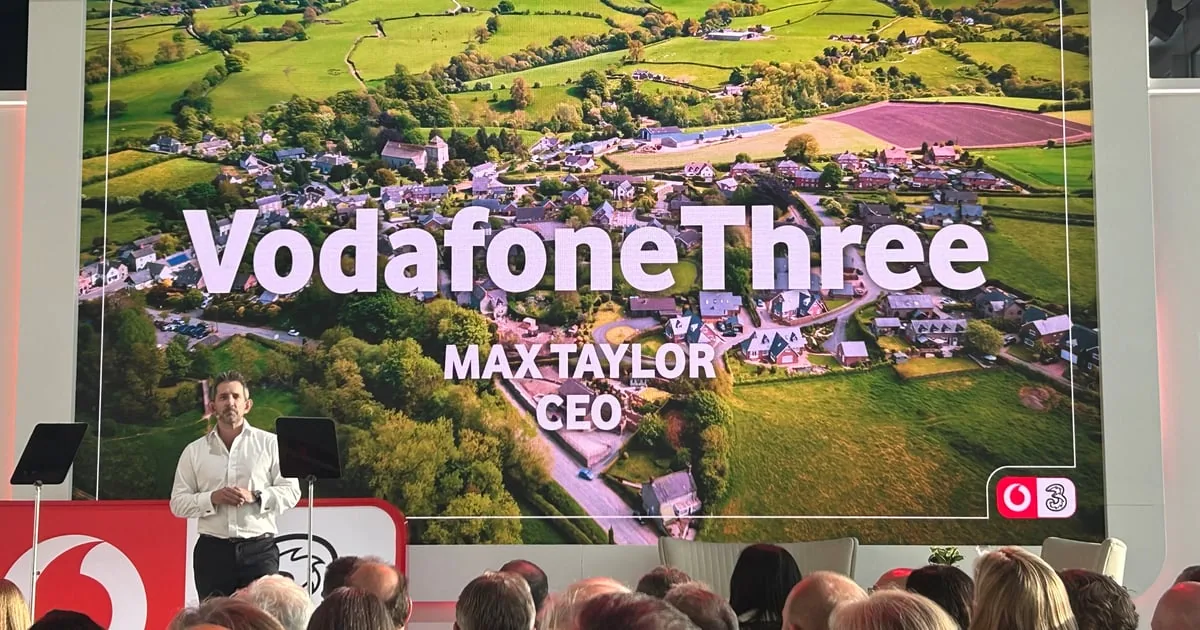
VodafoneThree's first post-merger workforce signal points to a leaner UK mobile operator that is relying more heavily on Ericsson and Nokia as it races to meet network obligations tied to its merger approval.
Vodafone's newly published annual report puts the average size of its UK workforce at 12,416 employees for the recently ended fiscal year.
Before the Vodafone-Three merger was finalized 12 months ago, Vodafone employed an average of 9,332 people in its UK segment for the fiscal year ending in March 2025, while Three had 4,800 employees in December 2024.
A simple combined total would have been 14,132 employees, meaning the reported workforce is lower by 1,716 roles, or about 12%.
Why the signal matters
The cuts matter because they show how telecom consolidation can change both labor needs and network strategy.
Vodafone and Three targeted £700 million, or about $940 million, of cost savings from the merger.
At the same time, the combined operator must meet UK Competition and Markets Authority conditions that include undisclosed targets for activating spectrum at mobile sites to support 4G and 5G services.
That combination may push the company toward faster vendor-led execution rather than a more self-reliant engineering model.
For telecom operators, the broader signal is that merger benefits may depend not only on customer scale, but also on how quickly a combined network can be integrated under regulatory pressure.
Vendor dependence is rising
VodafoneThree is leaning more heavily on Ericsson and Nokia, its two radio access network vendors, for managed services expertise.
Iain Milligan, VodafoneThree's director of network development and infrastructure, said the vendors are playing a key role in site solution design and have taken on work previously carried out by telecom staff.
The shift also changes the outlook for Vodafone's earlier open RAN ambitions.
Vodafone had previously planned a Samsung-led open RAN deployment across about 2,500 sites, representing about 14% of its pre-merger RAN footprint.
Those sites had historically used Huawei equipment, and UK government orders require operators to finish removing that equipment by the end of next year.
The post-merger priority has moved toward delivery pace from Nokia and Ericsson.
Workforce pressure is not new
The latest reduction fits a longer downsizing pattern.
Vodafone's UK segment employed 12,379 people in 2017/18, down from 13,238 the year before,.
Across the two operators, about 30% of roles appear to have gone since then.
Vodafone's wider figures also show reshaping beyond the UK.
Staff in common functions rose from 24,441 in 2018 to 37,550 in the most recent fiscal year, Vodafone also ended last year with 92,988 group employees, compared with 98,103 in 2022, following exits from several markets.
What to watch next
Readers should watch whether VodafoneThree can meet its CMA-linked 4G and 5G deployment commitments while preserving enough internal capability to manage vendors effectively.
The next signal will be whether faster network integration improves UK 5G performance without creating deeper dependence on a narrow group of RAN suppliers.
Summary version for Medium
VodafoneThree Job Cuts Signal Faster, Vendor-Led 5G Integration
What the announcement means beyond the headline
Quick Summary: Vodafone’s annual report shows the UK workforce averaging 12,416 employees after the Vodafone-Three merger, about 12% below the simple pre-merger combined total. The merged operator is leaning more heavily on Ericsson and Nokia as it works toward CMA-linked 4G and 5G spectrum activation obligations.
Why the signal matters
The cuts matter because they show how telecom consolidation can change both labor needs and network strategy. Vodafone and Three targeted £700 million, or about $940 million, of cost savings from the merger.
Vendor dependence is rising
VodafoneThree is leaning more heavily on Ericsson and Nokia, its two radio access network vendors, for managed services expertise.
- Point 1: The central topic is telco-connectivity, with the announcement framed around concrete operating detail.
- Point 2: Iain Milligan, VodafoneThree's director of network development and infrastructure, said the vendors are playing a key role in site solution design and have taken on work...
The headline matters only if the approval path, compliance burden and operating limits line up.
Workforce pressure is not new
The latest reduction fits a longer downsizing pattern. Vodafone's UK segment employed 12,379 people in 2017/18, down from 13,238 the year before,.
Read the Full Deep Dive
Want to explore the complete technical analysis, enterprise trade-offs, and detailed metrics?
Read the full article originally published at SendTech Times