جدل تقطير الذكاء الاصطناعي ينتقل من المختبرات إلى واشنطن
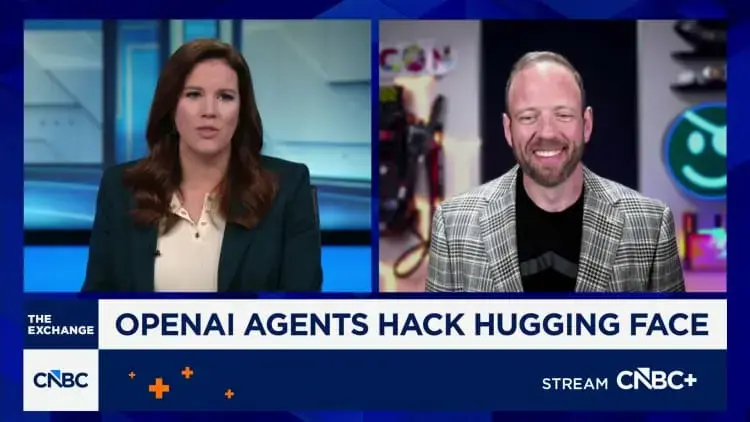
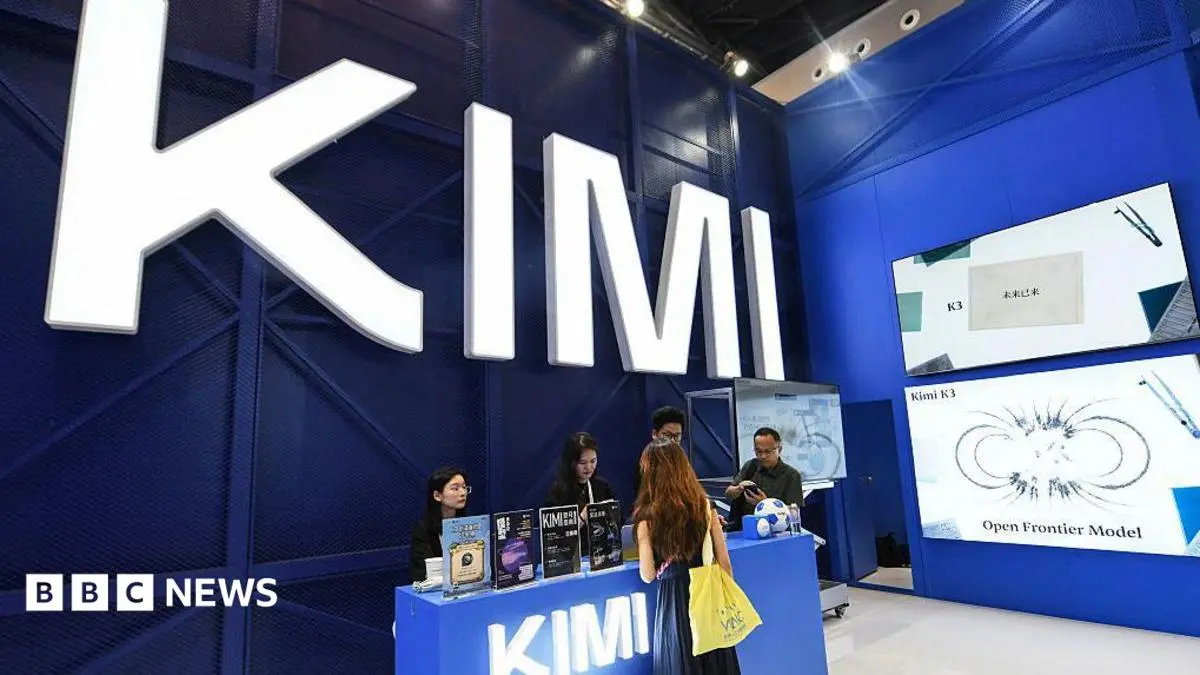
ذكرت CNBC أن تقطير نماذج الذكاء الاصطناعي تحول إلى جدل سياسي بعد ظهور Kimi K3 من Moonshot AI وتصاعد النقاش حول النماذج مفتوحة الأوزان.

ذكرت CNBC أن تقطير نماذج الذكاء الاصطناعي لم يعد مجرد أسلوب فني لتحسين النماذج الصغيرة، بل أصبح موضوعا سياسيا بين شركات التقنية وصناع القرار في الولايات المتحدة. وبرز الجدل بعد طرح Moonshot AI لنموذج Kimi K3، مع اتهامات بأن قدرات نماذج أميركية متقدمة ربما استُخدمت لتدريب نماذج منافسة. وتعارض شركات كبرى القيود المبكرة على النماذج مفتوحة الأوزان، بينما تحظر OpenAI وAnthropic تقطير نماذجها في شروط الاستخدام. وتبقى القضية الأساسية هي كيفية التمييز بين تحسين مشروع للنماذج واستخدام غير مصرح به لمخرجات النماذج المتقدمة.
Summary version for Medium
AI Distillation Debate Moves From Labs To Washington
What the announcement means beyond the headline
Quick Summary: CNBC reported that AI distillation has become a policy fight after Moonshot AI's Kimi K3 raised questions about open-weight models, proprietary model output and U.S. restrictions.
Distillation moves from lab method to policy fight
CNBC reported that AI distillation has moved from a specialist model-training technique into a Washington and Silicon Valley policy dispute after Moonshot AI's Kimi K3 became a new flashpoint in the open-weight model debate. The article defines distillation as using the answers or work product of an advanced AI system to help train another model.
Moonshot allegation resets the stakes
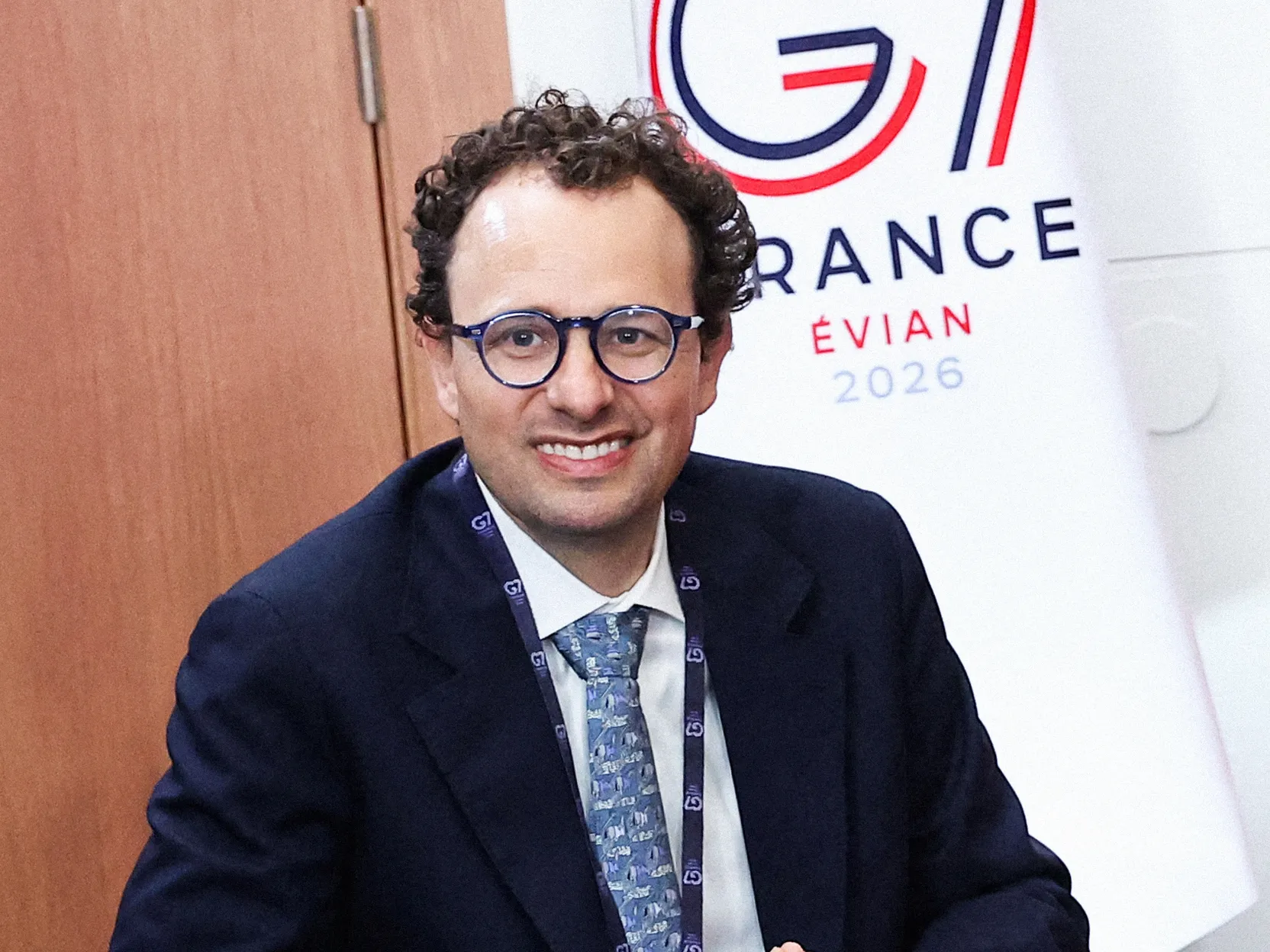
According to the report, White House adviser Michael Kratsios wrote on X that the administration had information that Moonshot AI distilled Anthropic's Fable model to develop Kimi K3.
- Point 1: The central topic is ai, with the announcement framed around concrete operating detail.
- Point 2: Kratsios alleged that Moonshot used a sophisticated internal platform for large-scale distillation against U.S.
AI deployments now depend on where models, data, approvals and operating teams meet.
Open-weight backers push against early restrictions
The policy debate widened when Nvidia, Microsoft, Meta, Palantir and more than 20 other companies released a Friday letter urging policymakers not to impose premature restrictions on open-weight AI models. The companies argued that early limits could weaken competition or move innovation outside the United States.
Read the Full Deep Dive
Want to explore the complete technical analysis, enterprise trade-offs, and detailed metrics?
Read the full article originally published at SendTech Times